Have a Backyard but Don’t Know What to Do With It? Start With a Landscape Design
Got a backyard but not sure what to do with it? You're not alone. An empty backyard can feel like a missed opportunity. It might seem too plain, too sloped, too shaded, or just too confusing to imagine as more than grass and a fence. But don’t worry, you don’t need to have everything figured out right away. Starting with a thoughtful landscape design gives you a clear roadmap for turning that unused space into something practical, beautiful, and tailored to your lifestyle.
For many, the hardest part isn’t wanting more from your yard, but knowing where to begin. A solid design process helps you define the purpose of the space, avoid costly mistakes, and prioritize upgrades in the right order. Whether you dream of hosting family gatherings, finding a quiet spot to relax, creating a better flow from the curb, or boosting resale value, the right design can make every square foot work harder for you. If you're considering a bigger transformation, services like landscape construction and hardscape construction can bring that plan to life with lasting structure and function.
Design is also where strategy matters. Outdoor projects can go wrong if you jump straight into features without considering drainage, circulation, sunlight, or long-term maintenance. A carefully planned layout reduces those risks and helps you invest in elements that genuinely improve daily use. This is especially important in climates with freeze-thaw cycles, where materials and grading must be selected with care. For broader guidance on home energy and property planning, the U.S. Department of Energy has useful resources on efficient outdoor improvements at energy.gov.
Why a Backyard Needs a Design Before It Needs Features
Design turns an empty yard into a usable plan
Many people start with a wish list: a patio, fire pit, garden, lighting, maybe a seating wall. These ideas are great, but they can quickly become expensive or disconnected if not arranged into a complete plan. Landscape design turns scattered ideas into a coordinated layout so each feature supports the next. This makes the yard feel intentional instead of pieced together over time.
A good design also answers practical questions early on. Where should people walk? Where does water go after a storm? Which areas need to stay open for play or pets? Which spots need privacy or shade? When these questions are answered first, construction goes smoother, and the result is much more livable. Homeowners looking for a more customized experience often pair planning with outdoor elements like planters, fire features, seating walls, and lighting to complete the space.
Good design prevents expensive rework later.
One of the biggest mistakes in backyard projects is building a feature in the wrong spot. A patio that blocks drainage, a wall that interrupts circulation, or plantings that outgrow their space can all create unnecessary repairs later. Design helps avoid that by mapping out grades, dimensions, and use patterns before construction begins. This is especially important if your yard has a slope, soft soil, or awkward dimensions.
This is where professional judgment pays off. An experienced team can spot issues that are easy to miss from the kitchen window, such as runoff paths, access points, and how sunlight shifts across the property. Industry guidance from the National Association of Landscape Professionals reinforces the value of planning ahead and using qualified professionals for outdoor projects. You can learn more about best practices in the industry through landscapeprofessionals.org.
How to Decide What Your Backyard Should Actually Do
Start with how you live, not just how you want it to look
The most successful yards are built around real habits. If you host often, your backyard may need a larger patio and easier access from the kitchen. If you want a quiet retreat, the focus may shift to layered planting, screening, and softer seating areas. Families with kids may need open lawn, durable surfaces, and clear sightlines. The key is to define the daily use before choosing finishes.
Think about your routine across the seasons. In summer, you may want outdoor dining and shade. In spring and fall, a fire feature or sheltered seating area may matter more. During winter, you might just want a yard that drains well and is easy to maintain. These seasonal needs should shape the plan from the beginning. A well-designed yard can support all of them without feeling crowded or overly complicated.
Rank your priorities before selecting materials
Not every feature carries the same value. Some elements are about comfort, some are about beauty, and some are about property performance. For example, a patio and walkway may improve daily use immediately, while a retaining wall may solve grading issues that have been limiting the whole yard. Ranking priorities helps you decide what should be included now and what can wait for a future phase.
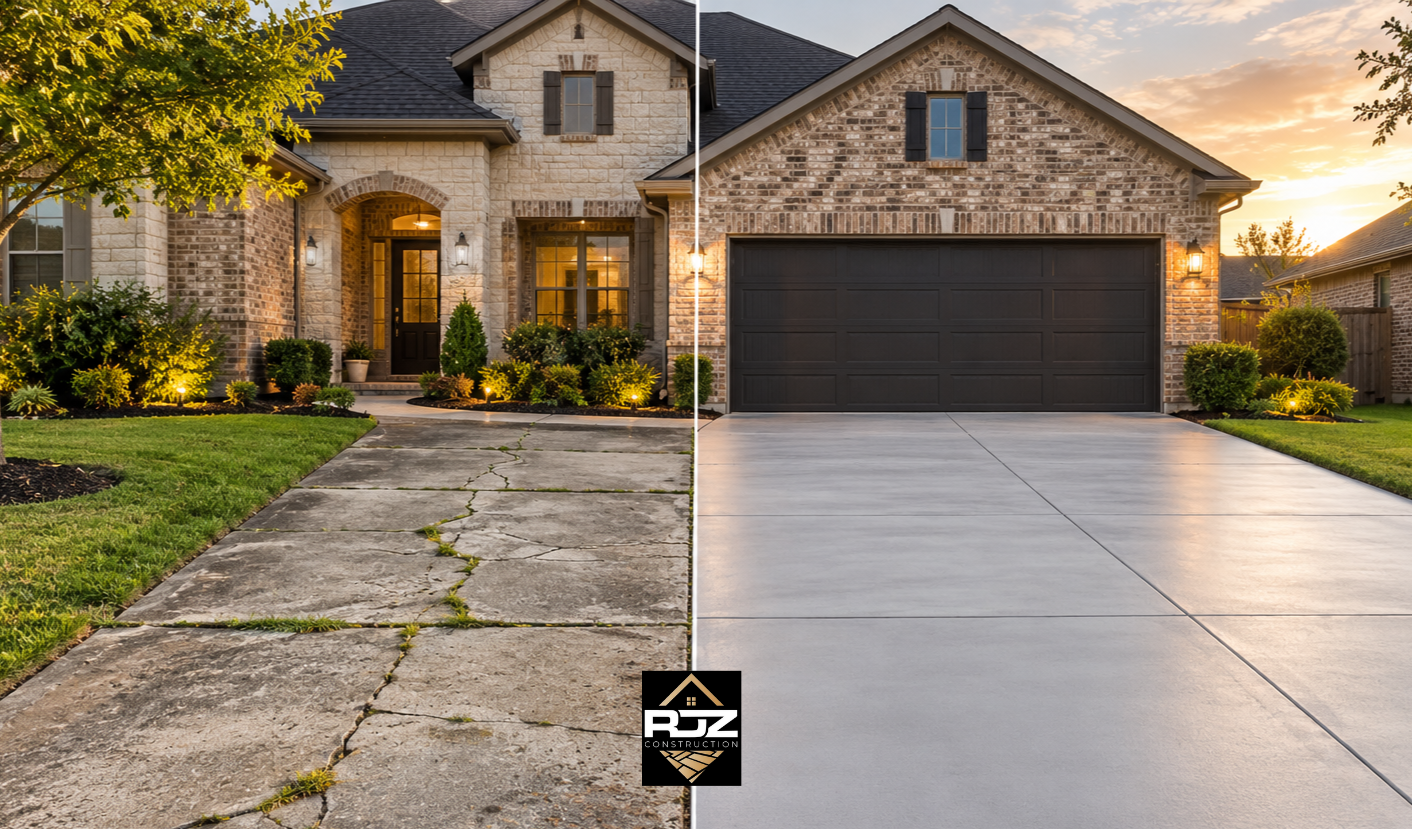
This is also where budget becomes more useful. Instead of asking, “What can I afford?” ask, “What will make the greatest difference first?” That shift leads to smarter planning and fewer compromises. For homeowners exploring durable surfaces, the comparison between materials can be especially useful. Our article on pavers vs. concrete for Chicago patios and driveways explains how different options affect appearance, maintenance, and long-term value.
Core Backyard Features That Start With Smart Design
Patios and gathering spaces
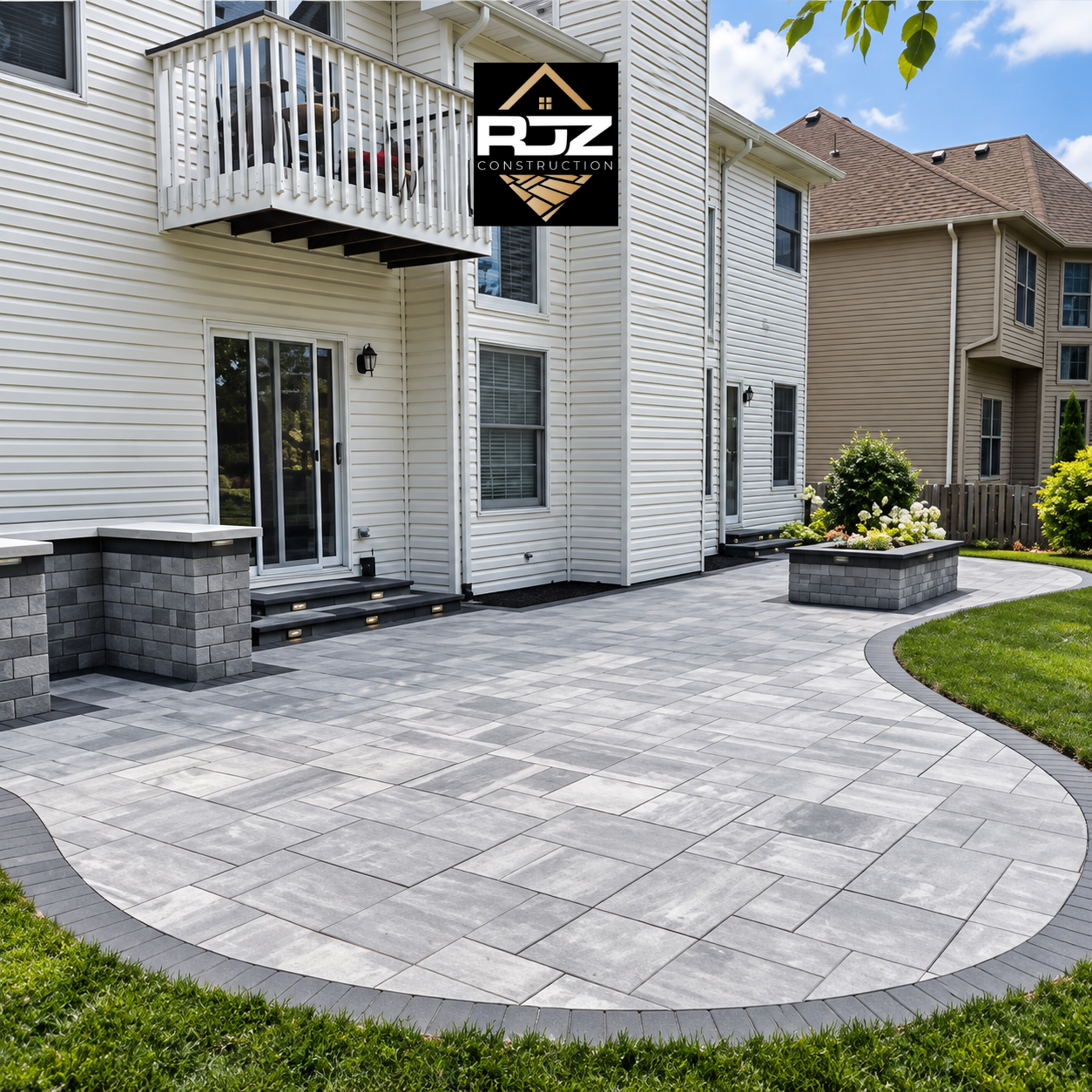
Patios are often the anchor of a backyard design because they create a stable space for dining, relaxing, and entertaining. But the best patios do more than provide a hard surface. They connect indoor and outdoor living, define circulation, and create a natural destination in the yard. Size, shape, material, and location all matter, which is why patio planning should happen early in the design phase.
For homeowners who want a flexible, long-lasting outdoor surface, a custom build can dramatically improve usability. A patio can be expanded later, framed with plant beds, or paired with lighting and seating walls to create a more complete living area. Learn more about how layout and material choices can shape the final result through our patios service.
Retaining walls and grade correction
Backyards with slope or uneven terrain often need structural support before they can be fully enjoyed. Retaining walls do more than hold soil in place; they shape the yard into usable levels and help manage water movement. Without this kind of structure, planting beds can wash out, patio edges can settle, and some areas may remain too awkward to use.
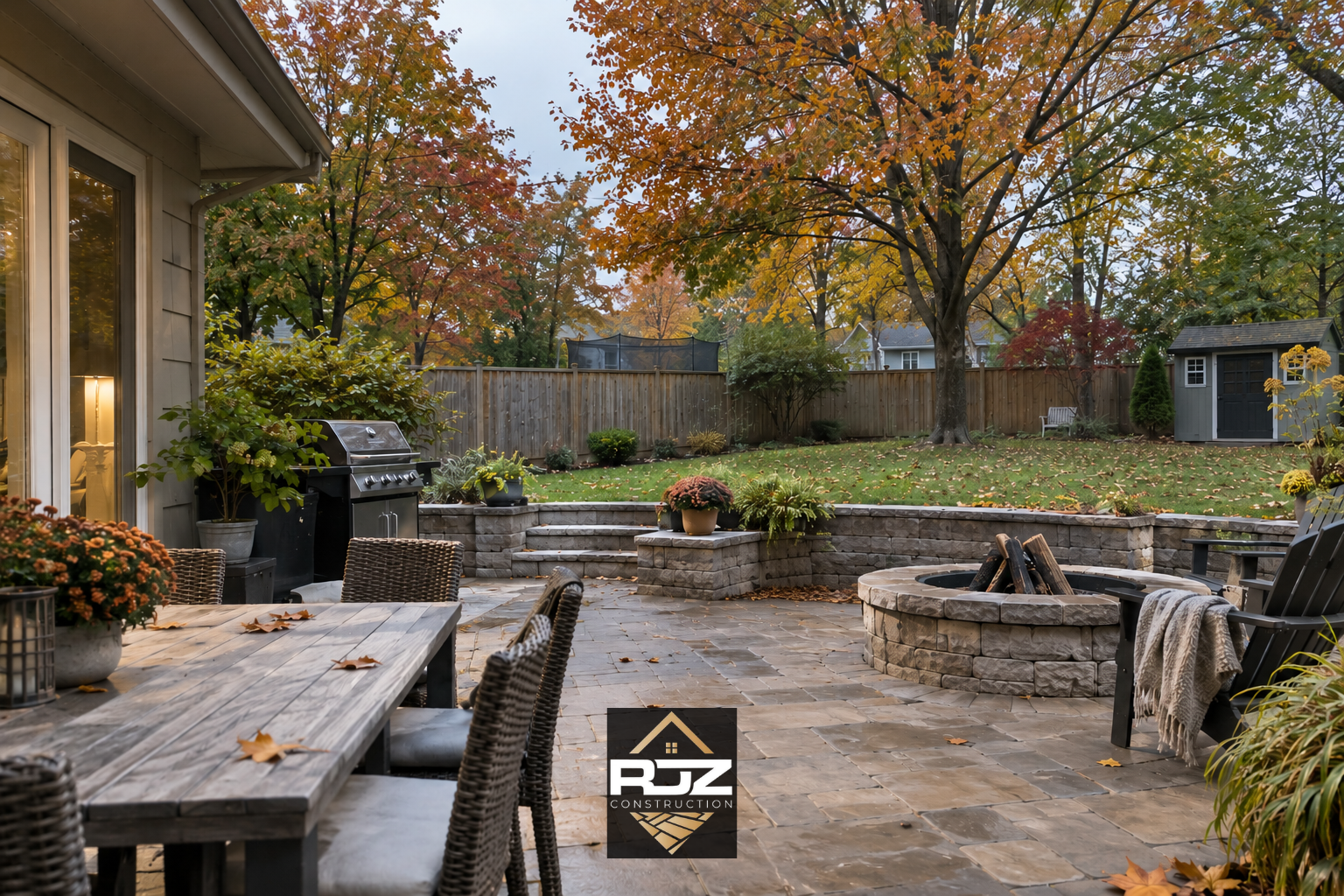
Designing with grade in mind creates more usable space and adds visual depth. A retaining wall can also serve as a backdrop for planting or a boundary between activity zones. It's one of the most practical investments for yards with elevation changes. If your property needs better structure, explore our retaining walls service for solutions that combine function and style.
Lighting, fire features, and finishing details
Finishing elements are what make a yard feel complete. Lighting improves safety and extends the use of the space into the evening. Fire features create warmth and give people a natural place to gather. Planters, seat walls, and built-in borders add polish and help the design feel integrated rather than temporary. These details are often what transform a decent backyard into a memorable one.
If you want to create a stronger focal point, an outdoor fireplace can become the heart of the yard. It adds visual weight, supports year-round use, and gives the space a cozy gathering zone. Read more about the role of warmth and atmosphere in our fireplaces service. For broader climate and home resilience planning, the Federal Emergency Management Agency offers useful information on drainage and property preparation at ready.gov.
The Landscape Design Process From Idea to Build
Step 1: Site assessment and problem solving
Every design should start with the property itself. A proper site assessment reviews slope, drainage, soil conditions, sunlight, privacy, existing structures, and access points. This step is essential because the site often determines what is possible and what will need to be adjusted. Even a beautiful concept can fail if it ignores the actual conditions on the ground.
During this stage, the design team should also identify constraints like utility lines, tight side yards, or areas that collect runoff. Those details influence grading, layout, and material choice. The best outdoor projects are the ones that solve existing issues while adding new features. That is why site analysis is not a side task; it's the foundation of the entire project.
Step 2: Layout, flow, and zoning
Once the site is understood, the next step is to divide the yard into zones. This may include dining, lounging, play, planting, and utility areas. Zoning creates order and helps the property feel larger because each area has a clear purpose. It also improves movement, so people can use the space comfortably without crossing awkward paths.
Good flow is especially important in smaller yards. When circulation is planned well, even a modest space can feel open and functional. If you want the backyard to support a real lifestyle rather than just a visual concept, layout decisions matter as much as the final materials. This is also where landscape construction becomes essential because the build phase translates the plan into a durable, finished environment.
Step 3: Material selection and build readiness
After layout is set, material selection helps define the look and performance of the space. Natural stone, pavers, masonry, lighting fixtures, and planting choices all affect durability and maintenance. In a climate with heavy rain, freezing temperatures, and seasonal movement, material quality is not optional. It's a long-term investment in how the space will hold up.
Material decisions should also reflect how the space will be used. High-traffic areas may need harder surfaces, while quieter areas can support softer textures and more planting. The goal is balance: a yard that feels inviting but still performs well over time. This stage is where design and construction work hand in hand to make the project buildable and maintainable.
What Makes a Backyard Design Feel High-End Without Feeling Overdone
Consistency in shapes and materials
A refined outdoor space usually feels calm, not crowded. That happens when the design uses a consistent set of shapes, colors, and materials. Repeating certain lines or textures helps the yard feel intentional and visually connected. It also makes the space easier to maintain because the design language is simpler.
This doesn’t mean everything must look identical. Instead, the best designs use contrast in a controlled way. A patio may have one material, while a seat wall or step band provides a complementary finish. The result is depth without clutter. Homeowners who want a more polished final look often combine hardscape structure with soft planting and carefully chosen accents.
Layering for comfort and privacy
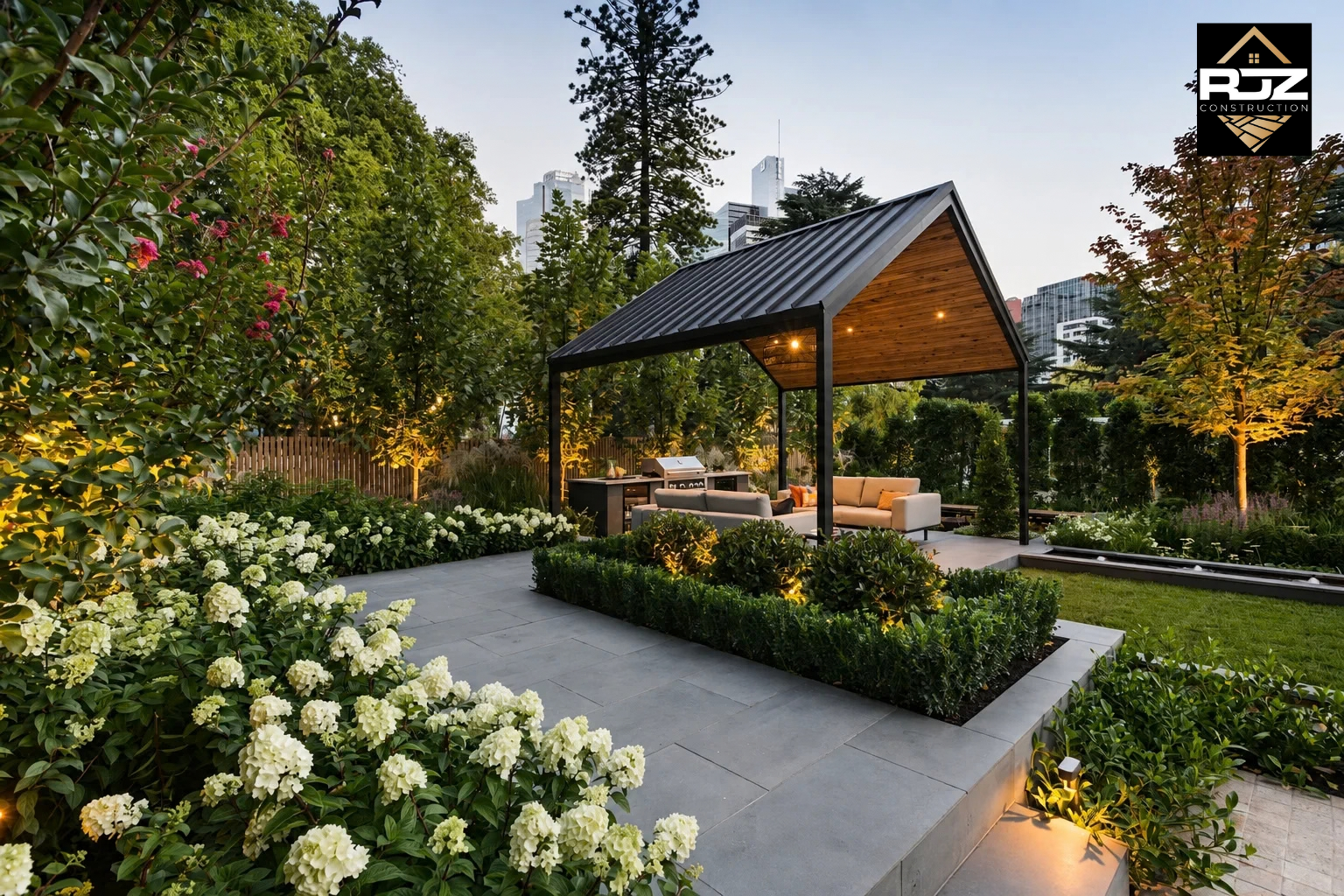
Luxury in a backyard is often about comfort, not just price. Privacy screening, plant layering, shade, and outdoor seating all contribute to a space that feels inviting. Layering gives the yard dimension and helps transition between open and enclosed areas. It can also make the property feel more secluded, even in a dense neighborhood.
Thoughtful layering is especially useful when space is limited. A modest yard can still feel rich and complete if each section is planned to support the next. For homeowners who want a custom result, the combination of landscape design and finishing features can create an outdoor retreat that feels far more substantial than its square footage suggests.
Common Backyard Planning Mistakes to Avoid
Building features before solving drainage
Drainage is one of the most overlooked parts of backyard planning. If water already collects in certain areas, that issue should be addressed before installing patios, walls, or plant beds. Otherwise, the new construction can be damaged by the same problem that made the yard frustrating in the first place. Proper grading and runoff management protect the investment from day one.
This is especially important in projects involving hardscape surfaces, which can shift or settle if water is not managed correctly. A design-first approach identifies where water moves and how it should be redirected. That kind of planning may not be visible when the project is complete, but it is a major reason the finished space lasts.
Choosing features that do not match the home
A backyard should feel connected to the house, not like a separate idea dropped behind it. If the home has clean lines, a highly ornate layout may feel disconnected. If the house is more traditional, ultra-modern materials may look out of place. The best landscape designs echo the architecture while still giving the yard its own identity.
Matching the home doesn’t mean being boring. It means respecting scale, proportion, and style. That balance creates a smoother visual transition from inside to outside, which is one reason thoughtful design often improves both daily enjoyment and resale appeal. Homeowners in need of inspiration can explore more strategy-driven ideas in our blog post on backyard design ideas to create a functional outdoor space.
Trying to do everything at once
Another common mistake is overbuilding too early. Homeowners sometimes try to fit every dream feature into the first phase, which can strain the budget and overcrowd the layout. A better approach is to design the full vision first, then phase the work in a logical order. That way, each stage still fits the final plan.
Phasing is especially helpful when the yard will evolve over time. You may start with grading, a patio, and basic lighting, then add a fireplace, seating walls, or garden areas later. Because the master plan was established first, every future improvement feels connected instead of random. This is one reason design is such an important starting point.
Why Design Adds Value Beyond Appearance
Improved daily use and lower frustration
People often think of landscape design as aesthetic planning, but the real value is often practical. A well-planned backyard is easier to walk through, easier to enjoy, and easier to keep up. When zones are organized properly, daily routines become smoother, whether that means carrying groceries to a patio, letting kids play outside, or stepping into the yard for a quiet morning coffee.
This kind of usability can change how often the space gets used. Instead of being an area you glance at, it becomes part of your lifestyle. That shift is one of the strongest returns on outdoor investment because it improves your home experience immediately, not just in the future.
Stronger resale appeal
Buyers notice when a backyard is thoughtfully planned. They can see that the property has been cared for, and they often understand that a functional outdoor layout saves them time and money later. Features like patios, retaining walls, and quality lighting all help a yard feel finished. Even if a buyer doesn’t share your exact taste, they can still appreciate a space that is clearly well designed.
According to home improvement guidance commonly shared by housing and remodeling experts, projects that improve function and curb appeal tend to support stronger buyer interest. The key is not just adding features, but adding features that fit the property well. That is the difference between a backyard upgrade and a true landscape investment.
How RDZ Construction Helps Homeowners Start the Right Way
From concept to construction
At RDZ Construction LLC, we believe the best outdoor spaces begin with a clear plan. Our approach focuses on understanding how you want to use the yard, what the property needs to perform well, and which features will create the most value over time. From there, we turn ideas into durable, buildable designs that fit the home and the homeowner.
That process is especially useful for clients who know they want something better but are not sure what shape it should take. Whether the project includes a patio, retaining wall, driveway improvement, or full outdoor living layout, design creates the framework for making smart decisions. When the vision is clear, the rest of the work becomes much easier to manage.
Built for function, style, and long-term use
We serve homeowners who want more than a quick refresh. Our projects are built to handle everyday use while still looking polished and intentional. That means choosing materials carefully, paying attention to drainage and grade, and making sure every element supports the bigger picture. It is this combination of craftsmanship and planning that creates outdoor spaces with real staying power.
If your yard feels unfinished or underused, the right next step may not be a feature list. It may be a design conversation. A thoughtful plan can reveal possibilities you may not have considered and help you avoid spending money in the wrong places. If you are ready to move forward, our team can help you explore the best path for your property.
Frequently Asked Questions About Starting a Backyard Design
How do I know what my backyard needs first?
Start by identifying the biggest problem or limitation. For some properties, that is poor drainage. For others, it is lack of seating, no clear walkway, or a yard that simply feels unused. A site review and design discussion can quickly reveal which issues should be addressed first. Once the foundation is set, the rest of the project becomes much clearer.
Can I design my yard in phases?
Yes, and in many cases that is the smartest choice. A phased project allows you to create a master plan now and build it in stages as budget and timing allow. The important part is making sure each phase fits the overall plan so the space stays cohesive. This approach is especially helpful for larger properties or more complex landscapes.
What if I only want one or two features?
Even small projects benefit from design. A patio, walkway, or retaining wall still needs to fit the property properly and connect well with the surrounding space. Starting with design helps you avoid oversizing, underbuilding, or placing features in awkward locations. A focused project can still have a major impact when it is planned well.
Turn an Unused Yard Into a Space You Will Actually Enjoy
If your backyard feels like wasted potential, the answer is usually not to add more random features. It is to start with a strong plan. Landscape design gives you direction, helps you avoid expensive mistakes, and creates a yard that fits your routine, your style, and your property. From patios and retaining walls to lighting and outdoor gathering areas, every feature works better when it begins with a thoughtful layout.
When you are ready to make your backyard useful, comfortable, and built for the long term, RDZ Construction LLC is here to help. Explore our landscape design, patios, and retaining walls services to see how we can turn your outdoor space into something more functional and more rewarding. For a broader look at our work, visit RDZ Construction LLC and take the first step toward a backyard that finally makes sense.