Pavers vs. Concrete: Which Is Better for Your Chicago Patio or Driveway?
Choosing between pavers and concrete is a big decision when you're planning a new patio or driveway. Both can give you a nice, sturdy surface, but they handle Chicago's weather differently, look different as they age, and need different kinds of care. If you're weighing your options for a new outdoor area, this guide will help you sort out the pros and cons so you can pick what's best for your budget, lifestyle, and long-term plans.
At RDZ Construction LLC, we're here to help homeowners make smart choices about outdoor surfaces every day, with services like custom patios and driveway builds and replacements. The right choice isn't always obvious, especially in a city like Chicago where freeze-thaw cycles, drainage, and heavy seasonal use can impact how materials perform. Let's break down the differences so you can feel confident moving forward.
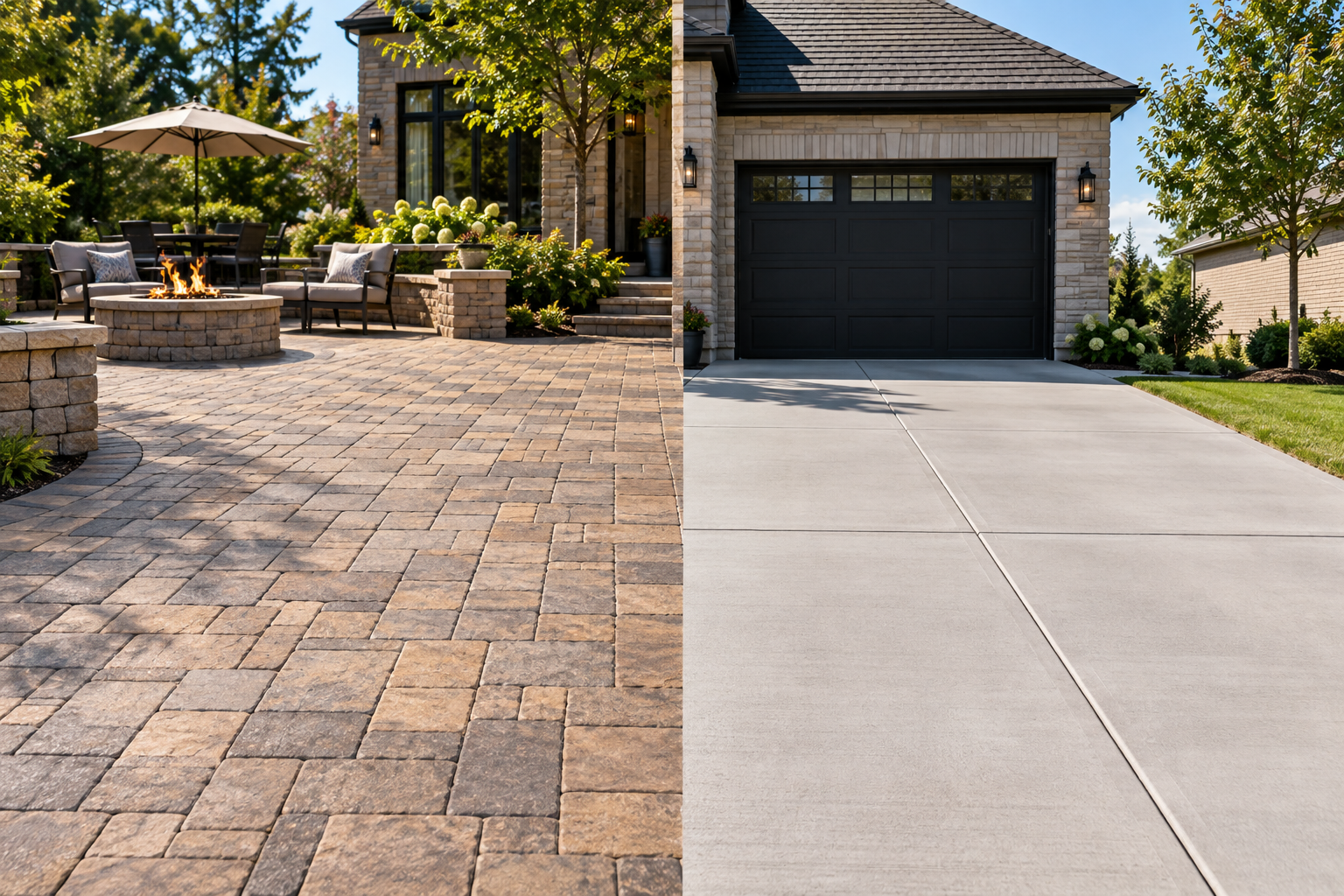
Generally speaking, pavers might be better if you're looking for a high-end look, design flexibility, and easy repairs, while concrete could be a good fit if you want a straightforward surface without a high upfront cost. The National Park Service points out that freeze-thaw weathering can really affect outdoor materials, which is especially important in the Midwest. So, choosing the right material isn't just about how it looks—it's about how long it will last.
What Are Pavers and Concrete, Really?
Pavers in Simple Terms
Pavers are individual pieces made from materials like concrete, stone, or clay, laid out in a pattern over a prepared base. Because they are separate units, they can move a bit without cracking as easily as a solid slab. This flexibility makes them appealing in places with changing temperatures and shifting soil conditions.
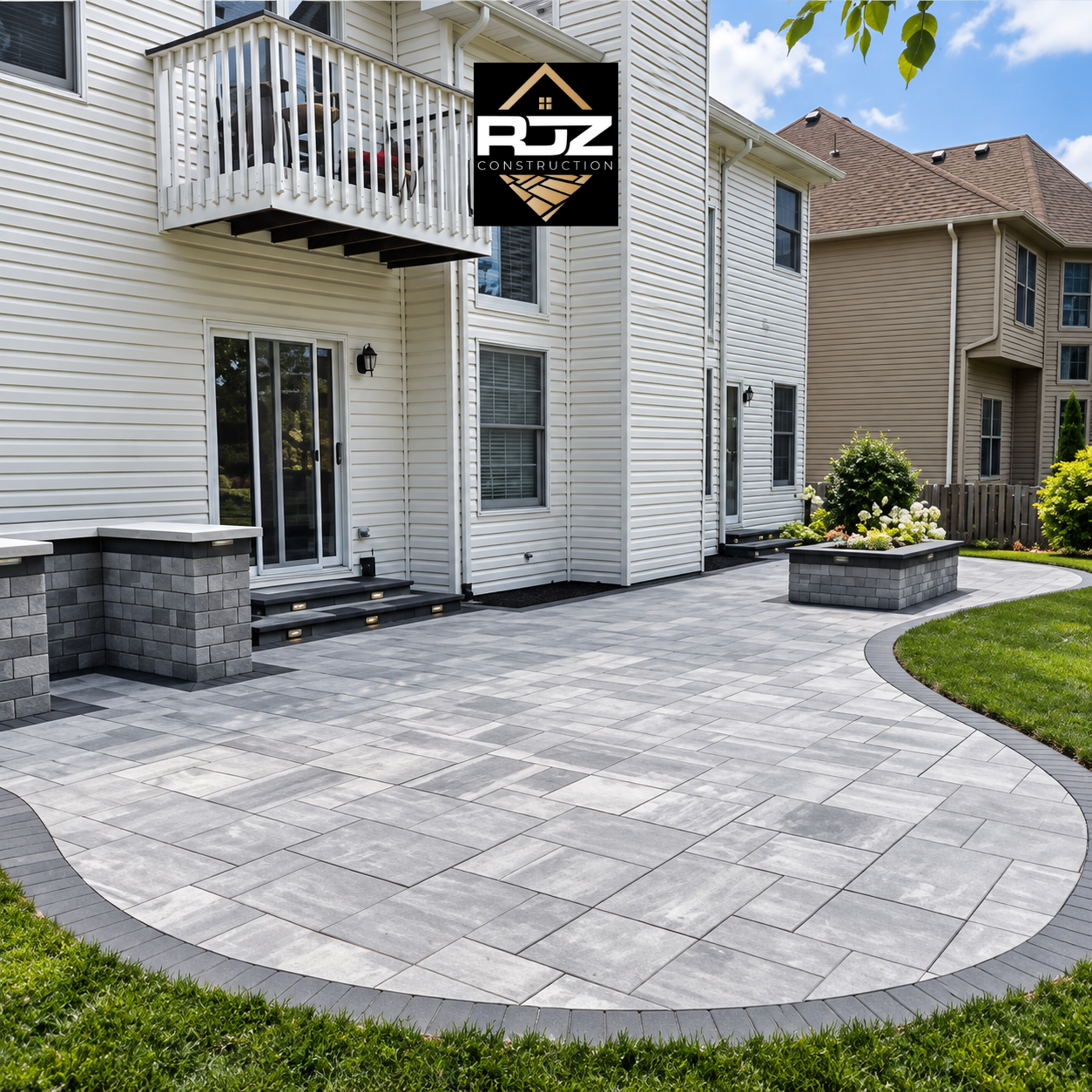
If you're aiming for a more polished outdoor living area, pavers go well with other hardscape features such as patios, walkways, and outdoor elements. They're great for creating borders, walkways, entertaining zones, and driveway accents, with a design style that feels intentional. Plus, they come in a variety of shapes, textures, and colors, allowing for a more custom look.
How Concrete Works
Concrete is a poured surface, installed as one continuous slab. It can be brushed, stamped, stained, or colored to enhance its appearance, and it's often chosen for its simpler installation process. Because it's a continuous slab, it usually costs less to install than a premium paver surface, especially over large areas.
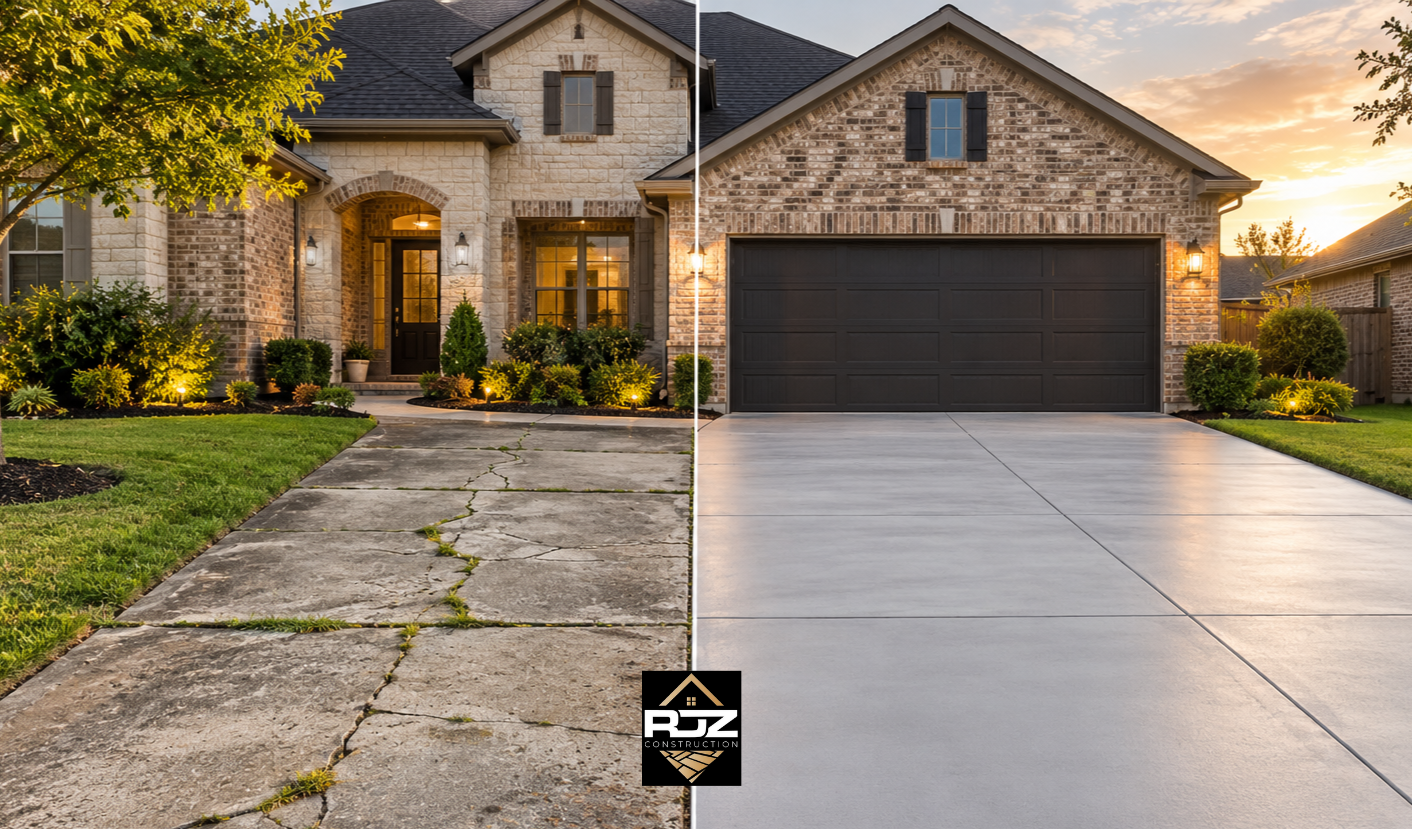
Concrete is commonly used for driveways and patios where the goal is a functional, smooth surface. It works well when the site is stable, and drainage is carefully planned. But since it's a single slab, concrete can show visible cracks over time, and those cracks can be harder to hide or repair cleanly.
Chicago Climate Matters More Than You Think
Freeze-Thaw Cycles and Material Movement
Chicago weather puts outdoor surfaces through a lot. Water gets into tiny cracks, freezes, expands, and then thaws again, causing movement and wear. This repeated cycle is a key reason why homeowners need to think carefully about their patio or driveway material.
Concrete can hold up well when installed correctly, but once cracks start, freeze-thaw cycles can make them worse. Pavers handle this environment differently because their interlocking design allows for some movement without damaging the entire surface. That flexibility is why many homeowners looking for landscape construction in Chicago choose pavers for high-visibility outdoor areas.
Salt, Snow, and Seasonal Wear
Winter maintenance is also crucial. Driveways and patios in Chicago must handle snow removal tools, road salt, and frequent temperature changes. Concrete can be affected by salt, especially if the surface is already worn or porous. Over time, that can lead to scaling, discoloration, and surface wear.
Pavers can also be impacted by deicing products, but they're easier to repair because you can replace damaged pieces one at a time. If you live in an area with varying yard grades, choosing between pavers and concrete should include a full look at drainage and slope. A well-planned layout often matters as much as the material itself.
Cost Comparison: Upfront Price vs. Long-Term Value
Why Concrete Usually Costs Less at First
If your main priority is staying within budget, concrete usually wins. It generally requires fewer materials and less labor than a premium paver system, especially for large driveways. That makes it appealing if you're looking for a solid, usable surface without a large initial investment.
But remember, the lowest upfront cost doesn't always mean the best value. Concrete repairs can get pricey if cracking spreads or if the slab settles unevenly. Sometimes, a cheaper installation can lead to higher maintenance costs over time, which is why it's smart to think about total lifecycle value rather than just the initial price.
Why Pavers Often Deliver Stronger Long-Term ROI
Pavers usually cost more to install, but they can offer better long-term value because they're easier to maintain, repair, and update. If a section gets damaged, a contractor can remove and replace individual units instead of tearing out the whole slab. That can save time and reduce repair disruption later on.
For many, the extra investment also pays off visually. A paver patio or driveway often looks more upscale and can boost curb appeal in a noticeable way. If you're considering options as part of a larger upgrade, you might want to check out our guide on boosting home value with quality construction to see how thoughtful outdoor improvements can support resale potential.
Appearance and Design Flexibility
The Custom Look of Pavers
Pavers give you the most design freedom. Choose from classic, modern, rustic, or geometric styles, and mix them with borders, inlays, and contrasting colors. They're a great pick if you want your patio or driveway to feel like a true extension of your home.
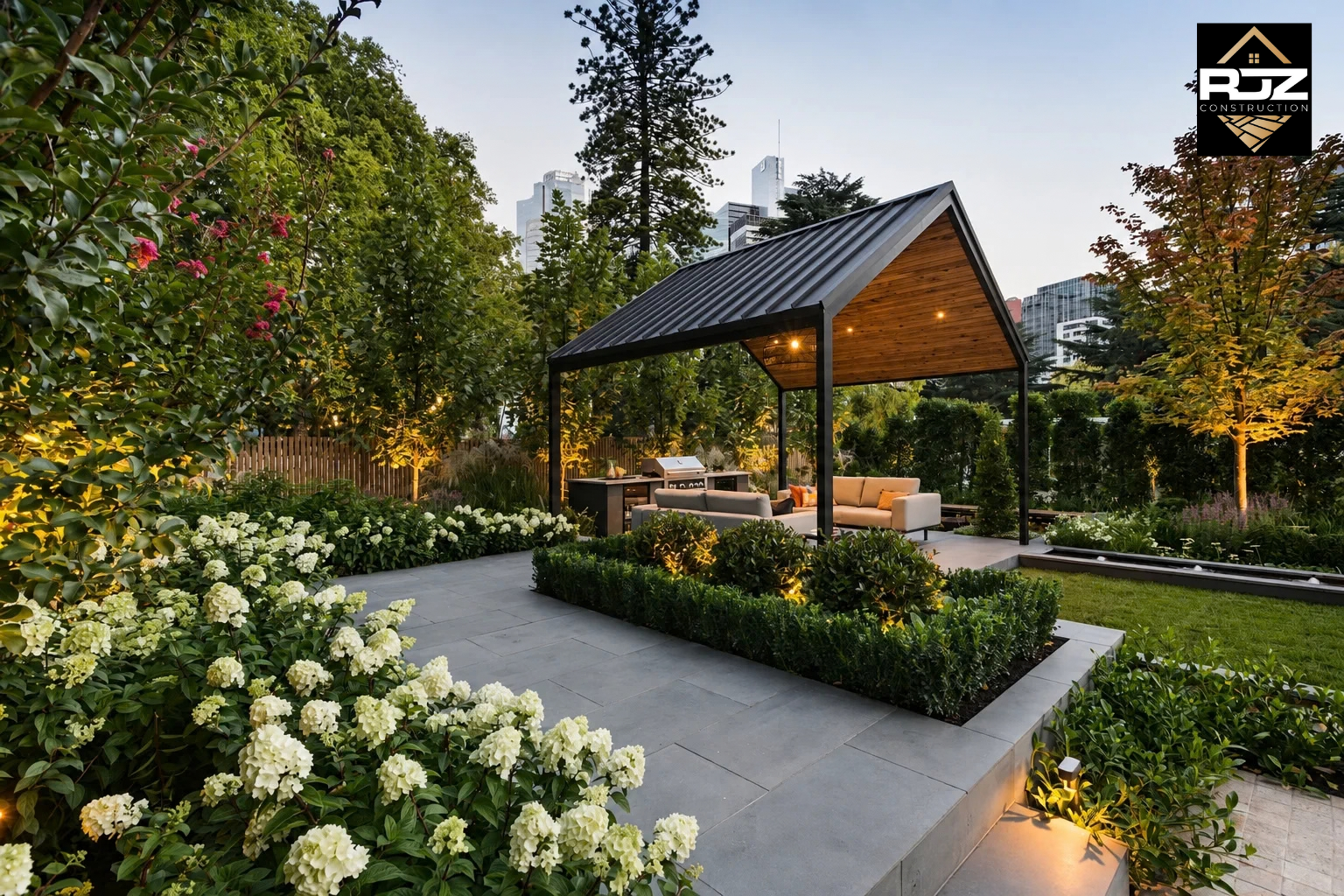
If you're aiming for a cohesive outdoor living space, pavers work especially well with landscape design because you can tailor the layout to fit your property's shape and use patterns. They also pair nicely with features like outdoor fireplaces, which can help define a gathering area and make the space feel complete.
The Clean Simplicity of Concrete
Concrete offers a more minimal look, which some people prefer. It suits contemporary homes or spaces where function takes priority over texture. With stamping or staining, concrete can mimic stone or tile, but it usually doesn't match the depth and detail of real pavers.
That said, concrete can still be attractive when planned carefully. A crisp poured driveway or patio can give your property a neat, clean look, especially with strong landscaping and edging. If you're looking for a streamlined finish and lower maintenance expectations, concrete remains a practical option.
Durability, Repairs, and Maintenance
How Pavers Handle Damage
The biggest advantage of pavers is how easy they are to repair. If a car leaks oil, a tree root shifts the base a bit, or a section settles over time, contractors can often lift and reset the affected area without disturbing the rest of the installation. That's a major plus for driveways and patios that see regular use.
Routine maintenance is also manageable. Pavers might need occasional joint sand replenishment, sealing depending on the product, and basic cleaning. While there's more upkeep than with a plain concrete slab, many homeowners appreciate the ability to keep the surface looking good for years with regular care.
How Concrete Handles Damage
Concrete is easier to maintain at the surface level because it's one large slab and usually requires less routine attention. Sweeping, rinsing, and occasional sealing can help keep it looking good. But when damage occurs, repairs are rarely invisible, and patching often leaves visible seams or color differences.
For homeowners planning around long-term performance, it helps to review recognized installation and maintenance principles from sources like the Interlocking Concrete Pavement Institute. Their guidance stresses the importance of base preparation, drainage, and proper installation methods, which are essential for both pavers and concrete but especially important to avoid premature failure.
Which Is Better for a Chicago Patio?
When Pavers Make the Most Sense
Pavers are often the better patio choice if you're looking for a space for dining, entertaining, or relaxing with a high-end finish. They create a more finished look than plain concrete and can make the patio feel like a natural room outdoors. Because patios are highly visible and used for social time, style matters just as much as durability.
They also work well when the patio is part of a larger outdoor plan that may include steps, planters, seating walls, or lighting. If your project needs shaping and detail, retaining walls and pavers can be combined to manage grade changes and create defined spaces. For homeowners with irregular yard layouts, that flexibility is valuable.
When Concrete Is Enough for a Patio
Concrete can be a smart patio solution if you're after simplicity. For smaller outdoor spaces or utility-focused areas, a poured slab can deliver a clean, stable surface without a major design budget. It can also work well if you're planning to add outdoor furniture, planters, or freestanding features to soften the look.
Still, concrete patios can show wear faster in areas with heavy snow shoveling, poor drainage, or frequent use. If you're using the patio as a long-term entertainment zone, pavers usually offer more visual appeal and better repair options. The decision often comes down to whether you want a basic outdoor floor or a more crafted outdoor living area.
Which Is Better for a Chicago Driveway?
The Case for Paver Driveways
Paver driveways can handle heavy use very well when installed on a strong base. Because the individual units distribute pressure and allow some flexibility, they often perform better than a cracked slab in the long run. They also tend to create a premium first impression, which is especially useful when curb appeal matters.
For homes with larger fronts or upgraded entry areas, a paver driveway can visually connect the home to the rest of the property. It can also complement other features such as custom driveway construction and structured front-yard layouts. If your driveway doubles as a design statement, pavers are often worth the higher investment.
The Case for Concrete Driveways
Concrete driveways are common for a reason. They're cost-effective, relatively quick to install, and familiar to most homeowners. For properties where function is the main goal and the budget is tight, concrete can provide a solid result.
However, because driveways endure vehicle weight, salt, freeze-thaw cycles, and constant wear, concrete may show age more quickly than you expect. The U.S. Environmental Protection Agency notes that stormwater and runoff management are important in site planning, and that matters here because driveway drainage can affect long-term surface condition. If drainage is ignored, even a good concrete driveway can fail early.
Installation Quality Matters as Much as Material Choice
The Base Is the Foundation of Performance
Many homeowners focus only on the visible surface, but the base below the surface often determines how long the project lasts. A well-compacted base, proper grading, and correct drainage planning are essential for both pavers and concrete. Without these basics, even the best materials can fail early.
This is why professional site evaluation matters before any project begins. If your property needs better grading or structural support, our landscape construction approach helps identify issues before installation starts. A strong plan can prevent settling, puddling, edge failure, and premature cracking later on.
Why Drainage Should Never Be an Afterthought
Drainage problems are one of the most common reasons outdoor surfaces deteriorate. Water that pools near a patio or collects under a driveway will eventually create movement, erosion, or material wear. Chicago homeowners should pay close attention to slope, runoff direction, and soil conditions before choosing a surface.
If your site already has drainage concerns, pavers may offer a little more forgiveness because they can be adjusted and repaired in sections. But no material can compensate for poor design. That's why quality planning is the real investment, not just the finish material.
Frequently Asked Questions About Pavers vs. Concrete
Do Pavers Last Longer Than Concrete?
In many cases, yes. Pavers often outlast concrete in practical terms because they're easier to repair and less likely to suffer from large visible cracks. The underlying base still matters, but the modular nature of pavers gives them an advantage in climates with freeze-thaw cycles.
Are Pavers Worth the Extra Cost?
They can be, especially if you care about design, repairability, and long-term appearance. Pavers often make sense for patios and driveways where aesthetics and durability both matter. If you plan to stay in the home for years, the added value can justify the cost.
Is Stamped Concrete a Good Middle Ground?
Stamped concrete can provide a decorative look at a lower price than pavers, but it still carries the same slab-cracking risks as standard concrete. It can be a good compromise for some homeowners, but it usually doesn't offer the same repair flexibility or long-term detail retention.
Which Option Is Easier to Maintain in Winter?
Both can work in winter, but pavers are often easier to repair if snow shovels, salt, or frost movement cause localized damage. Concrete is simpler day-to-day, but if it cracks or flakes, repairs are more noticeable. Maintenance priorities depend on whether you value simplicity or long-term replaceability.
How to Decide What Is Right for Your Home
Choose Based on Use, Not Just Price
The best material depends on how you plan to use the space. If you want a polished patio for entertaining or a driveway that boosts curb appeal, pavers are often the stronger choice. If you need a practical surface at a lower starting cost, concrete may be enough.
Think about how the project fits into the rest of your property. A patio might lead to future additions like lighting, seating, or outdoor cooking areas, while a driveway might connect to retaining features or front-yard improvements. For a broader property refresh, consider how surfaces coordinate with finishing outdoor features so the whole space feels intentional.
Think About Your Long-Term Maintenance Comfort
Some homeowners prefer a surface that needs very little attention, even if repairs are harder later. Others are comfortable with slightly more maintenance if it means a better look and easier restoration. Be honest about how much upkeep you want to handle over the life of the project.
If you're still unsure, a site-specific review can help you compare the two materials based on grade, drainage, traffic, and style goals. That's often the fastest way to move from broad research to a confident decision. A well-informed choice now can prevent frustration later.
Final Thoughts: Pavers or Concrete?
For most Chicago patios, pavers offer the best mix of appearance, repairability, and long-term value. For many driveways, they provide a strong return because they stand out visually and handle localized repairs better than concrete. Concrete still has its place, especially when budget and simplicity are top priorities, but it's usually the more basic option.
The best way to choose is to look beyond the initial cost and think about how the surface will hold up over time. Consider weather exposure, drainage, maintenance, and how you use the space in daily life. If you want help planning the right outdoor surface for your property, RDZ Construction LLC can guide you through design, material selection, and installation with a focus on durability and detail.
Ready to compare options for your patio or driveway? Check out our patio solutions and driveway services, then contact RDZ Construction LLC to discuss a custom plan for your home. A smart surface choice today can enhance how your property looks, functions, and performs for years to come.