Transform Your Backyard with Custom Paver Patios
Ever look out at your backyard and feel like it's just a wasted space? You're definitely not alone. A lot of folks wish their outdoor areas were more inviting but aren't sure where to start. That's where a custom paver patio comes in. It can give your yard a sense of structure and make it feel like a place you actually want to spend time.
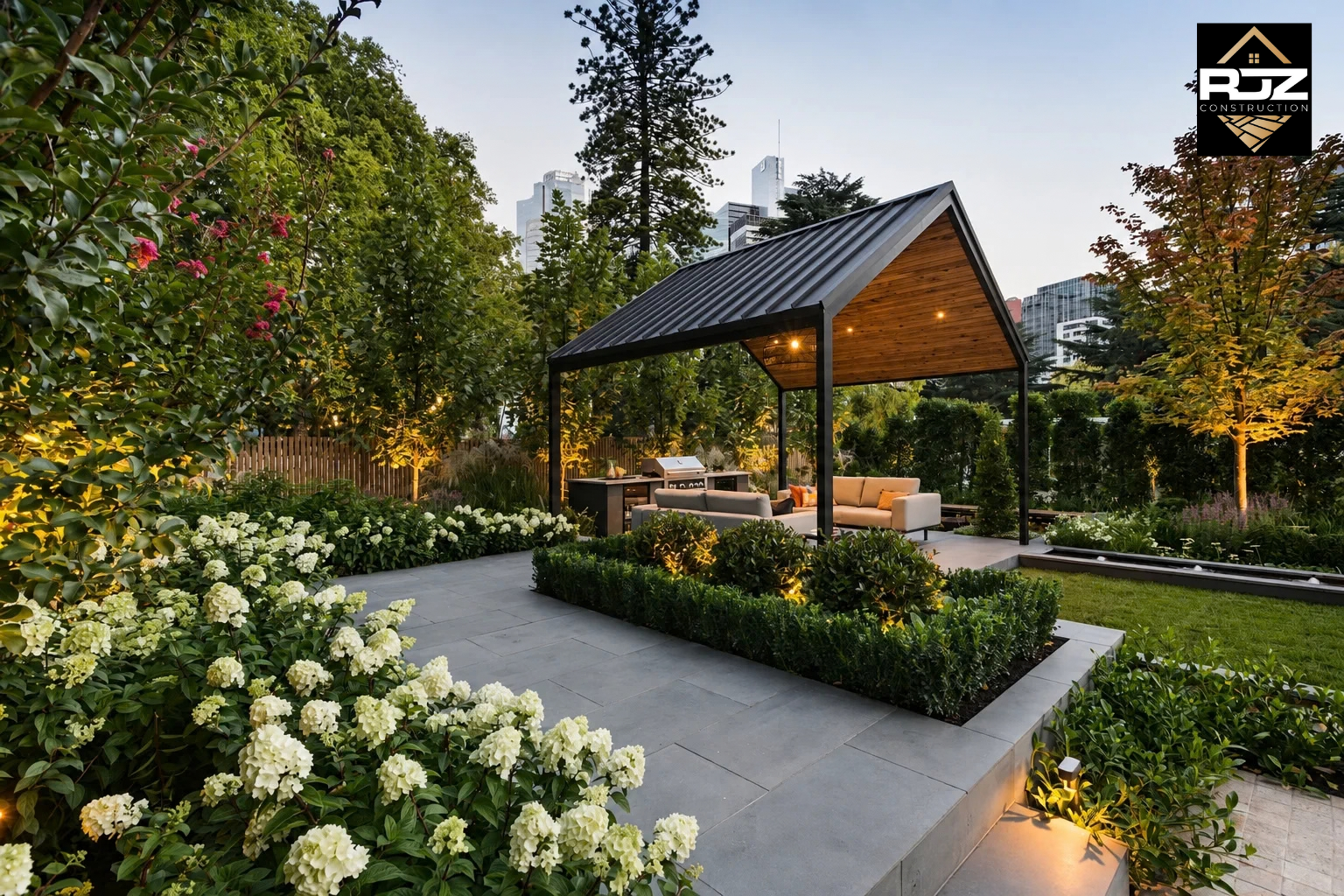
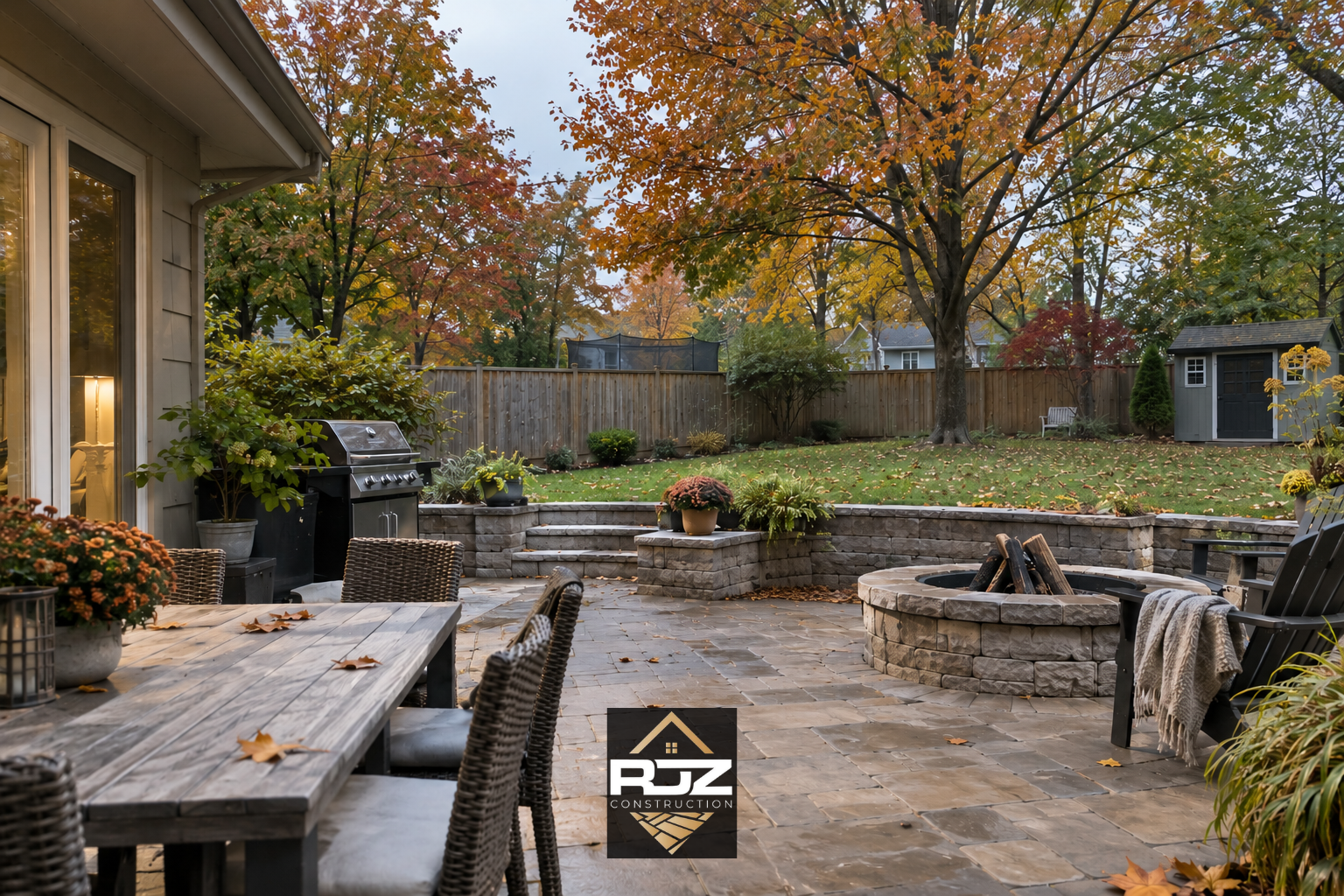
Unlike a simple concrete slab or a temporary setup, a well-built patio becomes the heart of your outdoor living area. It can hold dining spots, lounging areas, and even fire features, seamlessly connecting with the rest of your property. If you're thinking about building a patio or diving into landscape construction, keep in mind that the goal isn't just to add more space. It's about creating a comfy and attractive outdoor area.
So, does a patio really change how a backyard feels? Absolutely. Studies show that well-defined spaces boost both enjoyment and property value. Plus, the U.S. Department of Energy highlights that smart planning and materials can make these spaces durable and efficient. Want to know more about sustainable site planning? Check out Energy Saver guidance from the U.S. Department of Energy.
Why Empty Backyards Feel Unused
Open Space Lacks Purpose
A wide-open backyard might technically give you space, but without clear zones, it can feel awkward. People avoid areas that don't have a defined purpose or obvious places to sit or gather. A patio solves this by offering a destination for both the eyes and body.
Without structure, even well-maintained landscaping can seem disconnected. A lawn alone doesn’t usually create a real outdoor retreat, which is why a custom paver patio often becomes the anchor for everything else.
Limited Daily Use
Many backyards only see action during occasional events because there's no practical spot for furniture, grills, or gathering spaces. A patio offers a stable, level surface for everyday use. Suddenly, your yard isn't just something you look at from the window—it's a part of your home.
This becomes even more useful with features like outdoor elements that enhance comfort and usability. Seating walls, lighting, and fire features can all complement the patio to make your backyard feel complete instead of empty.
Visual Imbalance
Backyards often feel empty because too much open space lacks balance. People naturally respond to visual harmony, and large blank areas can make even a spacious yard seem uninspiring. A patio adds texture, pattern, and definition to create a more inviting environment.
This visual structure also improves the flow from the front of your home to the backyard. If your front yard already has strong design lines, your backyard should reflect that same care. A patio helps you extend your home's style outdoors in a natural, attractive way.
How Custom Paver Patios Transform Your Space
Creating an Outdoor Room
The most impactful thing a paver patio does is make the backyard feel like an extension of your home. Instead of just an open area, you get a room without walls. This change makes the space feel inviting and complete.
Once the patio is in place, arranging furniture becomes simple, and the rest of your design falls into place. A dining set can define one area, a lounge set another, and landscaping can soften the edges. This kind of planning makes landscape design essential before you start building.
Improving Function and Flow
A custom patio isn’t just about looks; it also enhances how you move through the yard. When designed well, it creates a natural flow from your home to your outdoor living space and connects to other features like walkways or gardens.
That's why professional hardscape planning is important. Getting the dimensions, layout, and transitions right helps the patio support daily life. A well-placed patio makes it easier to navigate, furnish, and enjoy your backyard.
Adding Long-Term Value
People often think of patios as lifestyle upgrades, but they're also sound investments. Outdoor living spaces appeal to buyers because they add usable square footage without requiring a full interior addition. When well-designed and built to last, their value extends for years.
According to the National Association of Realtors, outdoor features remain highly appealing to buyers when they’re functional and require low maintenance. You can check out more about housing trends through NAR research and statistics. That's why quality hardscaping continues to be a smart choice.
Choosing Your Paver Patio Design
Start with Your Lifestyle
The best patio design matches how you plan to use the space. Some people just need a simple spot for morning coffee, while others want a full outdoor entertaining zone with a grill and dining table. Your patio should reflect your habits, not just the latest trends.
Thinking about your lifestyle first also helps with size and shape decisions. A family that entertains often may need multiple zones, while a smaller household might prefer a compact, efficient layout. Either way, the design should feel comfortable and not overcrowded.
Match Your Home's Architecture
A paver patio looks best when it complements your home rather than competes with it. The color, shape, and pattern should harmonize with your home's exterior style. A thoughtful design feels intentional from the get-go.
For instance, clean lines can suit modern homes, while classic homes often benefit from warmer tones and traditional layouts. This is why investing in hardscape construction often results in a more polished finish than a one-size-fits-all solution.
Choose Materials That Fit the Environment
Pavers are popular because they offer durability, flexibility, and a range of design options. They perform well when properly installed over a solid base. Still, your choice of materials matters. Some pavers are better for heavy use, while others are great for decorative areas.
It's also important to consider the climate. Freeze-thaw cycles, heavy rain, and soil shifts can affect outdoor surfaces over time. The Federal Highway Administration provides useful info on how pavements and drainage work in real-world conditions. Check out FHWA pavement resources for more details.
Why Pavers Outperform Other Surfaces
More Visual Interest Than Plain Concrete
Plain concrete is functional but rarely adds the depth or character that pavers do. With pavers, you can choose various colors, textures, and patterns for a richer visual appeal. This detail helps the space feel custom and unique.
If you're deciding between materials, consider not just the cost but also lifespan, repair options, and look. In many cases, pavers offer better long-term flexibility because you can repair or replace individual pieces as needed. This makes maintenance easier down the line.
Easier Repair and Replacement
One big advantage of pavers is that damage doesn't usually mean tearing out the whole patio. If a part settles or gets stained, you can often fix just that section without replacing the entire surface. This is a huge plus for busy households looking for low-maintenance solutions.
This repairability also supports its value over time. A patio shouldn't be a recurring headache. When built with a quality base and proper edging, it stays level, attractive, and usable for years.
Design Flexibility
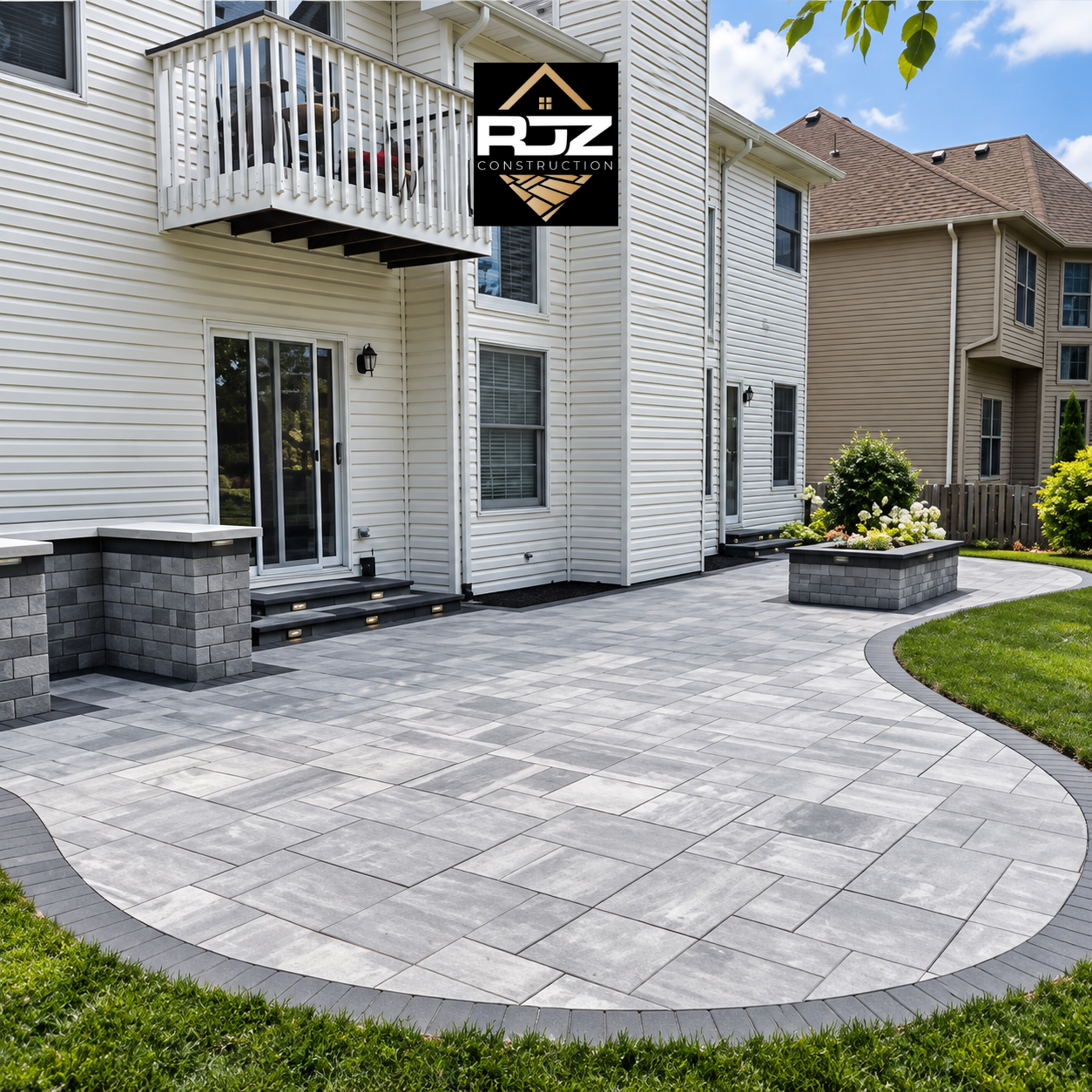
Pavers allow you to create curves, borders, inlays, and transitions that you can't easily achieve with other materials. This flexibility is especially useful in backyards that need custom shapes or want to integrate other features. A patio doesn’t have to be a rectangle unless that works best for the space.
Design flexibility is crucial when the patio is part of a larger plan. If you want to link a seating area to a walkway or fire feature, pavers can make those transitions seamless. The result is a backyard that feels complete from end to end.
Planning a Custom Patio
Evaluate Your Space
Before starting, take a look at your yard’s grade, drainage, sun exposure, and existing structures. These factors influence where your patio should go and how big it should be. Good planning prevents costly mistakes later.
This step can also reveal unexpected opportunities. For instance, shifting the patio slightly might improve flow from the kitchen to the grill area or create room for a future seating wall. Thoughtful planning turns a patio from just a surface into a smart solution.
Consider Drainage and Grading
Water management is crucial for any outdoor project. A patio that traps water or directs runoff toward your home will eventually cause problems. Proper slope, base prep, and edge detailing are essential.
Drainage affects longevity, too. Allowing water to pool can lead to settling or frost damage. Experienced crews treat drainage as a design priority, not just an afterthought.
Coordinate with Surrounding Features
A patio works best when it fits into a broader outdoor plan. This might include walkways, walls, or garden beds. When these elements are designed together, the finished project feels cohesive and intentional.
Homeowners often find that once the patio is in place, they want to add more. That's why it helps to think about future upgrades early. A design that includes retaining walls, lighting, or fire features can save time and avoid redesign later.
Features That Complete Patios
Seating Walls and Built-In Edges
Seating walls are a simple way to make a patio feel finished and functional. They provide extra seating without cluttering the space with furniture and help define the area visually. In many backyards, they also create a natural border for stronger structure.
Built-in edges can separate the patio from lawns or gardens, improving usability and creating a more intentional space. Small details like these can make a big difference in your overall experience.
Lighting for Evenings and Safety
Lighting often gets overlooked during patio planning, but it dramatically affects how often you use the space. Soft path lighting, step lighting, and accent lighting make the area safer and more inviting after dark. Without it, even a beautiful patio can become invisible at night.
When lighting is part of the hardscape plan, it feels elegant rather than tacked on later. It also highlights textures, edges, and architectural features, enhancing the patio's look. This makes the entire yard feel more polished and secure.
Fire Features for Warmth and Atmosphere
Few additions change a patio's vibe like a fire feature. Whether you choose a fire pit or a full fireplace, it creates a cozy space that naturally attracts people. Fire brings warmth, light, and a focal point that encourages longer outdoor use.
For those who want to enjoy their patio even on cooler nights, pairing it with fireplaces is a big upgrade. It makes the yard useful on chilly evenings and creates a gathering spot that feels both relaxed and elegant.
Making Your Patio Last
Base Preparation is Key
Even the most beautiful pavers won't perform well if the base underneath is poorly built. Proper excavation, compaction, and base layering keep the patio stable over time. This part of the project might not be visible, but it's often the most important.
Good base work reduces shifting and uneven surfaces. It also improves drainage and helps the patio handle seasonal changes. This hidden work is a major reason why professional construction tends to outperform rushed installations.
Quality Edge Restraint and Jointing
Edge restraint keeps pavers locked in place, while proper jointing helps maintain spacing and stability. These details might seem minor, but they directly affect how long the patio stays attractive and functional. A patio is only as strong as the system holding it together.
Joint sand and edge support should be chosen and installed with care. When these components are done right, the surface resists movement and looks cleaner over time. This attention to detail sets dependable hardscaping apart from average work.
Seasonal Maintenance Keeps it Looking New.
A custom paver patio doesn't require constant work, but occasional care helps. Sweeping debris, checking joints, and addressing stains early can make a big difference. In colder climates, proactive maintenance becomes even more important.
If you're getting ready for winter, consider our guide on fall backyard upgrades Chicago homeowners should consider before winter hits. It covers ways to protect and extend the life of your outdoor features.
Budget Expectations and ROI
Think Beyond Installation Costs
When comparing patio options, look at the whole picture, not just the initial quote. Installation quality, material durability, maintenance needs, and long-term usability all affect overall value. A cheaper option that fails early is rarely a bargain.
Custom paver patios often cost more upfront, but they can offer greater returns in enjoyment and property appeal. For many, the real value is in how much more the yard is used after the project is complete.
Value Comes from Everyday Use
The best return on a patio isn't just in resale value. It's in the dinners outside, conversations by the fire, and weekends spent in a space that once felt empty. This daily value is easy to underestimate, but it matters.
A backyard that gets used more often becomes a part of your lifestyle. That makes the project feel worthwhile long before any future sale. Quality construction makes the space comfortable, practical, and attractive.
Local Expertise Matters
Every region has its construction challenges, from soil conditions to freeze-thaw cycles. Working with a team that knows local conditions can improve the final result significantly. In Chicago, that kind of experience is especially valuable because materials and installation methods need to withstand changing weather.
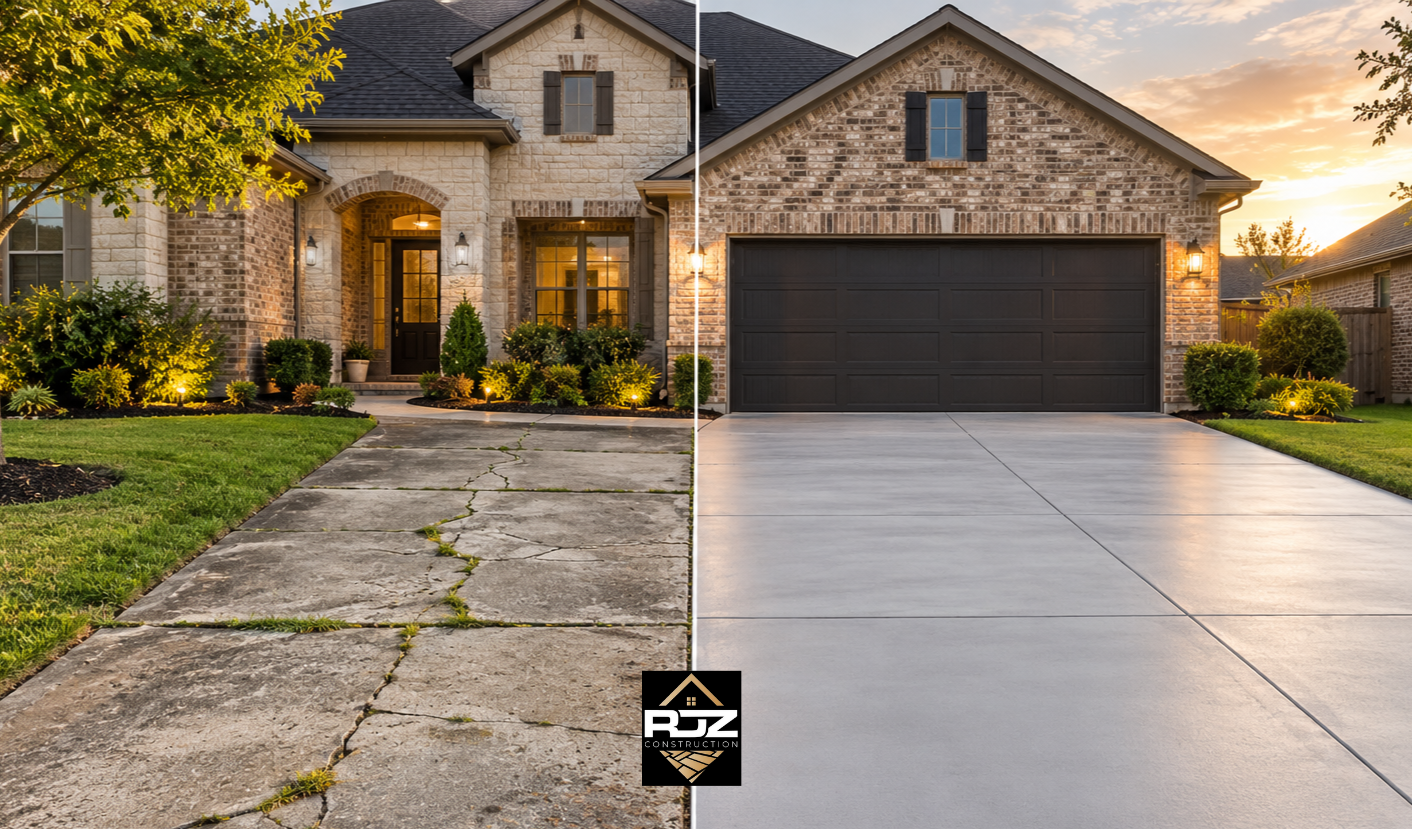
If you're planning an outdoor upgrade and want a tailored approach, explore our driveway builds and replacements for other durable exterior solutions, or learn more about how landscape construction can tie your whole property together.
FAQs About Custom Paver Patios
How Long Does a Custom Patio Installation Take?
Project timelines vary based on size, site conditions, and design complexity. A straightforward patio might move quickly, while a larger project with grading, walls, or lighting will take longer. The planning phase is often just as important as the build.
Are Paver Patios Hard to Maintain?
No, they're generally manageable when built correctly. Basic maintenance includes sweeping, rinsing, and occasional joint or stain care. Proper installation reduces future headaches.
Can a Patio Be Added to a Yard with Slope or Drainage Issues?
Yes, but those issues should be addressed during the design phase. Grading adjustments or supportive structures might be needed to create a level, usable surface. This is where features like retaining walls can make a big difference.
What If I Want to Expand the Patio Later?
That's another advantage of custom planning. A thoughtful layout can leave room for future expansion or additional features. If you think you might add a fire feature, seating wall, or second zone later, mention it upfront.
Bring Your Backyard to Life with RDZ Construction LLC
An empty backyard doesn't have to stay that way. With a custom paver patio, you can turn unused space into a practical, beautiful, and inviting extension of your home. The right design adds structure, improves flow, and gives your property a purposeful feel.
At RDZ Construction LLC, we help homeowners create outdoor spaces that are both finished and built to last. From patios and hardscape construction to broader outdoor improvements, we focus on craftsmanship, durability, and thoughtful design. Ready to stop looking at an empty yard and start enjoying it? Contact us at RDZ Construction LLC or call (773) 412-3149 to start planning your transformation.