Fall Backyard Upgrades Chicago Homeowners Should Consider Before Winter Hits
As the temperatures start to drop and the first frost is on the horizon, it's a good time t o get your outdoor space ready for the colder months. Planning now can save you a lot of hassle come spring, making your yard more enjoyable when the warm weather returns. Fall is the perfect time to check if your outdoor setup is winter-ready. If you're thinking about bigger changes, this might be the right moment to look into professional landscape construction or add some sturdy hardscape elements before the ground freezes.
In this guide, we’ll walk you through five outdoor upgrades to consider before winter. We'll explain why they're important and help you prioritize the changes that will give you the most bang for your buck. You'll also learn which upgrades can improve drainage, safety, and curb appeal, and how to decide whether a simple seasonal refresh or a larger construction project is right for you. For more on seasonal property care, the USDA Natural Resources Conservation Service offers helpful tips on understanding soil, runoff, and site health before winter weather hits.
1. Check Drainage and Fix Water Issues Before Freeze-Thaw Season
Look for pooling water, soft soil, and washout areas.
Drainage problems don’t fix themselves. In fall, heavy rain and early freezes can reveal low spots, soggy patches, and runoff paths that were easy to ignore during summer. If water collects near the foundation, along walkways, or at the base of retaining walls, those areas need attention before winter turns small issues into big repairs. Proper drainage protects both your yard's structure and the safety of those using it.
It’s easy to think a lawn problem is just a grass issue. But standing water often points to a grading problem, compacted soil, or an outdated layout that doesn't handle runoff well. A site review can show whether regrading, trenching, or a more thoughtful surface design is needed. If the issue involves a larger slope or unstable grade, a new retaining wall system can help manage elevation and direct water better.
Why drainage matters more in fall than summer
In winter, water expands when it freezes, which can break pavers, crack concrete, shift borders, and damage patio or driveway edges. Even a minor drainage problem can become a major headache once freeze-thaw cycles start. That’s why fall is the best time to tackle water flow challenges. The earlier you address these problems, the better your yard will hold up through the cold season.
If you're looking for a long-term fix, think beyond quick patches. Adding a proper slope, correcting runoff paths, and using the right base materials can greatly improve your outdoor spaces. Many of these improvements are part of a broader landscape design plan, where function and appearance work together rather than against each other.
2. Protect and Refresh Your Patio, Driveway, or Walkways
Inspect joints, edges, and surface wear.
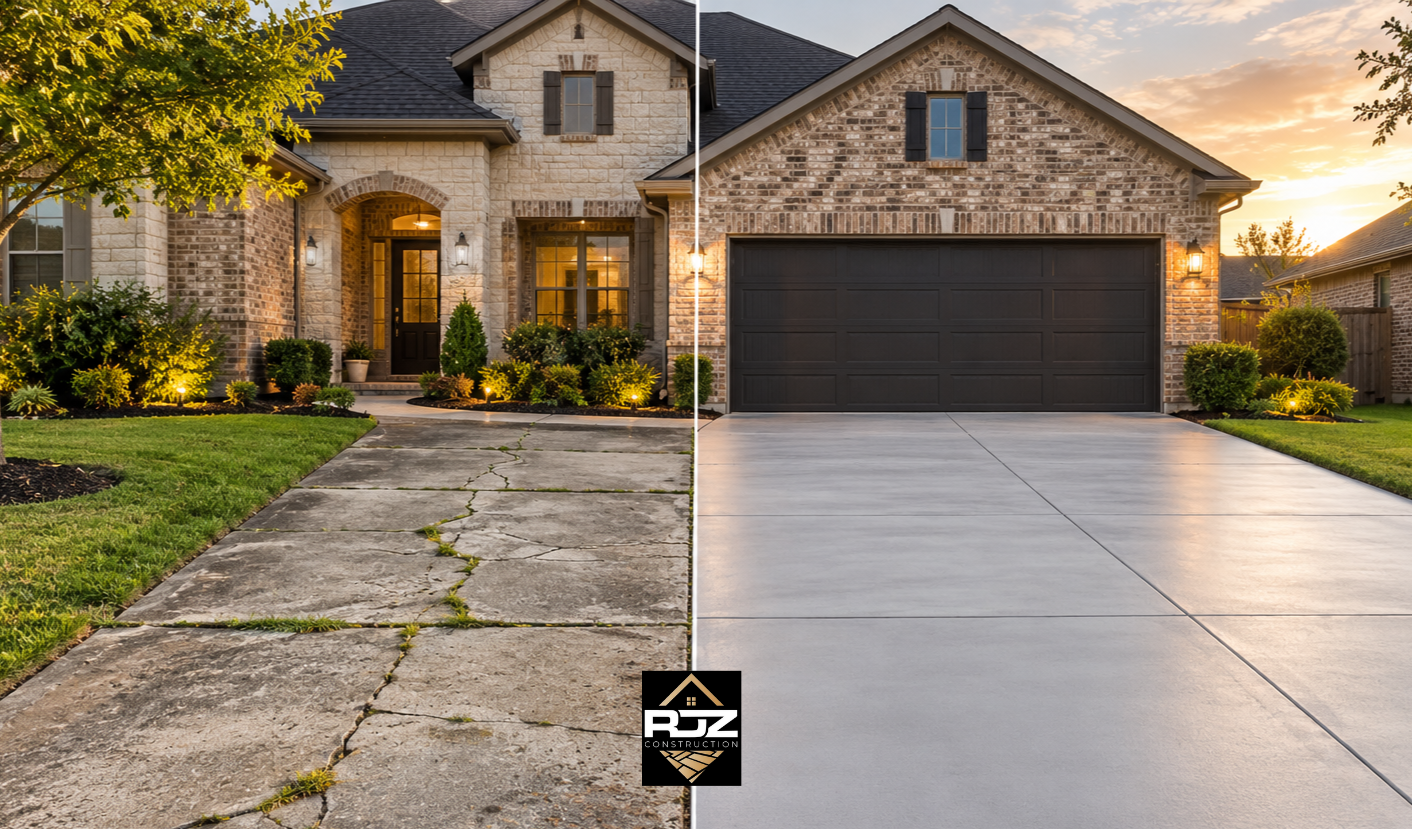
Fall is the perfect time to inspect all hard surfaces for cracks, shifting, and wear. Patios, driveways, and walkways take a beating throughout the year, and even small openings can let in water, causing more damage once temperatures drop. Look closely at edges, seams, and transitions between materials. If the surface is uneven, loose, or sinking in one area, it usually indicates a deeper problem below the visible finish.
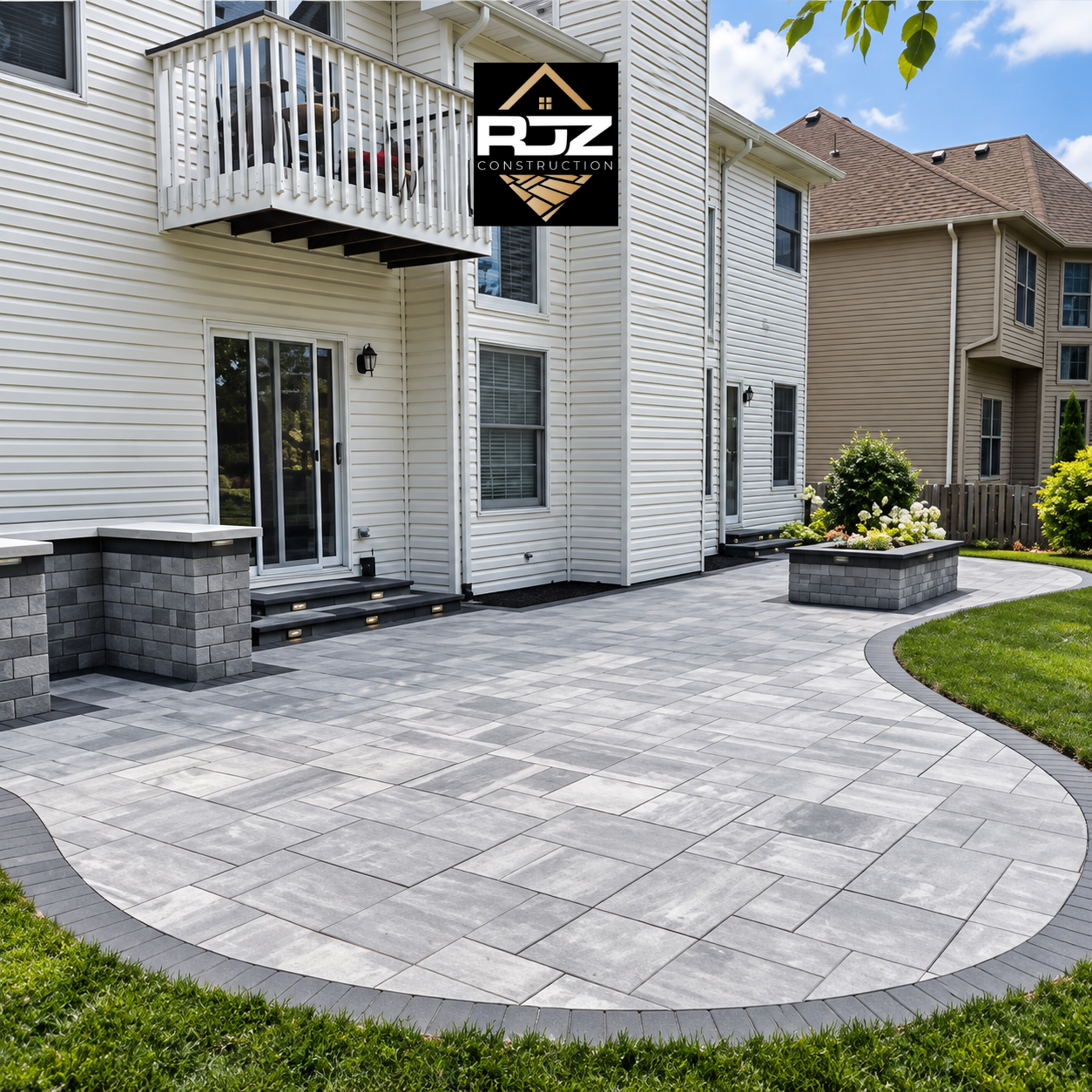
When deciding whether to repair or rebuild, the condition of the base is just as important as the top layer. A surface that looks fine from a distance may still have drainage issues or poor support underneath. This is especially true for custom patios and driveway systems, where durability, slope, and installation quality determine how well the space handles winter stress. If the structure is failing, a patch might only delay a larger replacement.
Use sealing and cleaning to extend material life.
For some surfaces, a professional cleaning and sealing can help reduce moisture penetration and staining. While not every material needs the same treatment, the goal is to create a stronger barrier before snow, salt, and ice arrive. This can preserve appearance and reduce the need for spring repairs. It's also a good time to clear debris from joints and edges, since trapped organic material can hold water and speed up deterioration.
If you're comparing outdoor material choices for future upgrades, knowing how different surfaces perform in cold climates is helpful. The EPA’s stormwater and runoff resources explain how site surfaces influence water management and long-term property health. This knowledge can be valuable when selecting materials that balance beauty, durability, and drainage performance.
3. Add Functional Outdoor Lighting for Safety and Seasonal Use
Improve visibility before the days get shorter.
As daylight hours shrink, outdoor lighting becomes essential. It improves safety on steps, pathways, patios, and driveway entrances while making your property feel more welcoming during the darker months. Fall is the ideal time to add or upgrade lighting since crews can still work efficiently before snow and ice make installation more difficult. Better lighting can also simplify daily routines, like taking out the trash or greeting guests at night.
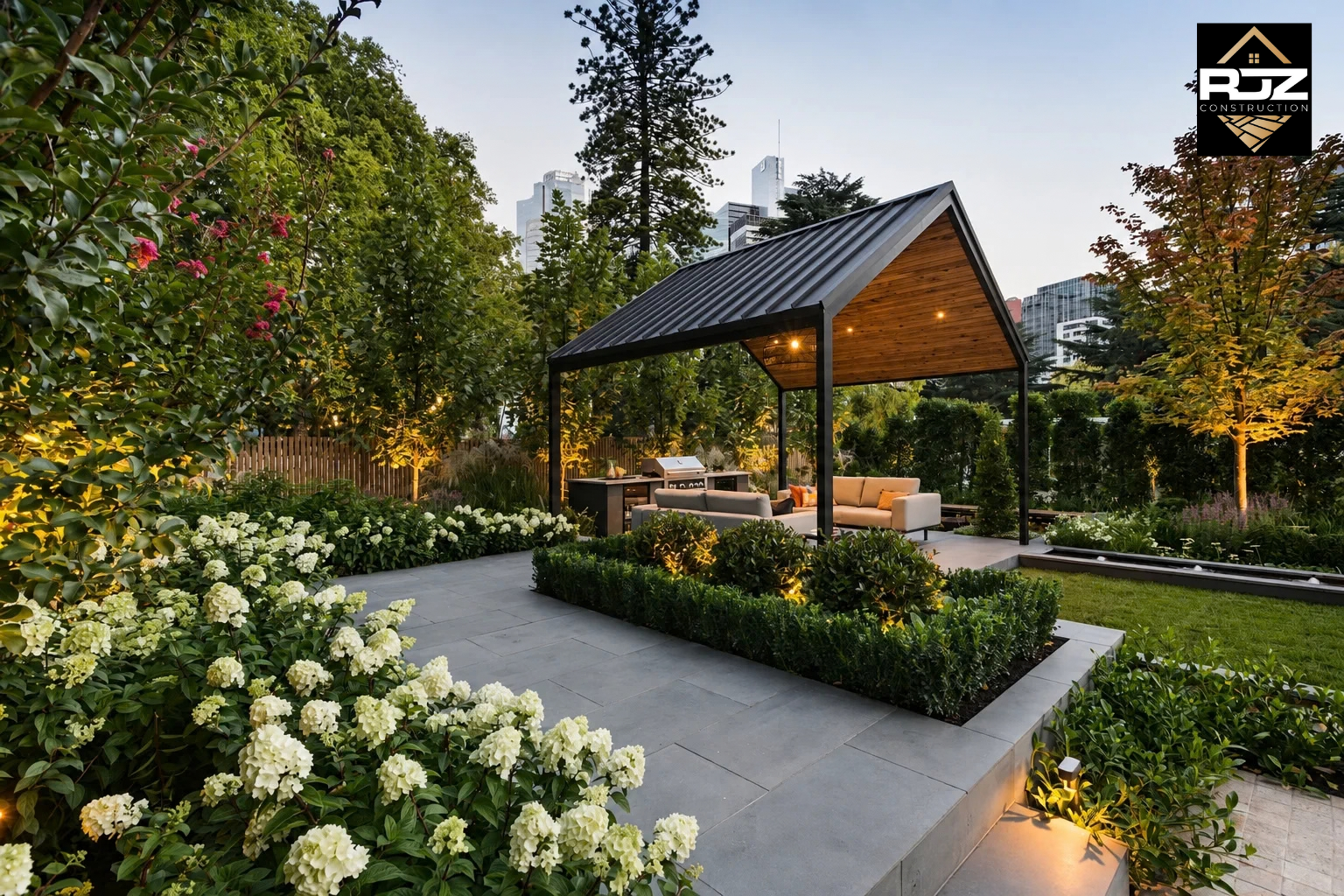
Lighting should be planned strategically, not placed randomly. Entry points, walking paths, gathering areas, and elevation changes are the most important places to illuminate. Soft, layered lighting can highlight key features without overwhelming the space. If your backyard already has good bones but feels unfinished, pairing lighting with finishing outdoor elements can turn it into a more comfortable and functional environment.
Combine lighting with design and security benefits.
Outdoor lighting offers more than convenience. It can increase safety, discourage unwanted activity, and make the property more useful throughout fall and early winter. Well-placed fixtures can also draw attention to stonework, planters, seating areas, and landscape details you want to keep visible after dark. For many homeowners, lighting is the upgrade that makes the entire yard feel more complete.
When considering fixture placement, think about glare, energy use, and maintenance. LED systems are often preferred because they are efficient and long-lasting. To better understand lighting choices and safety considerations, homeowners can check out general guidance from the U.S. Department of Energy’s LED lighting resource, which explains why modern lighting technology is a strong fit for outdoor applications.
4. Strengthen Outdoor Gathering Spaces for Cooler Weather
Make seating areas more comfortable and usable.
Fall isn't just about preparation; it's also about stretching the usefulness of your backyard before winter fully arrives. A seating area that works well in October might feel neglected by November unless it includes the right features. Adding walls, wind protection, or layout improvements can make a patio feel much more inviting when the weather gets brisk. This is especially useful for those who want to keep hosting family and friends outdoors for as long as possible.
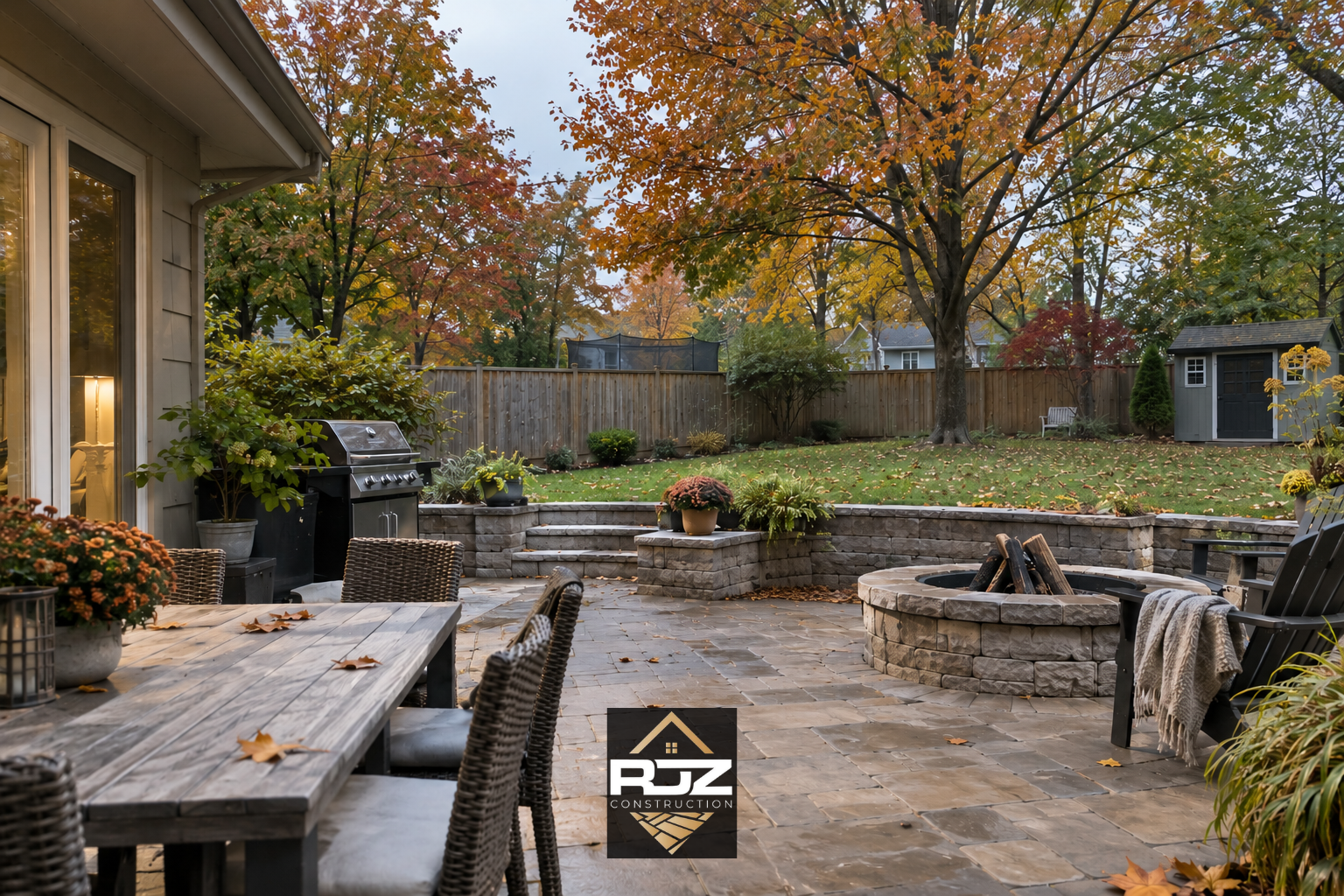
If your current setup feels exposed or disconnected, this might be the right time to improve the layout with built-in seating, perimeter walls, or visual anchors. These upgrades create structure and comfort while making the space easier to maintain. They also pair well with other improvements like walkways, lighting, or upgraded surface materials. For inspiration on more advanced gathering spaces, homeowners often start by checking out ideas around outdoor fireplaces as a focal point for fall use.
Use fire and shelter features to extend the season.
Fire features and protective design details can make a big difference in how long you can enjoy your backyard each year. A well-planned fireplace, seating wall, or sheltered corner adds warmth and function while creating a natural destination for gatherings. If your goal is to get more value from your outdoor investment, these features often provide a strong return in both lifestyle and visual appeal.
For families who enjoy entertaining, season extension is one of the biggest benefits of a thoughtful outdoor upgrade. Rather than letting the backyard shut down after Labor Day, you can keep using it into late fall. That’s why many homeowners choose to combine a fireplace or fire feature with broader landscape construction improvements, creating a finished space that feels intentional and ready for multiple seasons of use.
5. Clean Up, Prune, and Prepare Landscape Areas for Winter
Remove debris and reduce disease pressure.
Plant beds, turf areas, and ornamental edges all benefit from a good fall cleanup. Dead leaves, broken branches, and accumulated debris can trap moisture, create disease conditions, and suffocate plants before winter. A thorough cleanup also makes it easier to spot problems early, like pest damage, erosion, or plant stress. The result is a cleaner property and a healthier start to spring.
Pruning is another important part of fall preparation, but it should be done carefully. Not every plant benefits from a late-season trim, and cutting too aggressively can expose vulnerable growth before frost. This is why many homeowners turn to professional planning instead of guessing what should be cut back. A strong seasonal maintenance plan supports both the health and appearance of the yard, especially when paired with a full outdoor construction plan that considers plant placement and long-term maintenance.
Protect beds, roots, and tender plants.
Mulch, edging, and properly placed plantings can all help shield root systems from harsh weather. For the best results, fall preparation should focus on moisture retention, insulation, and reducing soil disturbance. This is particularly important for newly installed landscapes or areas that experienced heat stress during summer. A healthy winter start often leads to better spring growth and fewer replacement costs later.
According to information from University extension gardening resources, fall is one of the most important times to prepare plants and soil for winter stress. That advice supports a simple principle: the more carefully you prepare landscape beds now, the less damage you are likely to face after snow, wind, and freezing temperatures arrive.
How to Prioritize Your Fall Outdoor Upgrades
Start with safety and structural concerns.
Not every upgrade needs to happen at once. The smartest approach is to begin with the issues that affect safety, drainage, and structural performance. Water problems, unstable surfaces, and poor lighting should move to the top of the list because they can create larger expenses if ignored. These projects also tend to have the biggest impact on how the property functions during winter weather.
Once the critical issues are under control, it becomes easier to focus on comfort and appearance. That is when decorative walls, seating upgrades, and seasonal improvements can be added with confidence. Homeowners who want a roadmap for larger improvements often benefit from reading about planning a landscape construction project before committing to a full redesign. A good plan helps you avoid rework, overspending, and mismatched features.
Build in phases when budget or timing is tight.
Fall is also a practical time to phase projects. You may not need to rebuild the entire backyard this year, but you can still complete the most important upgrades now and schedule additional work for spring. For example, you might fix drainage and lighting this season, then add a patio expansion or seating feature later. Phased planning allows you to keep the space functional while spreading costs over time.
That approach works especially well when projects are designed by a professional team that understands how each element fits into the bigger picture. A great phase-one improvement should still support future additions instead of creating obstacles. This is one reason property owners often look to experienced contractors who can blend planning, construction, and finishing details into one coordinated vision.
Common Mistakes Homeowners Make Before Winter
Waiting until the first freeze to act
One of the biggest mistakes is waiting too long. Once freezing temperatures arrive, many outdoor projects become harder, slower, or impossible to complete properly. Delaying until late fall can also increase costs because emergency repairs often replace planned improvements. Homeowners who act early have more options, better scheduling flexibility, and fewer weather-related surprises.
Another common issue is treating symptoms instead of causes. For instance, patching a crack without correcting the slope or drainage problem behind it usually leads to the same failure later. The same is true for weak lighting, worn borders, and unstable surfaces. Fall upgrades are most effective when they address the underlying condition, not just the visible damage.
Choosing style without considering durability
It is easy to get excited about appearance, especially when designing a backyard that should feel warm and inviting. But style alone will not help a project survive winter. Materials, installation methods, and layout choices all matter when temperatures fluctuate and moisture levels change. The best outdoor spaces combine attractive design with construction that can handle real-world conditions.
That is why homeowners often compare finishes, structural support, and climate performance before making a decision. If you are unsure whether to improve a surface or replace it entirely, it may help to review related resources such as pavers versus concrete when evaluating what will last longer in your yard. Making a durable choice now can save time and money for years to come.
When to Call a Professional for Fall Outdoor Work
Projects that involve grading, masonry, or drainage
Some fall projects are well suited to professional installation from the beginning. Anything involving grading, retaining structures, patios, driveways, or drainage should be handled carefully because mistakes can affect the whole property. Professional crews bring the equipment, materials knowledge, and layout experience needed to make sure the work performs correctly after the season changes.
If you are already thinking about improvements that go beyond cleanup, it can be worth discussing the project with a team that specializes in hardscape construction. When stone, paver, and masonry details are installed properly, they provide both beauty and lasting function. That matters even more in climates where winter can expose weak workmanship quickly.
Projects that should be scheduled before the ground freezes
Fall is also the best time to schedule any outdoor feature that requires excavation or base work. Once the soil becomes too cold or wet, timelines become harder to manage. Planning gives you a better chance of finishing the project cleanly, safely, and on schedule. It also lets you make smarter decisions about materials, placement, and future expansion.
For Chicago-area homeowners, autumn is often the last realistic window to complete meaningful site work before winter. RDZ Construction LLC helps homeowners assess priorities, plan improvements, and build outdoor spaces that are designed for long-term use. Whether the need is a safer pathway, a more functional patio, or a more polished backyard layout, the right fall work can set the stage for a better spring.
Conclusion: A Little Fall Preparation Goes a Long Way
Getting your backyard ready for fall is about more than tidying up. It is about protecting the space, improving safety, and making smart upgrades that help your property perform better through winter. The five outdoor improvements covered here—drainage, surface protection, lighting, gathering space upgrades, and landscape cleanup—can make a major difference in both appearance and durability. When prioritized correctly, they also create a clearer roadmap for future improvements.
If your yard needs more than a seasonal refresh, now is the time to plan. A well-designed outdoor space should be functional, attractive, and built to last through weather changes. Whether you are considering a new patio, better drainage, a retaining wall, or a more complete backyard transformation, fall offers the best chance to start strong. To take the next step, explore our patio solutions, review our retaining wall options, or connect with RDZ Construction LLC to discuss a custom plan for your property.
For more information or to start planning your project, contact RDZ Construction LLC at (773) 412-3149 or email Rdzconstruction96@gmail.com. You can also learn more about our work at rdzconstructionllc.com. A better backyard starts with the right fall upgrades, and the best time to prepare is before winter arrives.
Frequently Asked Questions About Fall Backyard Preparation
What is the most important outdoor upgrade to make before winter?
Drainage usually comes first because water causes the most long-term damage when it freezes. If a yard has standing water, poor slope, or runoff issues, that problem should be addressed before surface improvements or decorative upgrades. Once drainage is under control, other projects tend to last longer and perform better.
Can I complete fall backyard upgrades after the first frost?
Some cleanup tasks can still be done after frost, but construction-based improvements become more difficult. Excavation, grading, planting, and base work are all best completed before the ground hardens. If a project requires structural changes, it is usually smarter to schedule it earlier in the season.
What upgrades add the most value to a backyard?
Patios, lighting, retaining walls, and well-planned gathering areas tend to add strong value because they improve both function and appearance. Buyers and homeowners alike respond well to spaces that feel finished, easy to use, and durable. The best value usually comes from upgrades that solve a problem while also improving the overall look of the property.
How do I know whether my project needs professional help?
If the work involves water management, masonry, grade changes, or complex layout decisions, it is wise to speak with a professional. Even smaller projects can benefit from expert planning if you want them to last through winter and support future upgrades. A professional review can help you avoid costly mistakes and choose the right order of work.