Why Planning Matters Before the First Shovel Hits the Ground
Planning can make a huge difference in how your outdoor project turns out. Without a clear plan, you might end up spending more, facing drainage issues, or creating a space that doesn’t fit your lifestyle. A solid plan lays the groundwork, keeps your budget in check, and ensures every decision leads to a satisfying result.
If you’re thinking about landscape construction, planning is your chance to make smart choices about how people will move through your yard, how private it feels, how easy it is to maintain, and how long it will last. It’s not just about making a pretty yard; it’s about crafting a space that feels right and works well, especially in a place like Chicago, where weather can be unpredictable.
Trends in the industry back up this approach. More people are leaning towards sustainable methods, like using native plants that require less water and maintenance while boosting biodiversity. Green features such as permeable surfaces and roof gardens help manage rainwater. The U.S. Environmental Protection Agency highlights that greener site designs can ease stormwater issues and improve urban resilience. Check out their green infrastructure guidance for more info.
Start With a Comprehensive Site Analysis
Study the soil, drainage, and sun exposure.
Getting to know your site is step one. The type of soil affects plant growth and how stable your hardscape will be. Understanding drainage helps identify where water collects and where you might need to adjust the land before adding patios or walkways. Sun and shade patterns guide what plants to choose and where to put seating for maximum comfort.
A good site analysis takes out the guesswork. Say your yard has dense clay soil; your planting plan needs to consider root growth and drainage. If you’ve got a sloped yard, maybe a retaining wall solution is the way to go to prevent erosion and create usable space. These little details matter more than you might think; they’re the key to a project that’s not only beautiful but also practical.
Look at the property as a whole system.
The best plans see the yard as a connected whole rather than a bunch of separate pieces. For instance, a patio affects how people move, which affects planting beds, which affects grading, and that affects water flow. Looking at the site this way helps you see where to focus your resources and where simpler fixes will do the job.
Documenting existing conditions before starting is smart. Photos, measurements, and sketches of problem areas can make discussions with your contractor clearer and reduce misunderstandings. If you want a design that stands out, a professional landscape design plan can turn those observations into a layout that’s both beautiful and functional.
Define Your Goals, Budget, and Priorities Early
Identify how you want to use the space.
Kick off your project with clear lifestyle goals. Want a spot for family dinners, a peaceful garden retreat, a more attractive front yard, safer walkways, or a place to entertain guests? The answer guides everything from layout to lighting, planting, and built-in features. When your goals are clear, your plan is more efficient, and the result is more useful.
Prioritize what matters most to you. If low maintenance tops your list, focus on native plants, durable pavers, and simple outdoor elements. Want a space for socializing? Invest in a spacious patio, seating area, and maybe a fire feature. Many homeowners find that services like custom patios and finishing outdoor elements set the tone for the whole project because they’re used every day.
Build a budget that supports the right order of work
Budgeting gets easier when you plan in phases instead of treating it as one big expense. Start with essential site work, then move to structural features, and finish with planting and decorative touches. This helps you invest in the parts of the project that are harder to change, like grading and foundational hardscaping.
Managing costs also means knowing where to be flexible. Maybe save room in the budget for upgraded lighting or better hardscape materials if they’ll make a big impact. A well-thought-out plan helps avoid surprise expenses and makes adjustments easier without compromising the project.
Use Sustainable Design to Lower Maintenance and Improve Performance
Choose native and regionally adapted plants.
Sustainable landscaping is becoming the norm for quality outdoor spaces. Native plants fit local conditions, needing less water and chemicals, saving you time and effort. Plus, they support pollinators and ecosystems.
Studies on urban tree canopies and climate resilience show how smart planting can boost neighborhood conditions, reduce heat, and improve life quality. In urban areas, thoughtful planting does more than prettify; it cools and makes spaces livable. Check out this study on Chicago’s urban tree canopy for insights on long-term planning benefits.
Incorporate green infrastructure where it makes sense
Green infrastructure like permeable pavers and rain gardens helps manage water and add visual interest. These features are especially helpful in cities where runoff is a problem. They also reduce stress on traditional drainage systems and improve property performance during heavy rain.
Some projects turn roofs or elevated areas into green spaces. Examples like the West Loop Roof Garden show how creative planning can transform overlooked areas into inviting spots. These case studies show that sustainable planning is practical and can reveal hidden value in tough spaces.
Plan for Hardscape Design Before Choosing Finishes
Hardscaping should support movement and daily use.
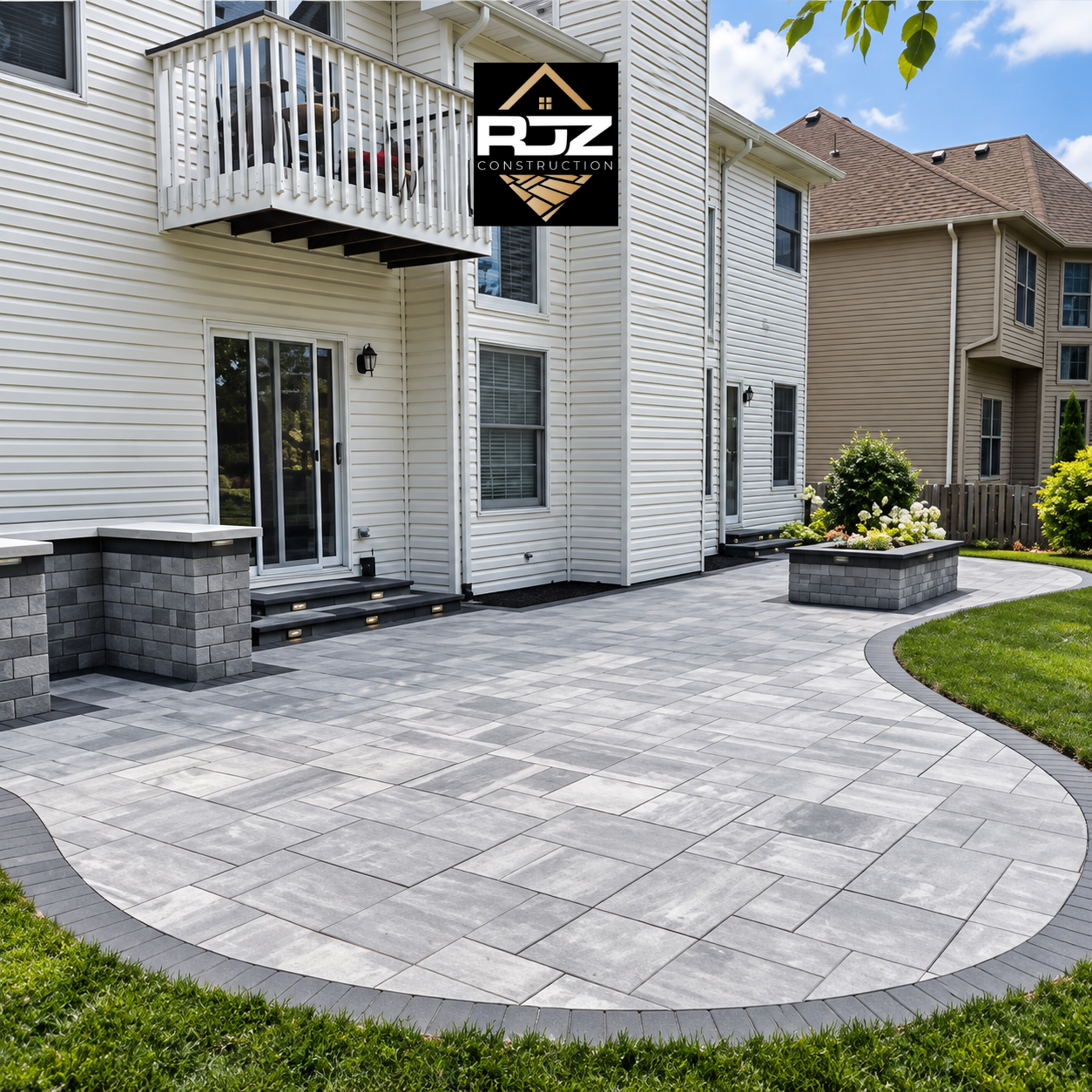
Hardscape design shapes how people move through and use the space. Patios, paths, steps, walls, and driveways should work together for a clear, intuitive flow. If planned without considering traffic patterns, the space can feel awkward, even if it looks good.
Good planning also boosts longevity. Proper base preparation, drainage, edge support, and material choice all start with clear design. Homeowners wanting more than a basic yard often benefit from hardscape construction because it adds order and usability. The most durable projects usually have a carefully studied layout before any installation begins.
Think about transitions between spaces.
Transitions matter because they link practical and enjoyable areas. A patio should lead smoothly into planting beds, walkways should connect to doors and gathering spots, and grading should direct water away from structures. Smooth transitions create a flow that completes the property.
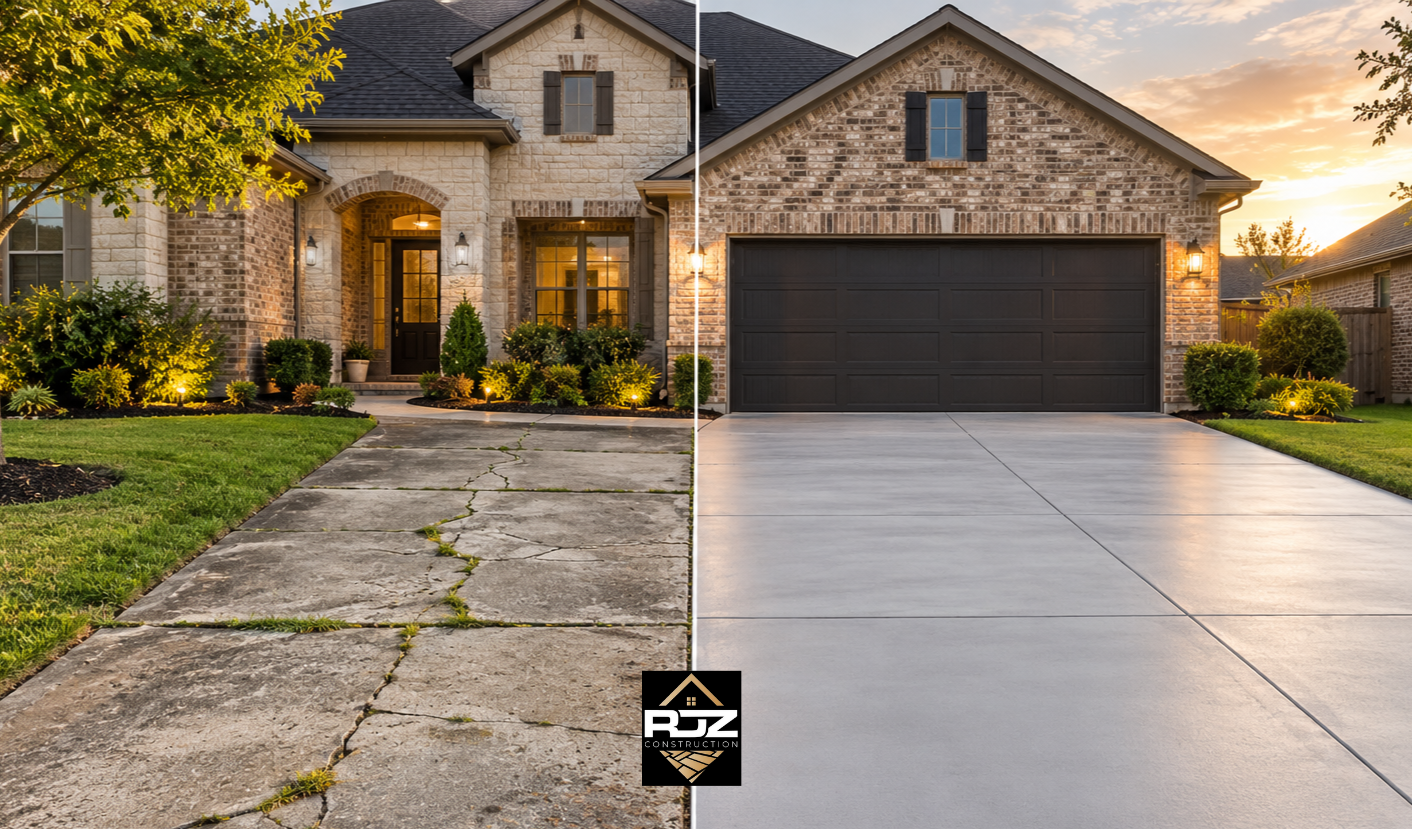
If adding a driveway or other access feature, planning is crucial. Materials, slopes, edges, and drainage all need to support daily use while keeping the property looking good. A well-designed hardscape can make the property feel larger, cleaner, and more navigable, which is why this stage deserves attention.
Why Phased Implementation Reduces Risk and Stress
Break the project into manageable stages.
Not every project needs to be done all at once. Often, phased implementation is smarter because it’s easier to manage financially and logistically. By breaking the work into stages, you can tackle urgent or structural tasks first and add features over time.
This approach is handy when a property needs grading fixes, drainage improvements, or structural hardscape work before adding plants or finishing touches. Starting in the right order avoids wasted effort and helps each phase build on the last. It also makes it easier to adjust if weather, budget, or site conditions change.
Keep room for future upgrades.
A phased plan should feel strategic, not incomplete. When the initial design includes expansion points, the property can grow over time without mismatched spaces. For example, build a patio now and add an outdoor fireplace or lighting later.
This planning helps homeowners make progress without forcing every decision upfront. It’s one of the best ways to balance ambition and reality, especially for larger projects. If you’re interested in features that stand out and extend evening use, future additions like outdoor fireplaces can be part of the plan from the start, even if installed later.
Work With Professionals Who Understand Design and Construction
Why expertise matters from concept to completion
Working with pros can boost the quality of your project. Experienced contractors and designers balance creative vision with site limits, budget, and construction realities. This is valuable when projects involve grading, drainage, retaining structures, or outdoor living spaces.
Pros can spot issues before they become costly mistakes. They know how to pick materials that work, sequence tasks efficiently, and design for maintenance and beauty. In Chicago, where weather can be tough, this experience can make a big difference in the project’s success.
What a strong design-build partnership looks like
It starts with listening. Great teams ask how you use your space, what problems need solving, and what styles you like. Then, they turn those goals into a practical plan that’s easy to build and maintain. This reduces miscommunication and keeps the project on track.
Professional guidance helps with permits, materials, and layout decisions. If you want proof that thoughtful planning pays off, check out expert portfolios and industry examples. Publications like this landscape design profile show how sustainability and creativity go hand in hand when projects are well-planned.
Common Problems That Good Planning Helps Prevent
Budget overruns and scope creep
Without a clear plan, projects can easily go over budget. Homeowners might add features mid-project, switch materials often, or discover essential site fixes were overlooked. Good planning reduces these issues by clarifying the scope before construction starts and setting priorities early.
Scope control is key in outdoor projects because many parts depend on each other. A patio can affect drainage, a wall can affect planting depth, and lighting can affect electrical routing. Planning each detail together helps avoid costly last-minute changes.
Maintenance headaches after installation
Many problems don’t appear right away. They show up later as dead plants, uneven pavers, or spaces that are hard to clean. These issues often stem from poor planning, not materials. A thoughtful design considers long-term upkeep from the get-go, so the finished space is practical.
This means picking materials suited for the climate, selecting plants based on sunlight and water conditions, and designing easy-to-use paths. The goal is a space that’s not just attractive but sustainable in daily life. A well-planned project should make life easier, not harder.
Chicago-Specific Considerations for Better Landscape Construction
Weather, freeze-thaw cycles, and drainage
Chicago properties face real environmental challenges, making planning crucial. Freeze-thaw cycles can stress materials, and heavy rain can reveal poor grading and drainage issues. Design decisions should consider seasonal changes, not just summer looks.
City properties benefit from smart water management, strong base preparation, and plant choices that handle local conditions. Without considering these realities, a project may look good at first but deteriorate quickly. Planning ensures long-term performance, not just immediate appeal.
Urban space constraints and creative solutions
Urban lots need creative thinking due to limited space. This might mean using vertical elements, compact planting, multi-use patios, or terraces for outdoor rooms. It could also mean rethinking grade changes and underused corners to make the property feel larger and more functional.
In Chicago neighborhoods, smart construction can turn awkward spaces into highly useful areas. Whether the goal is better flow, curb appeal, or a refined outdoor living space, planning uncovers opportunities that might be missed. The result is a yard that feels intentional, not improvised.
How to Move From Idea to Action With Confidence
Use a simple planning checklist.
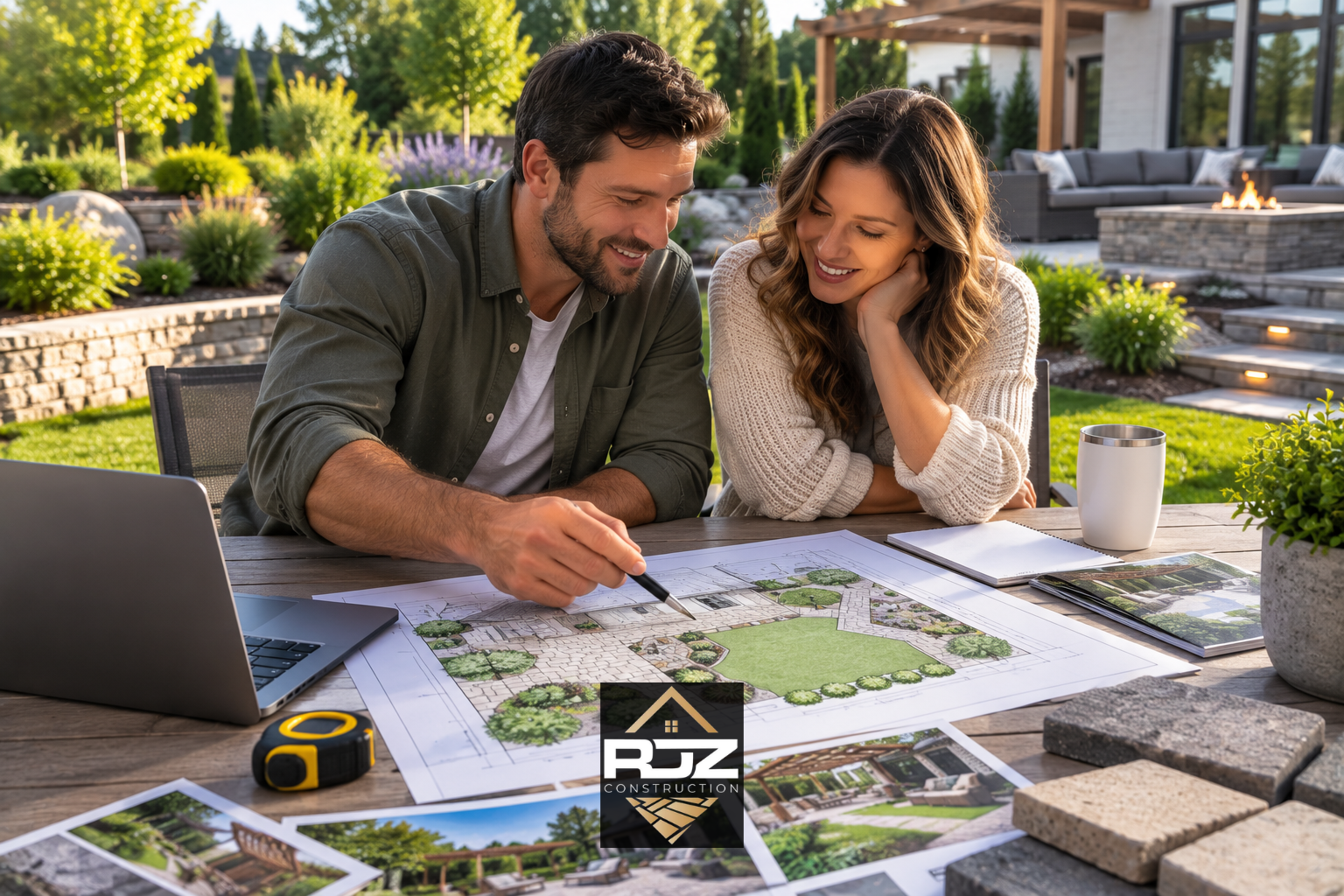
If you’re preparing for a landscape construction project, start with a checklist: site analysis, goals, budget, phase order, materials, and maintenance expectations. Gather photos, measurements, and examples of styles you like, then prioritize features that will have the biggest impact.
Discuss your plan with a contractor who knows both design and construction. Ask how drainage will be handled, how the project can be phased, and what maintenance will be needed. This conversation can save time and money later.
Know when to combine services for a better result.
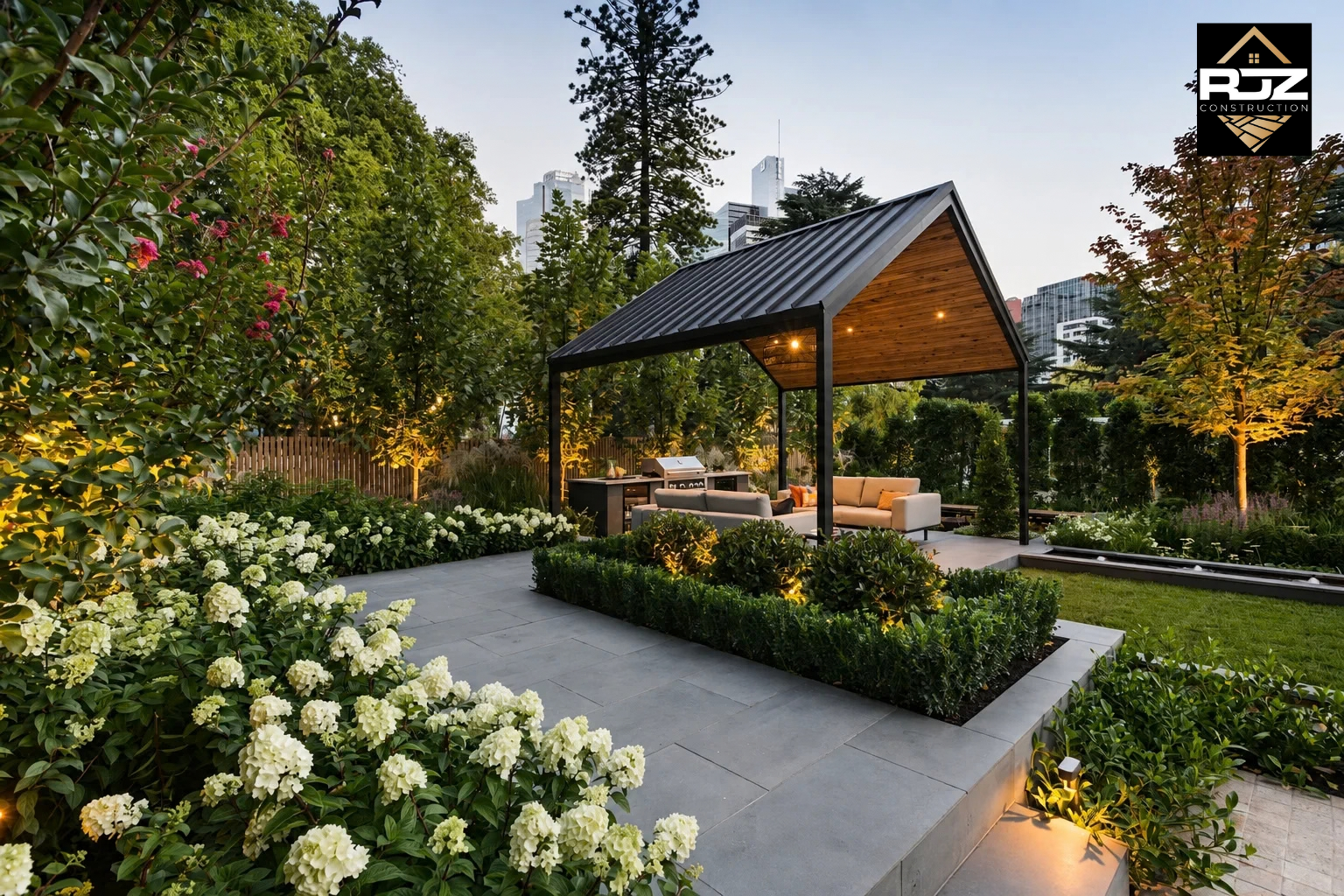
The best projects often combine multiple services into one coordinated plan. A patio might be paired with seating walls, lighting, and planting beds to create a complete outdoor room. In other cases, retaining walls, walkways, and outdoor elements may be combined to solve both functional and aesthetic challenges. Services like outdoor elements can help finish the space with details that make it feel complete.
When features are designed together, they often perform better and look more cohesive. That’s why homeowners who plan carefully tend to be happier with the final result. They’re not just adding bits and pieces; they’re creating a space that fits their life.
Frequently Asked Questions About Landscape Construction Planning
How early should planning begin?
Start planning as early as possible, ideally before any demolition, grading, or material buying. Early planning gives you time to assess conditions, compare options, and set priorities without rushing. It also helps coordinate the right professionals and avoid costly changes later.
What is the biggest mistake homeowners make?
The most common mistake is focusing on looks before function. A yard that looks great but drains poorly, feels cramped, or needs too much upkeep won’t last. Strong planning balances beauty and function from the start.
Can I build the project in stages?
Yes, and it’s often the best way. Phased construction lets you handle structural needs first, then add planting and finishing touches later. It’s a practical way to manage cost while still moving toward a complete vision.
How do I know if I need professional help?
If your project includes grading, drainage, retaining structures, patios, driveways, or multiple outdoor features, professional help is usually worth it. These projects need coordination, technical knowledge, and an understanding of how different systems affect each other. A qualified team can help you avoid mistakes and create a stronger final result.
Final Thoughts: Better Planning Creates Better Outdoor Spaces
Investing in your outdoor space is about how it looks, works, and feels every day. With good planning, the project is more efficient, durable, and satisfying over time. It also helps you stay on budget while achieving a result that reflects your goals.
If you’re ready to transform your property with a thoughtful approach, start with the plan. Review your site, define priorities, and work with a team that knows how design, construction, and long-term performance connect. For a more complete outdoor environment, services like landscape construction can bring your vision to life with precision and care.
To learn more about creating a durable, functional outdoor space that fits your goals, contact RDZ Construction LLC and take the first step toward a landscape that is designed to last.