How High-Quality Construction Boosts Your Home’s Value and Longevity
When you think about upgrading your home, style might be the first thing that comes to mind. But the best home improvements do more than just look good. Quality construction strengthens your home, makes it more functional, and helps it stand the test of time. Whether you're considering a new patio, a retaining wall, or a full outdoor living area, the quality of the construction makes a big difference in long-term value.
In this guide, we'll explore why quality matters, the construction trends shaping the market, how craftsmanship affects resale value, and what to look for when choosing materials and contractors. If you're planning outdoor improvements, services like landscape construction and hardscape construction can create a stronger, more durable home when done right.
According to the U.S. Department of Energy, efficient and durable building practices can reduce long-term costs and improve performance over time, making quality construction a smart financial decision, not just a pretty one. So, if you're weighing your options, remember that the right build can protect your investment for years while making your home a better place to live.
Why Quality Construction Directly Impacts Home Value
Better Materials Mean Better Performance
Quality construction starts with materials that are made to last. Premium pavers, reinforced masonry, proper base preparation, and weather-resistant finishes all contribute to structures that can withstand real-world conditions. This is especially important in outdoor spaces, where surfaces face moisture, freeze-thaw cycles, heavy use, and shifting soil.
When you choose materials carefully, your home gains both visual appeal and structural reliability. A patio built with durable stone and proper compaction will last much longer than a rushed project with thin materials and weak support. The same goes for retaining walls, walkways, and driveways, where hidden construction details often determine how well the finished project holds up over time.
Quality Builds Cut Down on Future Repairs
One of the most overlooked benefits of high-quality construction is lower maintenance. Cheap installations often fail early, leading to recurring repair bills that quickly erase any initial savings. Issues like cracking, settling, drainage problems, and surface separation are common in low-quality outdoor projects, especially when grading and sub-base preparation are ignored.
On the other hand, a well-built structure can stay functional for decades with just routine care. That long lifespan is valuable to homeowners who want fewer disruptions and fewer unexpected expenses. It also appeals to future buyers, who often see a professionally built exterior as a sign that the entire home has been well cared for.
Improved Curb Appeal Boosts Resale Potential
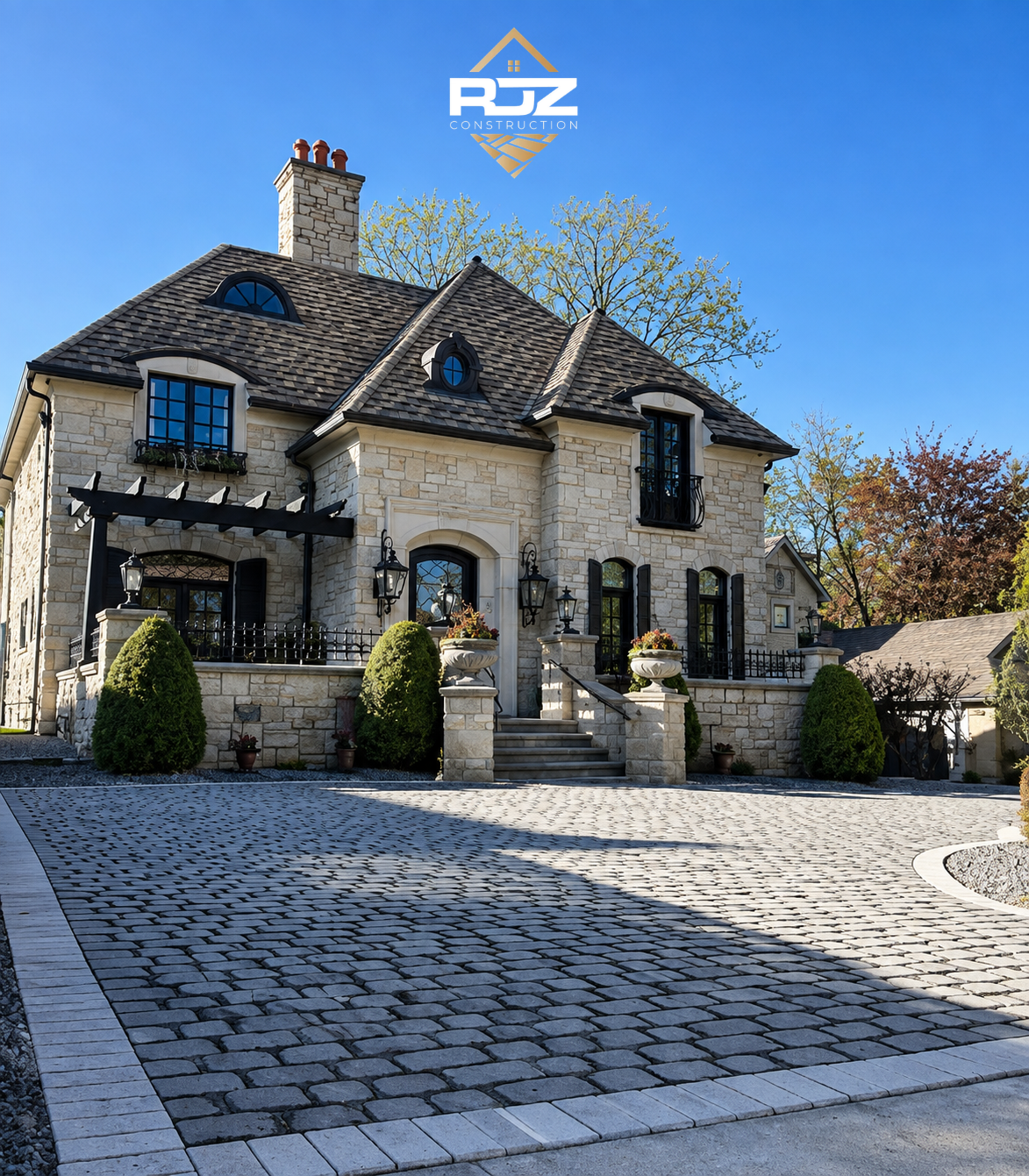
First impressions matter, and the outside of your home is often the first thing buyers see. Clean lines, durable finishes, and thoughtful layout choices signal quality and care. According to the National Association of Realtors, exterior improvements can significantly influence buyer interest and perceived value, especially when they improve both appearance and function.
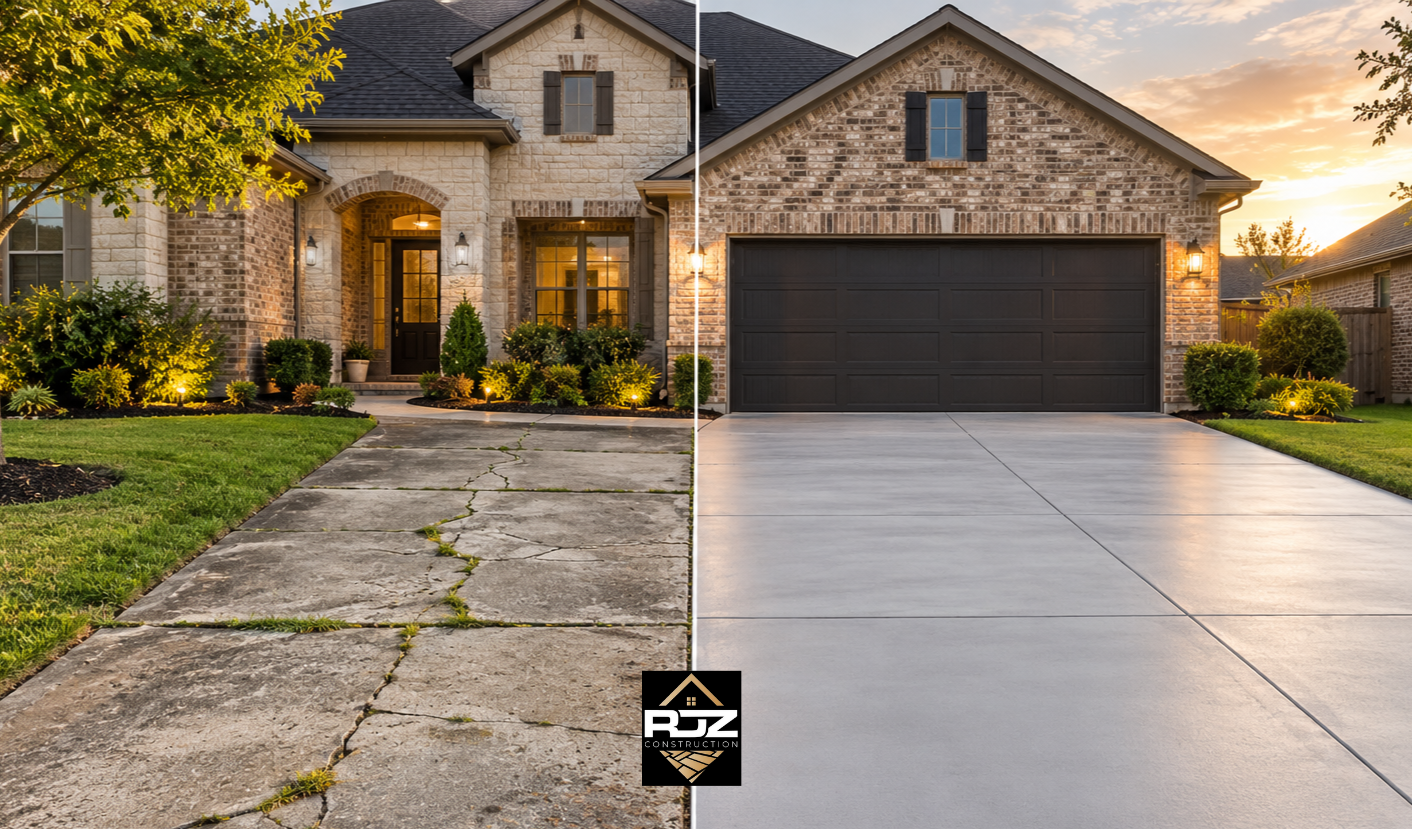
If your property has strong curb appeal, buyers are more likely to connect emotionally with the home before they even step inside. That’s one reason why upgrades like well-designed driveways, walkways, and entry features can have a powerful impact. For homeowners looking for a smart exterior investment, a professionally planned driveway project or custom patio build can enhance both daily use and resale presentation.
Trends in High-Quality Construction
Sustainable Materials and Low-Maintenance Landscapes
A big trend in construction today is sustainability. Homeowners increasingly want outdoor spaces that use fewer resources and require less upkeep. This includes permeable pavers, recycled materials, native plantings, and energy-efficient lighting. Sustainable design isn't just about being environmentally friendly; it also improves the property’s long-term usability.
Native plants are a great example. They typically need less irrigation, adapt better to local conditions, and resist pests more effectively than some imported species. That means less maintenance and lower costs over time. For more guidance on climate-responsive outdoor planning, the U.S. Environmental Protection Agency offers useful sustainability resources that align with long-term property care.
Modern Hardscaping and Structural Features
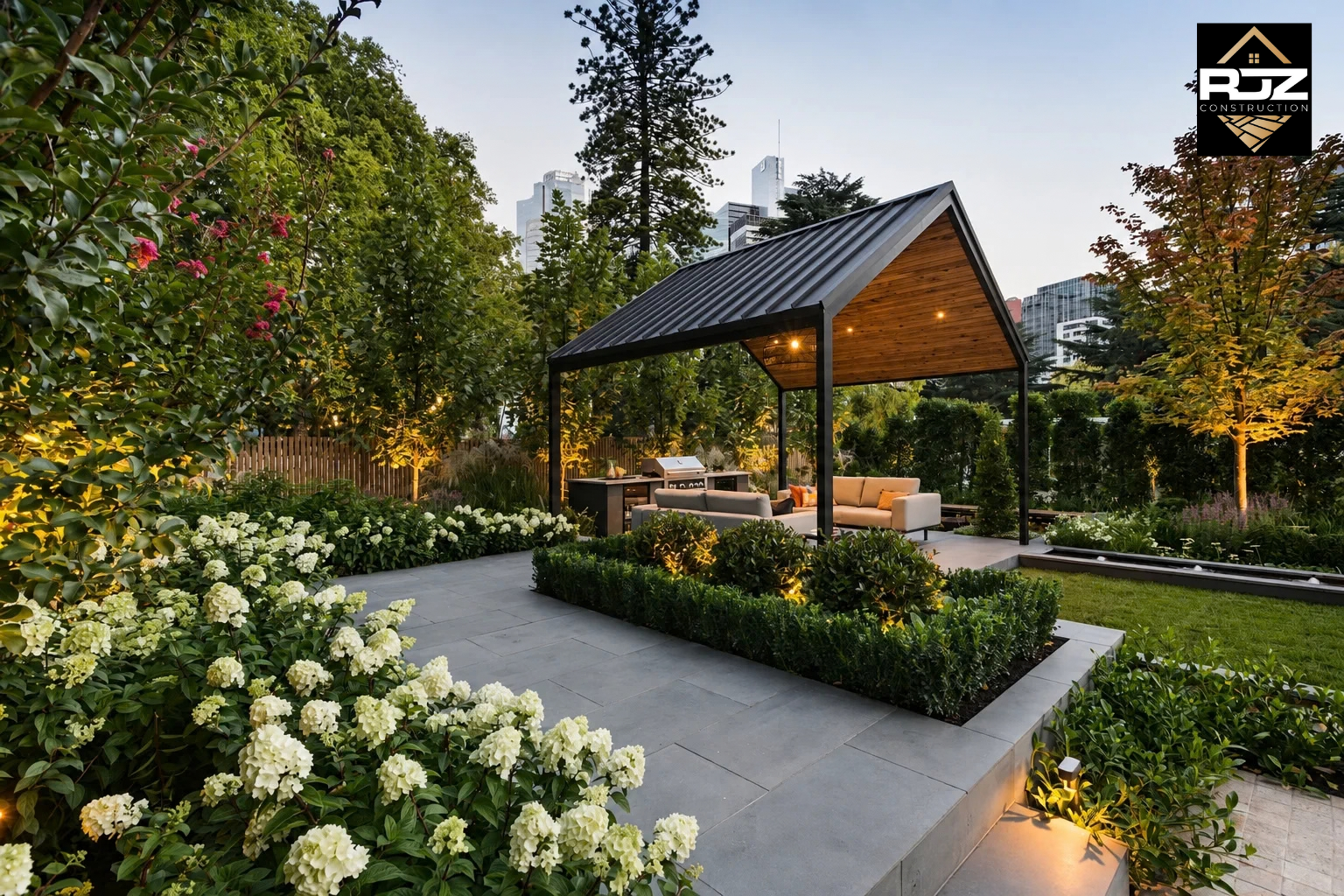
Today’s homeowners want outdoor spaces that are as functional as they are beautiful. This has pushed hardscaping into the spotlight, with features like modular retaining walls, built-in seating, fire features, and integrated lighting becoming more common. These elements help define outdoor zones and improve how the space is used throughout the seasons.
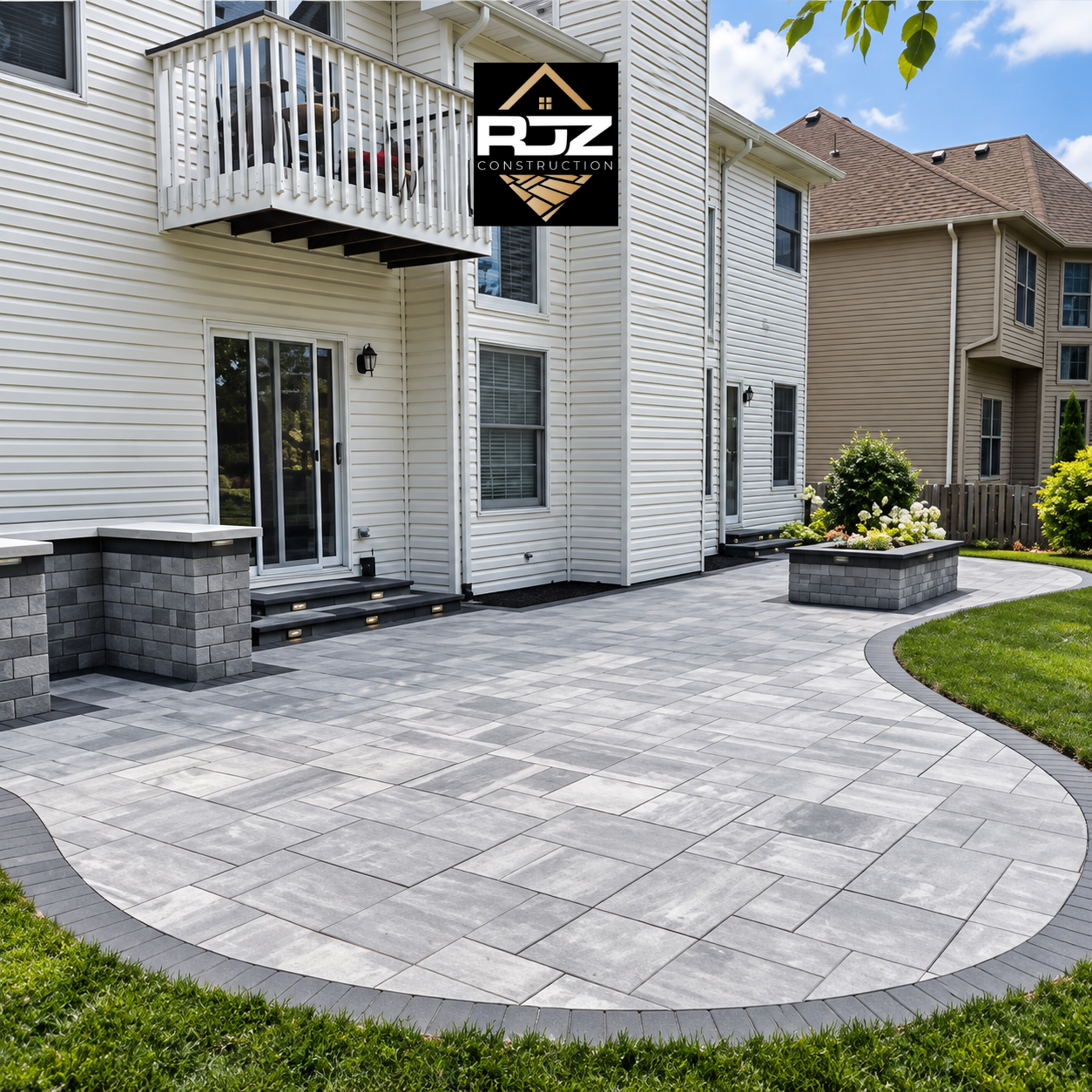
When designed well, hardscaping creates structure and flow. A retaining wall can manage grade changes while also adding visual interest. A patio can serve as an outdoor dining area, a lounge space, or a transition between the home and yard. Adding a fireplace or seating wall through outdoor elements can make the space feel complete and raise the overall property value.
Designing for Climate and Durability
Climate-aware construction is becoming more important as homeowners realize that not every material performs equally in every environment. In places with freezing winters, heavy rain, or shifting soil, the wrong installation can fail quickly. That's why grading, drainage, and base preparation are essential parts of high-quality construction.
In Chicago and similar climates, durability depends on planning for moisture movement, frost heave, and seasonal temperature swings. Projects that account for these factors tend to last longer and require fewer repairs. If the landscape around the home needs more support, retaining walls can improve drainage, stabilize slopes, and protect surrounding structures from erosion.
How Expert Craftsmanship Extends Longevity
Proper Grading and Drainage Protect the Structure
Drainage is one of the most crucial but least visible parts of outdoor construction. Water is often the main cause of long-term damage, whether it leads to soil erosion, foundation stress, surface cracking, or standing water. High-quality construction addresses these issues from the start by directing water away from the home and into safe drainage paths.
Proper grading helps prevent problems before they begin. When water drains correctly, patios stay level, walkways remain stable, and retaining structures are less likely to shift. This is why experienced builders treat drainage as a core construction issue rather than an afterthought. It's one of the simplest ways to extend the life of the entire project.
Precision Installation Prevents Future Movement
Even premium materials can fail if they're installed poorly. Base depth, compaction, joint spacing, edge restraint, and slope all affect how a project performs over time. A paver patio installed without proper compaction may settle or separate within a few seasons, while a well-built one can last for decades.
Precision is especially important for custom outdoor systems that support heavy foot traffic or furniture loads. If you're planning a new outdoor space, working with a team experienced in landscape design can help ensure the project is not just attractive but also built around proper structure, drainage, and practical use.
Experienced Professionals Understand Hidden Risks
Professional builders know where problems tend to appear and how to prevent them. They account for soil conditions, slope direction, freeze-thaw movement, and material expansion. They also understand that the parts of a project you never see often matter most, including base preparation, backfill, and reinforcement.
This is where experience becomes an asset. Reputable contractors don't simply assemble features; they create systems that work together. The difference may not be visible on day one, but it becomes obvious over time when the project remains stable, attractive, and functional year after year.
The Home Value Benefits Buyers Actually Notice
First Impressions Shape Perceived Value
Buyers often form opinions within seconds of seeing a property. A clean, finished exterior suggests that the house has been cared for properly. Well-constructed features help communicate quality before any verbal pitch or listing description has a chance to do the work.
This matters because buyers are usually willing to pay more for homes that feel move-in ready. A polished patio, attractive entryway, and strong curb appeal can make the home stand out in a competitive market. Well-planned outdoor improvements also reduce the number of obvious tasks a buyer expects to handle after closing.
Usable Outdoor Space Adds Practical Square Footage
Outdoor living spaces are increasingly viewed as functional extensions of the home. A well-built patio can serve as a dining room, entertaining area, or quiet retreat. A safe, smooth driveway improves daily access. A retaining wall can turn an awkward slope into a usable terraced area. These features expand how the property can be enjoyed without requiring a full home addition.
For buyers, that extra usability feels valuable because it improves lifestyle. For sellers, it can strengthen marketability and justify a stronger asking price. If the goal is to create a polished, low-maintenance space that supports outdoor living, a project focused on patios and complementary hardscape details often delivers strong appeal.
Well-Built Features Signal Lower Ownership Risk
Buyers don’t just pay for beauty; they pay for confidence. When they see high-quality construction, they assume fewer problems are waiting beneath the surface. That perception can influence everything from offer strength to inspection negotiations.
According to data often cited in remodeling and property improvement discussions, well-maintained outdoor landscaping and hardscaping can deliver a strong return on investment, sometimes as high as 150% in favorable conditions. While results vary by market and scope, the broader point remains the same: quality construction increases confidence, and confidence increases perceived value.
Real-World Examples of Quality Construction in Action
Case Study: A Durable Outdoor Living Upgrade
Imagine a homeowner who invests in a custom patio with proper grading, premium pavers, and integrated seating. In the first year, the space improves everyday comfort and makes entertaining easier. Over time, the project continues to hold its shape and appearance because the installation was done correctly from the start.
Compare that to a budget installation with thin base layers and poor drainage. The initial savings might seem attractive, but by the second or third season, the homeowner may be facing repair costs, uneven surfaces, and drainage issues. This is the difference between buying a short-term upgrade and making a long-term investment.
Commercial-Inspired Quality for Residential Properties
Some of the best residential outdoor projects borrow principles from commercial construction, including structural planning, material durability, and efficient drainage design. Companies such as Twin Oaks Landscaping have built reputations around long-lasting landscape construction that combines function with visual appeal. That same mindset can benefit homeowners who want outdoor spaces that age gracefully.
Another good example comes from urban properties where space is limited, and weather exposure is high. In these situations, every design decision matters. A professionally constructed entry path, retaining wall, or planting layout can make a compact yard feel more usable, more attractive, and easier to maintain.
Urban Durability and Chicago-Specific Conditions
In a city with harsh winters and seasonal weather shifts, outdoor construction has to be especially resilient. Freeze-thaw cycles, road salt, and runoff can damage poorly built exterior features quickly. That’s why quality craftsmanship is so important in local markets like Chicago, where long-term performance depends on both design and execution.
High-quality construction in this kind of environment often includes reinforced bases, proper drainage channels, and carefully selected materials. When those elements are in place, the finished project can remain strong for years. For more on the relationship between construction quality and property performance, the National Renewable Energy Laboratory provides research-backed information on efficient, durable building approaches.
How to Choose the Right Materials and Features
Select Materials Based on Use, Weather, and Maintenance
Choosing the right material is about more than matching colors. The best option depends on how the space will be used, what weather it will face, and how much maintenance the homeowner wants to handle. For example, stone pavers may be ideal for a patio because they handle foot traffic well and can be replaced individually if needed.
For sloped yards, reinforced retaining systems may be necessary to hold grade and prevent erosion. For entry areas and driveways, materials need to withstand repeated loads and seasonal movement. Durable choices may cost more upfront, but they often save money in the long run by reducing repair cycles and premature replacement.
Focus on Design That Supports Function
Good construction does not only mean strong construction. It also means the space works well for the homeowner’s routine. That’s why layout matters so much. A patio should connect naturally to the house. A walkway should guide movement efficiently. A retaining wall should solve a grading issue while still looking intentional and balanced.
Thoughtful planning can also improve safety and comfort. Proper lighting, clear transitions, and stable surfaces make outdoor areas easier to use after dark and during wet conditions. These design choices may seem small, but they contribute significantly to the perceived value of the home.
Balance Budget with Lifecycle Value
It’s tempting to focus only on the lowest bid, but the cheapest project is rarely the best investment. A better way to evaluate cost is through lifecycle value. That means considering how long the project will last, how much maintenance it will require, and whether it will hold or increase property value over time.
If a quality build lasts twice as long and requires fewer repairs, the upfront difference often pays for itself. That’s why many homeowners choose to invest in durable finishes and professional installation rather than risk constant fixes later. Quality construction is less about spending more and more about spending wisely.
Common Questions Homeowners Ask About Quality Construction
Is High-Quality Construction Always Worth the Higher Cost?
In most cases, yes. While not every project requires premium features, the core structural elements should always be done well. The reason is simple: hidden construction problems are usually the most expensive ones to fix. Spending a little more on proper drainage, reinforcement, and material selection can prevent major issues later.
How Do I Know if a Contractor is Reputable?
Look for a contractor with a clear process, strong communication, and proven experience in the type of project you need. Ask for examples of similar work, check reviews, and make sure they explain how they handle grading, drainage, and material selection. Reputable companies tend to be transparent about timelines, scope, and what happens if unexpected site conditions appear.
If you want a company that specializes in long-lasting outdoor work, RDZ Construction LLC focuses on custom hardscaping and landscape construction built around quality, function, and visual appeal. That combination is especially important when your home’s value and longevity are on the line.
What Should I Prioritize First in an Outdoor Project?
Start with the essentials: drainage, grading, and structural support. Those elements protect the investment and determine how the project performs over time. After that, add the visible features that create style and comfort, such as seating walls, lighting, plantings, and gathering spaces.
If your property has grade challenges or water movement concerns, a professionally built retaining wall can be one of the smartest starting points. It can solve a practical issue while also improving the overall appearance of the yard.
Best Practices for Maximizing Value and Longevity
Work with a Design-First Construction Team
Projects last longer when design and construction are aligned from the start. A design-first approach helps ensure that the finished space looks intentional, functions properly, and complements the rest of the property. It also allows homeowners to make smarter decisions before installation begins, which reduces the chance of costly changes later.
In addition, a thoughtful design process can reveal opportunities that are easy to miss, such as better flow from the house to the yard, improved privacy, or room for future upgrades. That’s why many successful projects begin with careful planning before a single material is placed.
Use Phased Improvements When Needed
Not every homeowner needs to complete everything at once. In some cases, phasing a project is the smartest strategy. You might begin with grading and structural work, then add a patio, and later finish with lighting, plantings, or a fire feature. This approach can spread out costs while still maintaining quality at each stage.
Phasing is especially useful for large outdoor transformations because it lets the property evolve without sacrificing long-term goals. The key is to make sure each phase is designed to support the next, so the final result feels cohesive rather than pieced together.
Plan for Maintenance from Day One
Even the best construction needs routine care. Sealing, cleaning, seasonal inspections, and minor touch-ups can significantly extend the life of hardscape and landscape features. When maintenance is planned, the homeowner is less likely to let small issues become major ones.
Simple habits, such as keeping drainage paths clear and checking for early signs of settling, can protect the property for years. In other words, longevity is not only about how a project is built; it is also about how it is cared for after completion.
Final Thoughts: Why Quality is the Best Long-Term Investment
High-quality construction increases home value because it improves appearance, usability, and buyer confidence. It increases longevity because it prevents many of the failures that come from shortcuts, weak materials, and poor installation. For homeowners, that means less stress, lower long-term costs, and a property that performs better over time.
Whether you are planning a new patio, a structural retaining wall, a refined driveway, or a fully integrated outdoor living area, the smartest approach is to prioritize craftsmanship and durable materials. If you're ready to create an outdoor space that looks better and lasts longer, explore RDZ Construction LLC’s services and start with the features that will make the biggest difference for your property.
To learn more about durable outdoor upgrades, consider custom patios, driveway improvements, and finishing outdoor elements that bring lasting value to your home. Quality construction is not just a renovation choice; it is a long-term strategy for protecting and improving your investment.
Ready to build smarter? Contact RDZ Construction LLC to discuss your project, review your property goals, and create a durable outdoor solution designed to add value for years to come.