Introduction: Why a Functional Backyard Matters
Transforming your backyard into a functional outdoor space is more than just adding a patio or planting a few shrubs. It's about shaping an environment that fits your lifestyle, whether that means cooking outside, hosting friends, relaxing after work, or giving kids and pets room to move safely. A good backyard design blends beauty, comfort, durability, and easy maintenance so the space feels inviting in every season.
For many homeowners, the best results start with a thoughtful plan and the right mix of services. Professional landscape design can help define the layout, while hardscape construction adds the structure needed for patios, walkways, retaining walls, and seating areas. According to the U.S. Environmental Protection Agency, using native and climate-appropriate plants can reduce water use and support healthier outdoor ecosystems, making sustainability a smart part of the process from the start. Learn more about water-wise planning through the EPA WaterSense program.
In this guide, you'll learn how to plan zones, choose durable materials, incorporate modern trends, and build a backyard that works in real life. Whether you're looking for a simple upgrade or a complete transformation, the right strategy can turn an underused yard into one of the most valuable parts of your home.
Start With a Clear Backyard Plan
Define How You Want to Use the Space
The first step in any backyard transformation is to figure out what activities the space needs to support. Some homeowners want a quiet retreat for reading and morning coffee, while others need an entertainment area, garden beds, or a safe place for children to play. When you set your goals early, every design decision becomes easier because it's tied to a real purpose rather than just following a trend.
Think about how you'll use the space daily, on weekends, and throughout different seasons. A backyard that works in summer should still feel usable when the weather changes, which is especially important in places with cold winters and windy shoulder seasons. In Chicago, for instance, features like pergolas, outdoor heaters, and wind protection can extend the life of the space and make it comfortable all year round.
Create Zones for Different Functions
Once your goals are clear, divide the yard into zones. A backyard can be organized into cooking, dining, lounging, gardening, and play areas without feeling crowded if the layout is planned well. Zoning helps the yard feel larger because each section has a clear job and a natural flow to the next area.
This approach is also supported by design professionals who recommend mapping use first and aesthetics second. The article Tips for creating a functional and beautiful outdoor area highlights the value of separating spaces by activity, which helps the yard feel organized and easier to enjoy. If you're planning a full build, a coordinated approach through landscape construction can help translate that zoning plan into a finished outdoor environment.
Choose Features That Match Modern Outdoor Living Trends
Modular Outdoor Kitchens for Flexible Entertaining
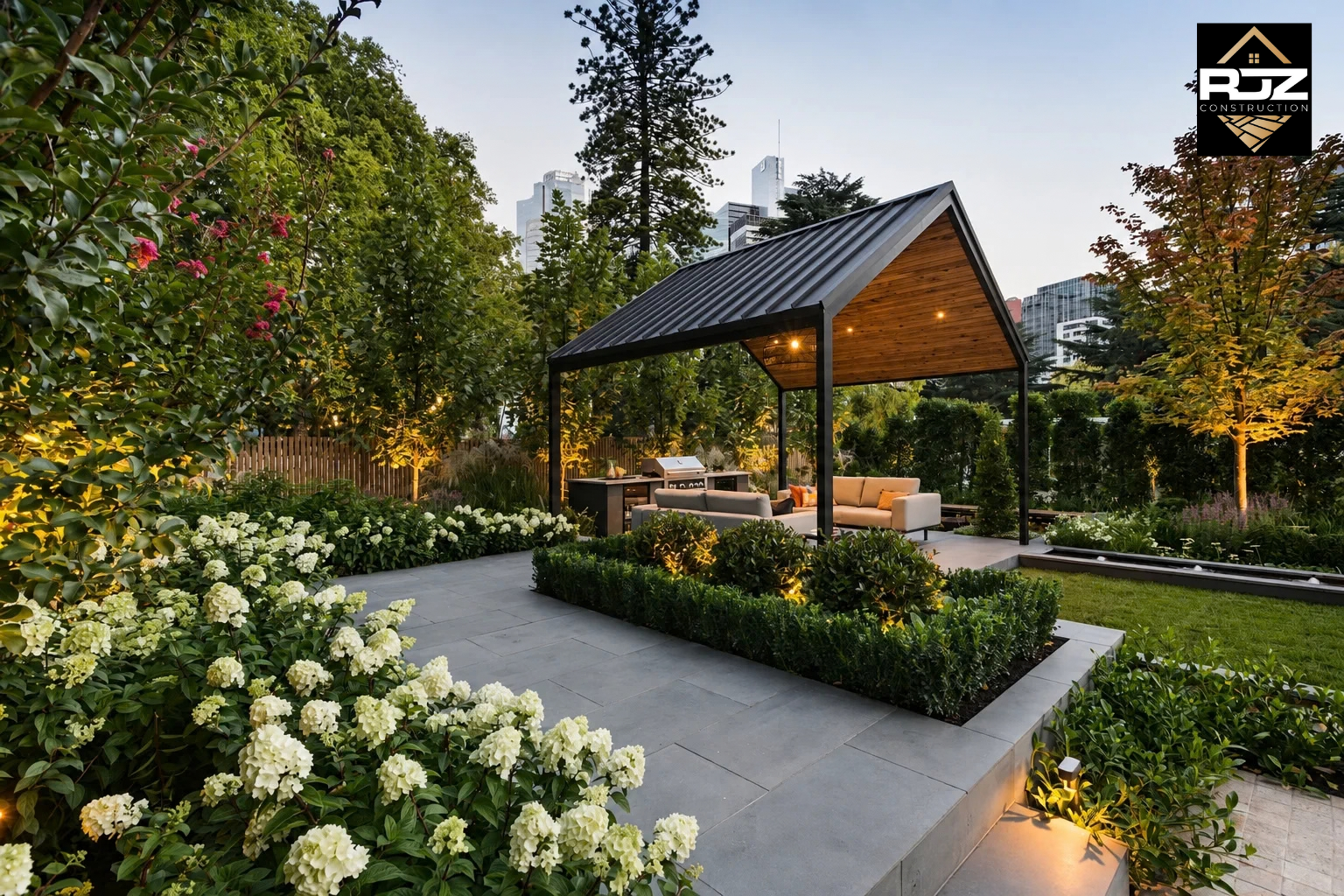
One of the biggest trends in outdoor living is the rise of modular outdoor kitchens. Instead of committing to one fixed arrangement, homeowners can build a kitchen in sections and customize it around how they cook and entertain. These systems often use premium finishes like powder-coated metal, natural wood, and stone, and they can include lighting, storage, prep space, and integrated appliances.
Modular layouts are particularly useful because they allow for future changes. If your needs evolve, the space can be expanded or adjusted without starting over. Home and design reports note that this flexibility is one reason modular kitchens are gaining momentum in 2026, especially among homeowners who want luxury without sacrificing practicality. Pairing these features with a durable custom patio creates a strong foundation for dining and gathering.
Experiential Yards That Focus on Feel
Another important trend is the shift toward experiential yards. Instead of building a yard around isolated features, homeowners are creating outdoor environments that reflect climate, light, planting style, privacy, and movement. The goal is not just to add amenities; it's to build a space that feels calm, connected, and comfortable from the moment you step outside.
This concept is powerful because it helps homeowners think beyond a checklist. For example, a seating area can be oriented to catch evening sun, a garden can be placed where it gets the right amount of shade, and a fire feature can create a natural gathering point. When these pieces work together, the backyard becomes more than a yard—it becomes a destination.
Sustainable and Eco-Friendly Landscaping Choices
Sustainable landscaping continues to grow because it offers long-term benefits for both the homeowner and the environment. Native plants, reduced lawn areas, permeable materials, and efficient irrigation can lower maintenance while improving biodiversity. The trend toward eco-conscious design also aligns with homeowner priorities around water savings, reduced chemical use, and less time spent on upkeep.
The National Wildlife Federation explains that native plants can support pollinators and local wildlife while reducing the need for excessive watering and fertilizer. You can explore more about the environmental benefits of native planting through the National Wildlife Federation’s native plants guide. For homeowners who want a greener yard with less work, this approach is both practical and future-focused.
Select Durable Materials for Long-Term Use
Why Low-Maintenance Materials Matter
A functional backyard should be enjoyable, not exhausting to maintain. That's why the materials you choose matter just as much as the layout. Low-maintenance surfaces reduce seasonal stress, lower repair needs, and keep the property looking polished with less effort. This is especially important for families and busy homeowners who want a beautiful yard without constant upkeep.
Composite decking, natural stone, concrete pavers, and quality masonry all offer strong performance when installed correctly. Each material has its own style benefits, but the best choice is usually the one that balances durability, climate resistance, and maintenance needs. A well-built outdoor area should be designed to handle foot traffic, weather shifts, and regular use without losing its shape or appeal.
Composite Decking, Stone, and Pavers
Composite decking has become a favorite for homeowners who want the look of wood with less maintenance. It resists many common issues associated with traditional lumber, including rotting, splintering, and frequent refinishing. For homeowners who want a clean, contemporary look, it can be a smart option for platforms, transitions, and entertainment areas.
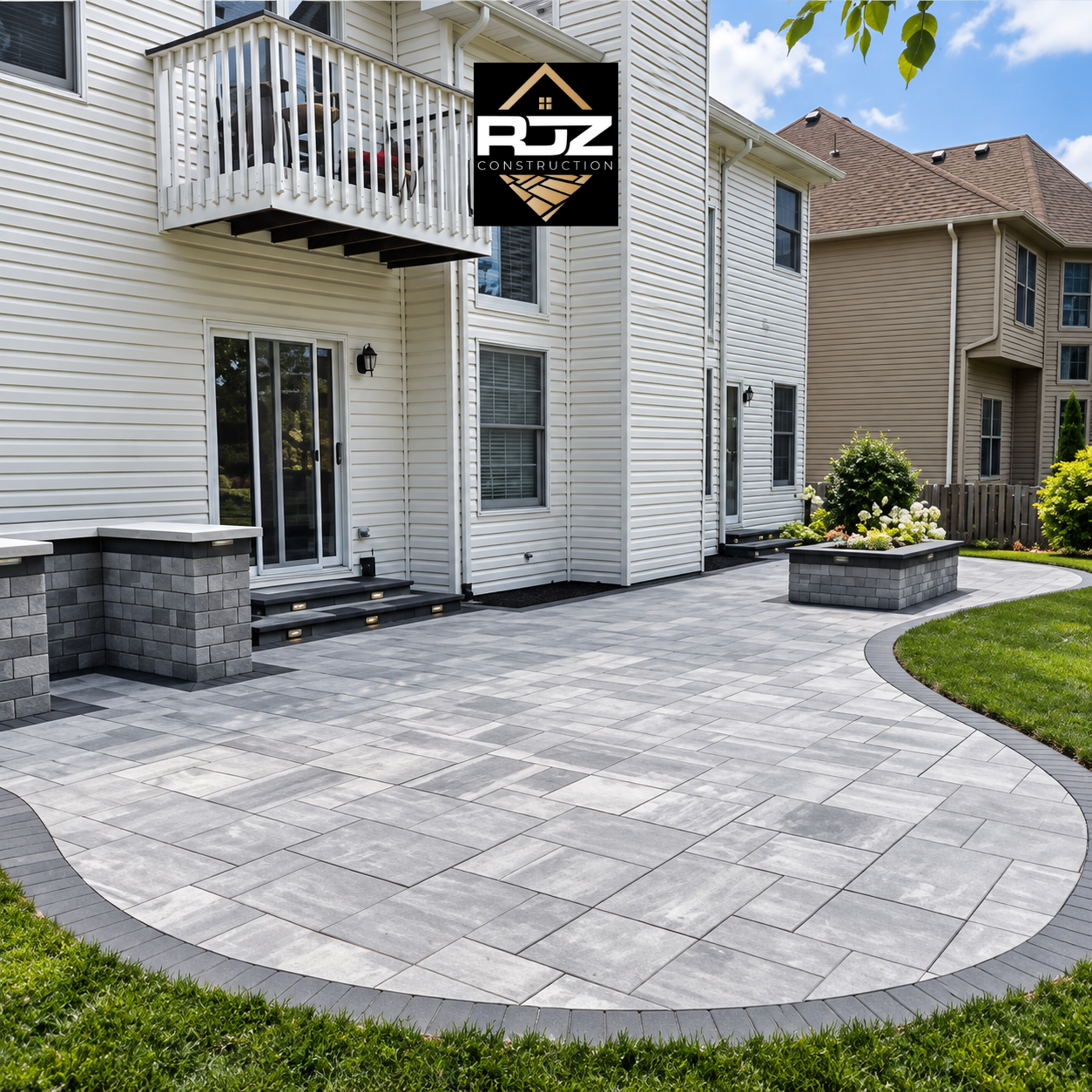
For hardscape surfaces, pavers and stone remain popular because they combine structure with visual appeal. Pavers work well for patios, walkways, and seating areas, while natural stone can add a more refined, timeless feel. If you want to understand why pavers are so effective in modern backyards, see Why paver patios are a hit for modern backyards. Durable surface planning is one of the smartest ways to make the yard look finished while keeping future maintenance manageable.
Retaining Walls and Grade Control
Backyards with slopes, drainage concerns, or uneven sections often benefit from retaining walls. These structures do more than hold grade; they help define outdoor zones, create usable flat areas, and improve the overall appearance of the yard. A retaining wall can turn a difficult hillside into a practical terrace, garden bed, or seating platform.
Properly designed walls also help manage runoff and reduce erosion, which makes them a functional investment. When paired with professional grading and drainage planning, they support both the landscape and the long-term health of the property. For homeowners dealing with elevation changes, retaining wall construction can be one of the most valuable upgrades in the entire project.
Build for Comfort in Every Season
Shade, Shelter, and Wind Protection
Comfort is what transforms a nice backyard into a usable one. If the sun is too intense, the wind is too strong, or the seating area feels exposed, people will avoid the space even if it looks good. That's why elements like pergolas, roof structures, screens, and strategic planting are essential to year-round enjoyment.
In cooler climates, windbreaks and partial enclosure can make a dramatic difference. In warmer seasons, shade structures protect seating and dining areas from heat while still allowing natural light and airflow. When outdoor spaces are designed with climate in mind, they become much easier to use consistently rather than only on perfect days.
Outdoor Heating and Fire Features
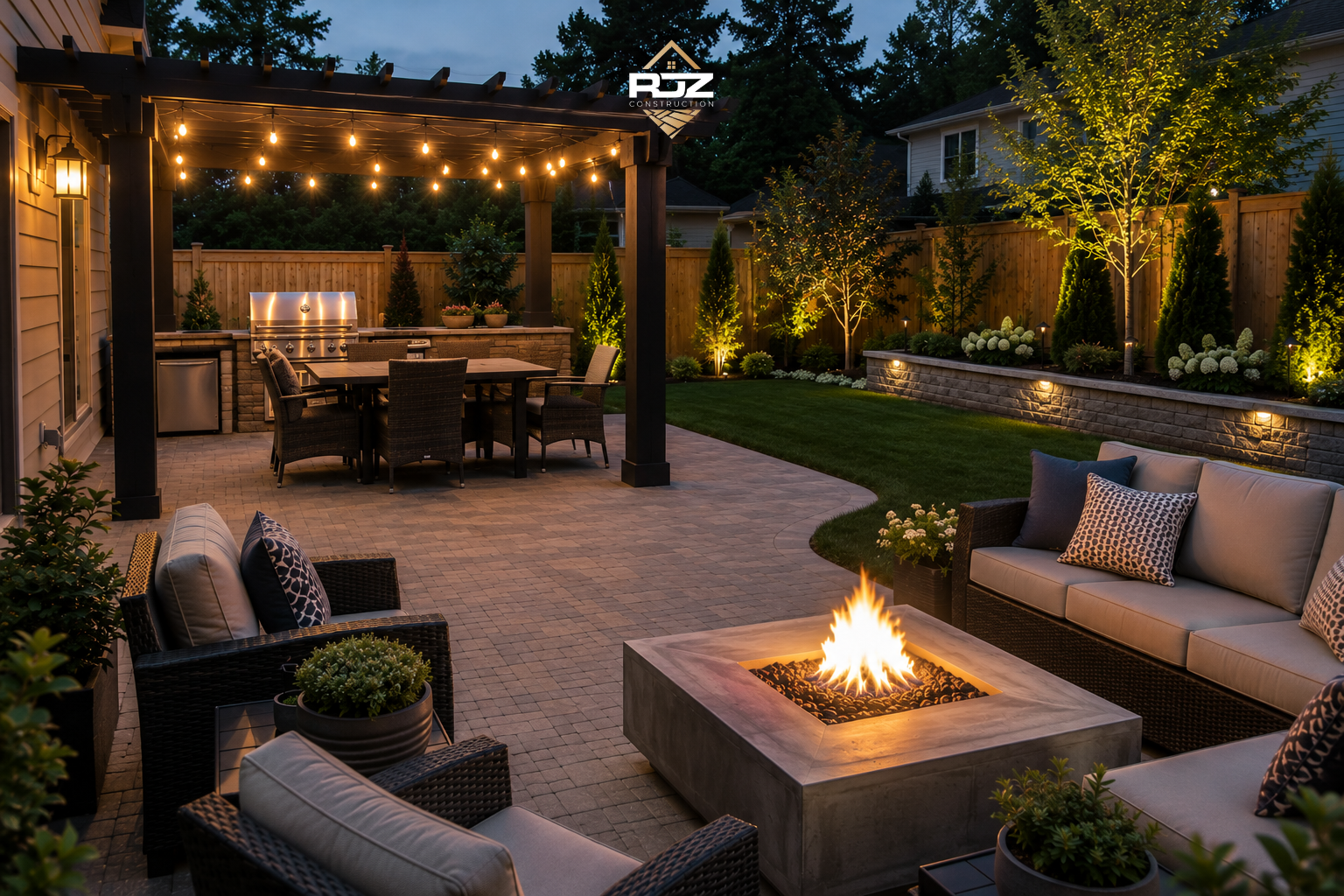
Outdoor heating extends the season and adds a welcoming atmosphere. Fire pits, fireplaces, and integrated heat sources create natural gathering points and make it easier to enjoy the yard after sunset or on cool evenings. They also add visual drama and can increase the perceived value of the outdoor area.
A well-placed fireplace can anchor a lounge zone, while a fire pit can encourage conversation and relaxation in a more casual setting. If you want a feature that combines warmth, style, and social function, explore outdoor fireplaces as part of your backyard plan. These elements are especially useful when paired with seating walls, lighting, and durable paver surfaces.
Lighting for Safety and Atmosphere
Good lighting is one of the most underrated parts of backyard design. It improves safety around steps, paths, and elevation changes, but it also creates mood and extends the time people can spend outside. A layered lighting plan might include pathway lights, accent lighting, task lighting, and soft ambient fixtures.
Lighting should feel intentional rather than overly bright. The best setups guide movement, highlight architecture, and make gathering areas feel inviting after dark. For a cohesive finished result, consider integrating illumination with other outdoor elements so the design feels unified from day to night.
Make the Backyard Easier to Maintain
Reduce Lawn Area Where It Doesn't Add Value
Many homeowners think a great backyard needs a large lawn, but that's not always true. In fact, too much grass can increase watering, mowing, fertilizing, and seasonal cleanup. Replacing underused lawn with patios, planting beds, gravel accents, or groundcover can reduce maintenance while making the space feel more intentional.
This is especially useful for families who want more usable square footage instead of an open patch of grass that is rarely used. A smaller lawn can still provide room for pets or children while allowing the rest of the yard to work harder as an extension of the home. The key is to design with purpose, not just tradition.
Use Native Plants and Resilient Planting Beds
Native plants are a practical choice because they typically adapt better to local weather patterns and soil conditions. They often require less water and can support pollinators, birds, and beneficial insects. A strong planting plan also helps the backyard look full and healthy without demanding constant intervention.
According to U.S. climate and water conservation guidance, reducing irrigation demand is one of the most effective ways to build a more sustainable landscape. That makes native planting especially valuable in regions with hot summers, changing rainfall patterns, or long dry spells. When paired with proper mulch, soil preparation, and thoughtful spacing, native gardens create long-term structure with less upkeep.
Choose Materials That Age Well
Maintenance is not only about planting. It also depends on whether the surfaces, walls, and finishes can stand up to weather and use over time. Materials that fade, warp, crack, or stain easily can quickly make an outdoor space feel tired. Choosing reliable products up front helps the backyard stay attractive for years rather than needing constant correction.
Composite decking, quality pavers, and professionally installed masonry are often worth the investment because they reduce future hassle. They also help the property keep a clean, finished look even after heavy seasonal use. That is one reason many homeowners prefer durable outdoor systems when planning major upgrades.
Think About Value, Flow, and Property Appeal
Backyard Projects Can Improve Resale Value
Outdoor living spaces are not just lifestyle upgrades; they can also contribute to resale value. A 2025 study highlighted in Elle Decor reported that many outdoor projects return a strong share of their cost at resale, especially when the improvements are durable and well integrated with the home. Buyers tend to respond well to usable patios, attractive landscaping, and features that make the property feel move-in ready.
This doesn't mean every project should be designed for resale alone. Instead, it means that thoughtful planning can support both personal enjoyment and long-term financial value. A backyard that is beautiful, practical, and easy to maintain is more appealing to future buyers because it feels like part of the home rather than an afterthought.
Use Flow to Connect the Home and Yard
One of the biggest differences between an average backyard and an exceptional one is flow. The transition from indoors to outdoors should feel natural, with paths, patios, and focal points guiding people through the space. If the movement feels awkward, the yard may look complete but still feel hard to use.
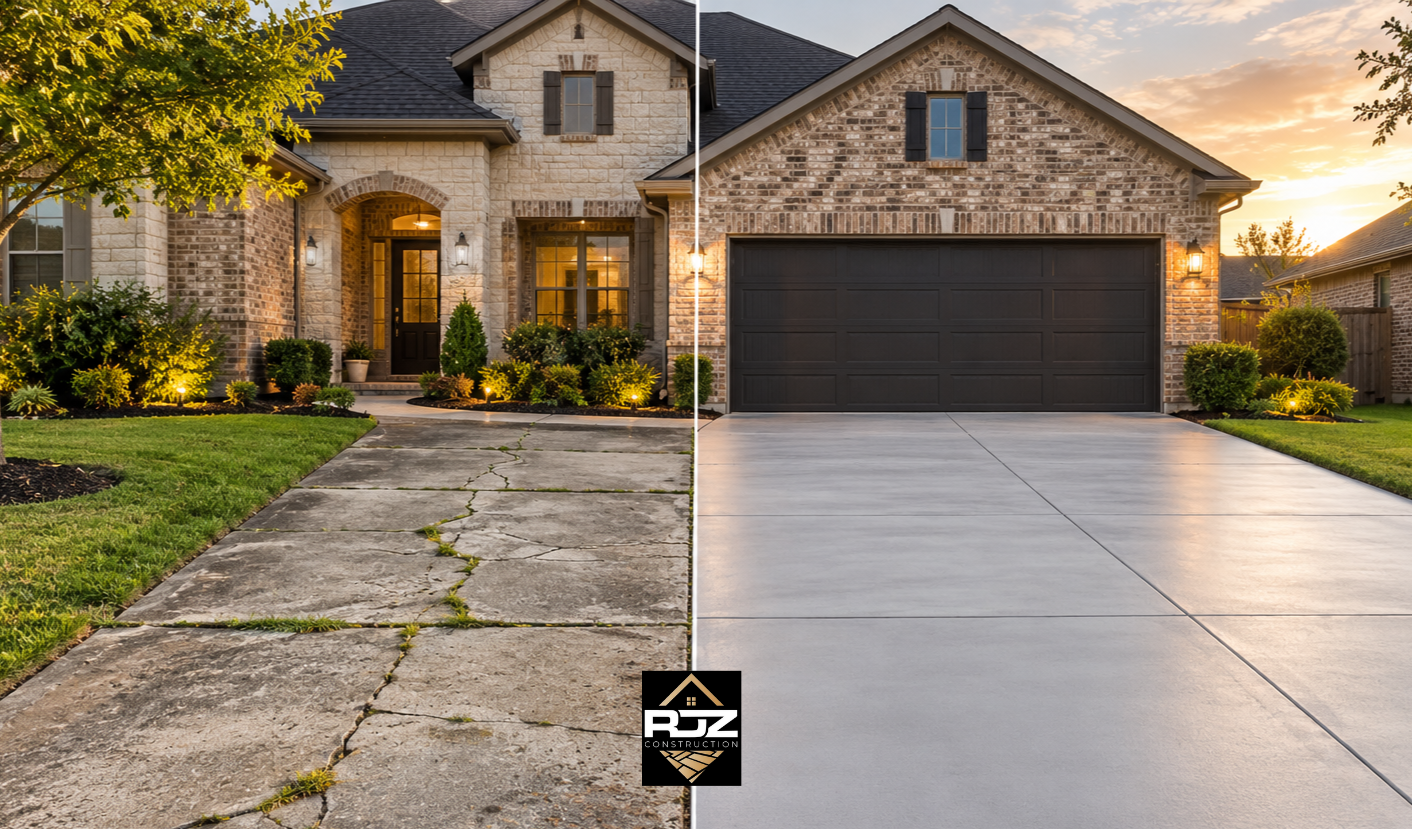
That's why entry points, walkways, and gathering areas must be planned together. Hardscape elements can create a sequence that connects the house to the lawn, garden, kitchen, and lounge areas without confusion. If your project includes access upgrades or structural pathways, driveway and access improvements may also help create a more polished first impression from the street.
Case Example: A Practical Suburban Backyard Makeover
Consider a typical suburban yard that starts with uneven lawn, limited seating, and no clear purpose. A smart redesign might begin by adding a paver patio for dining, a retaining wall to flatten part of the grade, and a small planting plan using native shrubs and perennials. Next, lighting, a fire feature, and a few seating walls can turn the space into something useful for both gatherings and quiet evenings.
That type of project works because every element supports a specific need. The patio handles dining, the wall creates structure, the plants reduce maintenance, and the fire feature encourages year-round use. The result is not just a nicer yard, but a better way to live at home.
How Landscape Construction Brings Everything Together
Why Professional Planning Matters
Backyard transformation is most successful when design and construction are coordinated from the start. A strong plan considers drainage, grading, circulation, lighting, planting, and structure before the first material is installed. Without that coordination, even attractive features can feel disconnected or fail to perform as expected.
That's where professional experience becomes especially valuable. With a project built around landscape construction, the design can be translated into a functional outdoor system instead of a collection of separate upgrades. This approach helps homeowners avoid costly rework and ensures the finished yard holds up over time.
What Homeowners Should Expect During the Process
A well-managed project usually starts with a site assessment, then moves into layout planning, material selection, and phased construction. Homeowners should expect questions about how they use the space, what issues need to be solved, and what aesthetic style they want to achieve. The best projects feel collaborative because the final design is based on both practical needs and personal preferences.
If you're considering a major upgrade, it helps to work with a team that understands how structure, plantings, and outdoor features function together. That includes patios, walls, lighting, fireplaces, and the surrounding landscape. For a broader overview of outdoor value improvements, you can also review Backyard features that boost your home's value in Chicago, IL.
Frequently Asked Questions About Backyard Transformation
How Do I Start Planning My Backyard Transformation?
Begin by listing the ways you want the space to work for you. Decide whether your priority is entertaining, relaxing, gardening, a child-friendly space, or a mix of several uses. Then sketch out zones and identify any issues such as drainage, shade, slope, or lack of privacy.
What Are the Best Materials for Low-Maintenance Landscaping?
Composite decking, pavers, stone, and native plants are all strong choices for low-maintenance outdoor design. These materials are durable, attractive, and easier to care for than many high-maintenance alternatives. The best combination will depend on your site conditions and how much use the backyard gets.
How Can I Make the Yard Usable Year-Round?
Use features that improve comfort in different weather conditions. Pergolas, windbreaks, outdoor heaters, fireplaces, and layered lighting all help extend the season. In colder climates, these elements make a major difference in how often the backyard gets used.
Do I Need a Full Renovation to Improve My Yard?
No, many improvements can be completed in stages. You might start with a patio and lighting, then add plantings, seating walls, or a fireplace later. Phased improvements can be a smart way to spread out cost while still moving toward a more functional outdoor space.
Conclusion: Build a Backyard That Works for Real Life
Turning your backyard into a functional outdoor space is one of the best ways to improve how your home feels and how you use it every day. The most successful projects start with clear goals, move into smart zoning, and use durable materials that support long-term enjoyment. When you combine comfort, sustainability, and good flow, the result is a space that looks great and performs well.
If you're ready to create an outdoor area that fits your lifestyle, start with a plan and build around the features that matter most. Whether that means a patio for dining, a retaining wall for structure, or a fire feature for evening gatherings, each choice should support the way you want to live outside. For expert help designing and building a space that feels complete, explore landscape design and patios as the foundation for your next project, then contact RDZ Construction LLC to bring the vision to life.