Outdoor improvements often get treated like "nice-to-have" upgrades, but in reality, they can be some of the smartest investments a homeowner makes. A well-planned patio, improved grading, a new retaining wall, or a complete backyard transformation can raise perceived value, improve everyday function, and create a stronger first impression the moment someone arrives at the property. In many cases, the return is greater than homeowners expect because buyers do not just see extra square footage outside—they see lifestyle, convenience, and care.
If you are considering upgrades through landscape construction or a more focused hardscape project, the value goes beyond aesthetics. Outdoor work can improve drainage, reduce maintenance, expand usable living space, and make a property feel finished rather than incomplete. For homeowners exploring what matters most, this article explains why outdoor projects often outperform expectations and how to make choices that create lasting returns.
Why Outdoor Projects Influence Property Value So Strongly
They improve both first impressions and daily use.
Real estate value is not based on appearance alone, but curb appeal strongly shapes buyer perception. When a driveway is worn, the front walk is cracked, or the backyard feels unfinished, buyers often assume the rest of the home has been neglected too. By contrast, a property with clean lines, defined outdoor spaces, and well-executed materials signals pride of ownership. That emotional response matters because it happens before a buyer even steps inside.
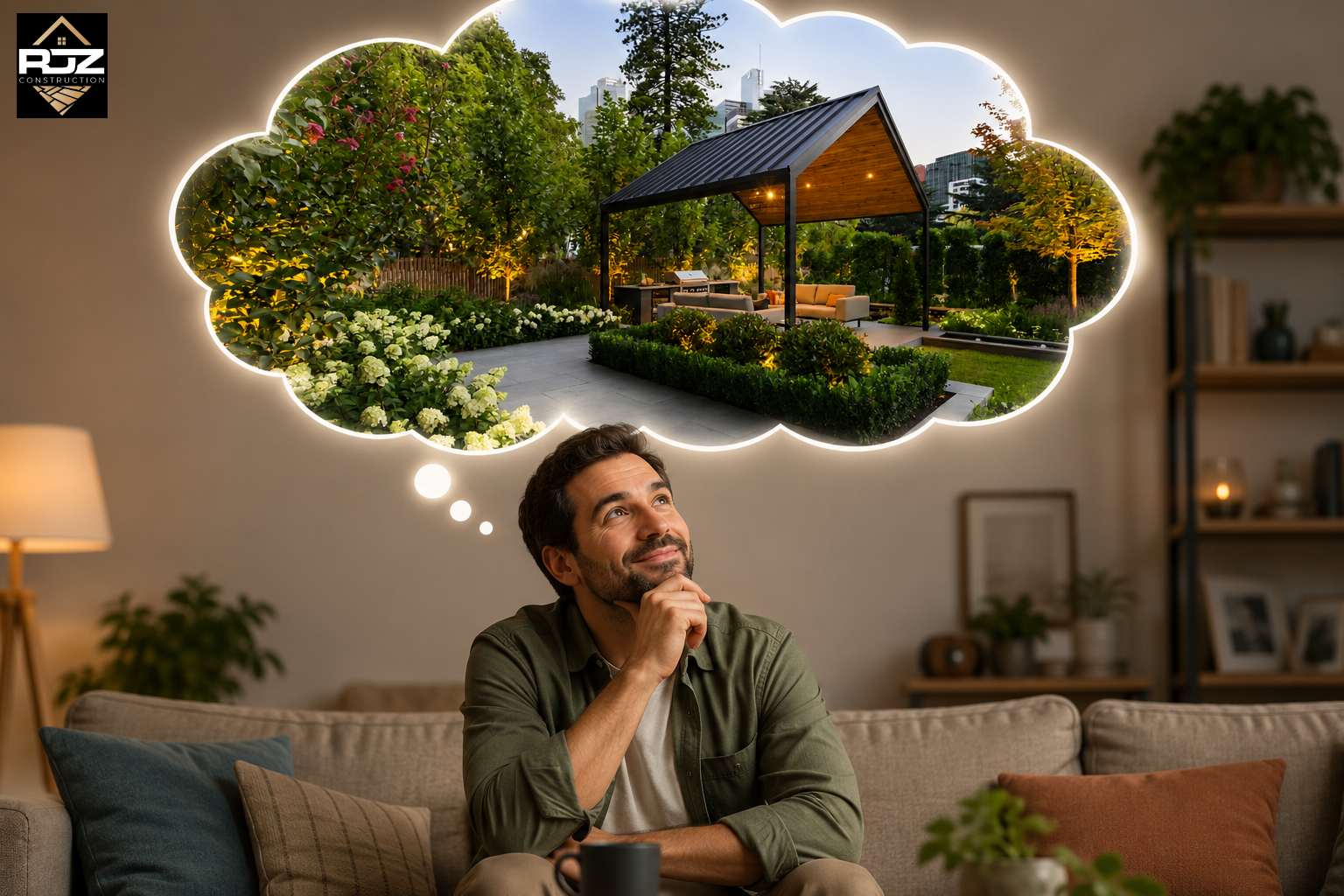
Outdoor projects also add practical value. A backyard that supports dining, relaxing, entertaining, or safe movement is more appealing than a yard that serves no clear purpose. This is why features like custom patios and structured seating areas are so effective: they make the property more livable now while also making it easier to market later. Buyers can picture how the space will fit their lives, which often increases the perceived worth of the home.
They expand usable square footage without adding interior construction.
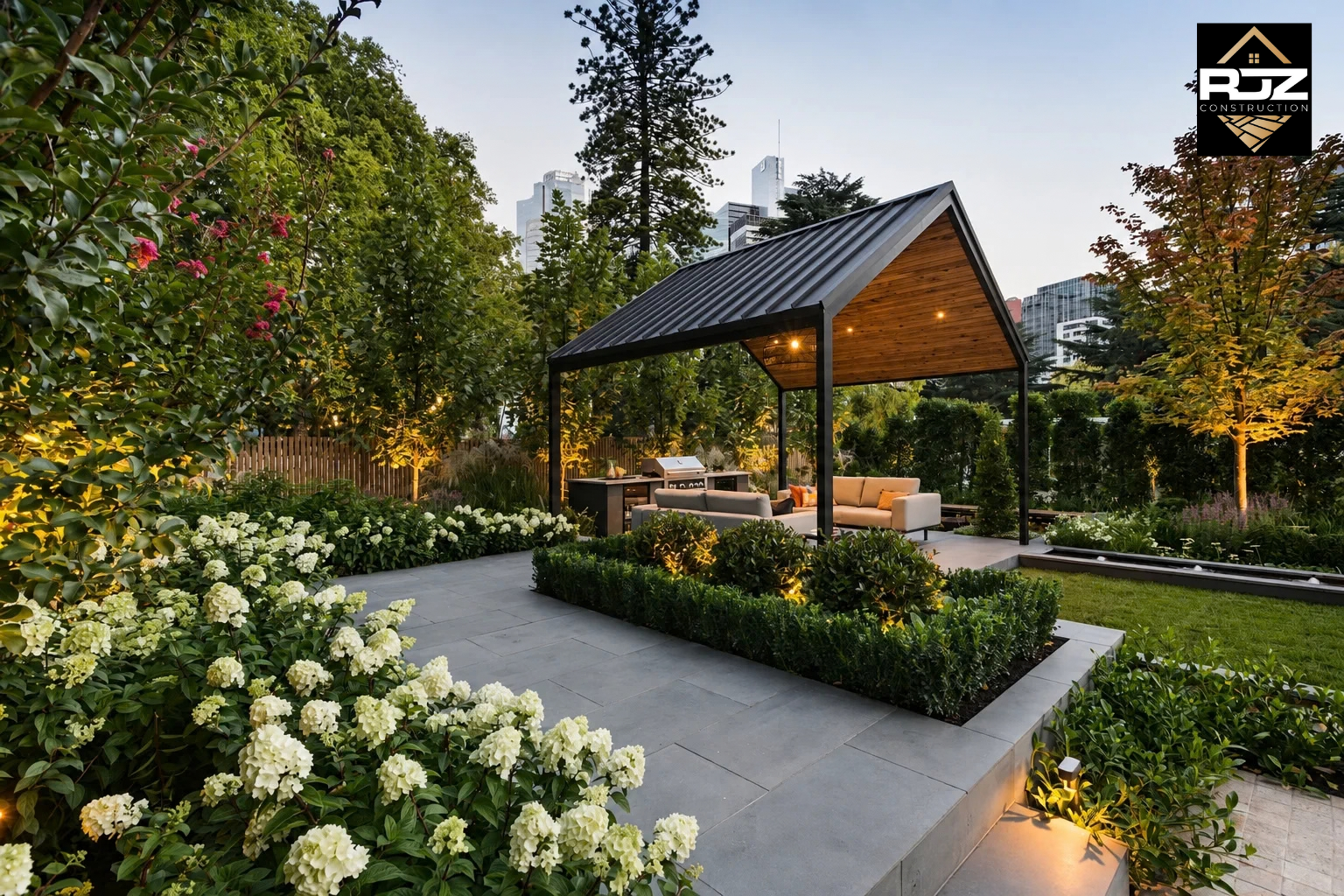
Adding livable space inside a home usually requires major permitting, structural work, and a larger budget. Outdoor projects offer a more flexible path. A well-designed outdoor room can function like an extension of the kitchen or family area, especially when it includes seating, lighting, and protection from wind or heat. This creates an experience that feels bigger than the actual footprint.
According to the National Association of Realtors, many outdoor upgrades deliver meaningful appeal during resale because buyers value functional spaces they can use immediately. The return is not only financial. Homeowners also benefit from daily enjoyment, which makes the improvement more valuable over time than a purely cosmetic renovation.
Current Outdoor Living Trends That Are Driving Demand
Homeowners want multi-use spaces.
One of the biggest trends in recent years is the shift toward flexible outdoor living. People want spaces that can handle weekday dinners, weekend gatherings, quiet mornings, and seasonal entertainment. That means outdoor areas are being designed as true living zones rather than simple decorative yards. As this trend grows, buyers increasingly view finished outdoor environments as part of the overall home experience.
This is where thoughtful landscape design becomes essential. A great layout considers traffic flow, privacy, planting structure, and where people naturally gather. Instead of adding random features, a strong plan connects everything so the yard feels intentional. That type of design is much more likely to create a premium look and a stronger return.
Durable, low-maintenance materials are more popular than ever.
Modern buyers want outdoor features that look good without creating a long list of chores. That is why durable pavers, reinforced masonry, and climate-conscious planting plans are gaining momentum. People are willing to pay more for beauty, but they also want convenience. A yard that requires constant repair or complicated upkeep can actually reduce value, even if the design initially looks impressive.
For this reason, hardscape construction has become a major value driver. Stonework, patios, retaining walls, and walkways create structure that holds up well under regular use. When built correctly, these features give a property a polished look while reducing the ongoing maintenance burden. That combination is exactly what many buyers are searching for today.
Sustainable design is becoming a selling point.
Homeowners are also paying more attention to rain management, native plants, and environmentally responsible layouts. Sustainable design is not just about being “green”; it often improves performance and lowers long-term costs. Better drainage, stronger soil control, and lower water demand all contribute to a healthier property.
Research published through academic and public sources has repeatedly shown a positive relationship between green space and property performance. For example, studies indexed in peer-reviewed journals and academic databases such as IDEAS/RePEc have documented how urban vegetation and nearby green infrastructure can influence housing prices. The lesson for homeowners is simple: thoughtful planting and landscape structure can support value in ways that go well beyond visual appeal.
Which Outdoor Projects Tend to Deliver the Best Return
Patios and gathering areas
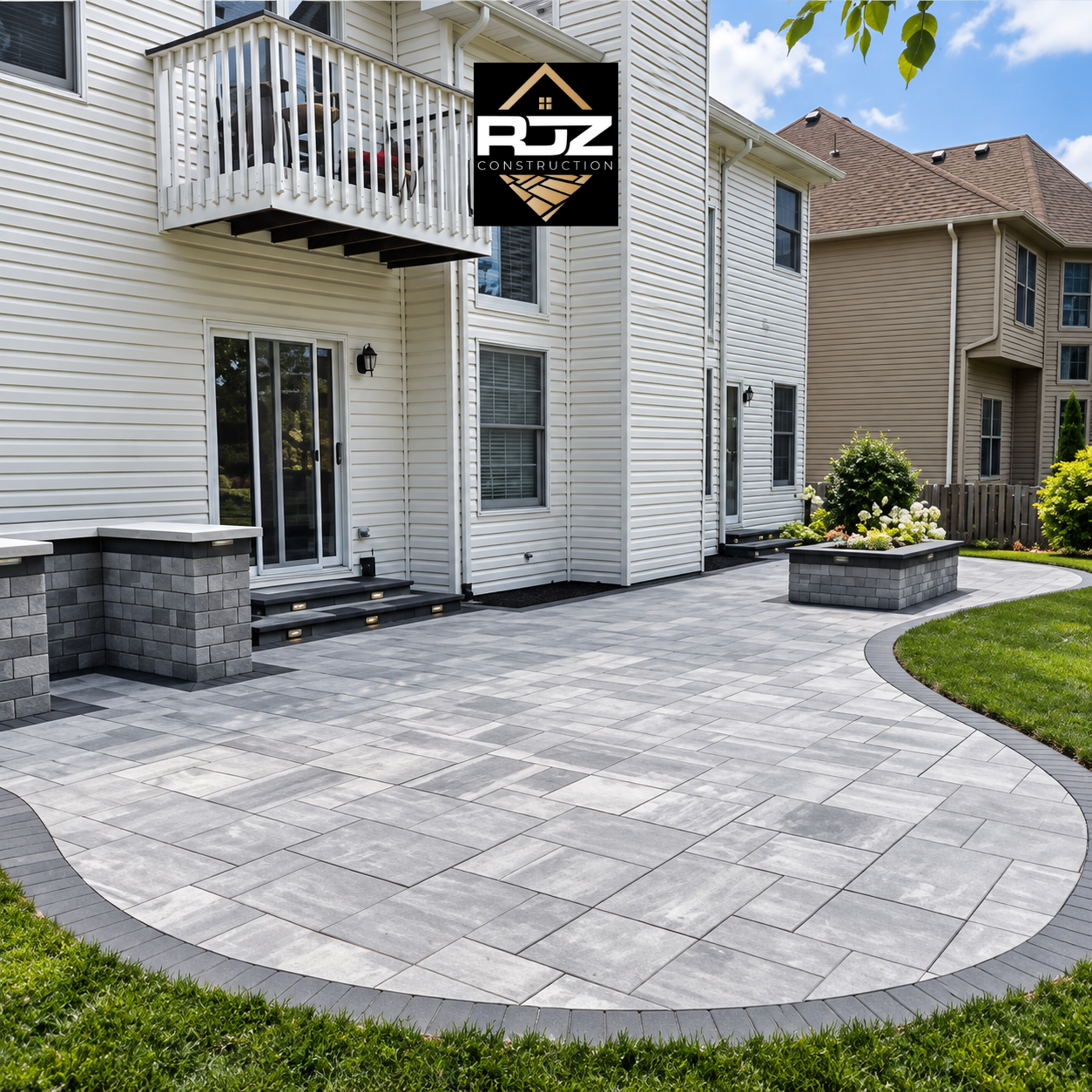
Patios remain one of the most reliable value-adding upgrades because they create a clear use case. A patio tells buyers exactly where people can gather, eat, and relax. It also provides a visual anchor that organizes the rest of the yard. When built with quality materials and proper grading, it feels like a natural extension of the home.
A well-placed patio can also support other features such as seating walls, planters, lighting, and fire features. This allows the property to feel more complete without requiring a full-scale renovation. For readers interested in modern outdoor surfaces, our guide to why paver patios are a hit for modern backyards explains why this category continues to be a favorite among homeowners.
Retaining walls and grading improvements
Retaining walls do more than hold back soil. They create levels, define zones, manage sloped yards, and solve practical problems that can quietly hurt value if left unaddressed. A yard with poor grading, erosion, or water runoff issues can make buyers nervous, even if the home itself is in good condition. Fixing those issues can dramatically improve both function and confidence.
When walls are designed as part of a broader layout, they also improve the overall visual composition of the property. A retaining wall can frame planting beds, support a patio, or create a clean separation between recreation and utility areas. That is why retaining walls often produce value on two fronts: they solve a problem and elevate the look of the space.
Driveways and entry improvements
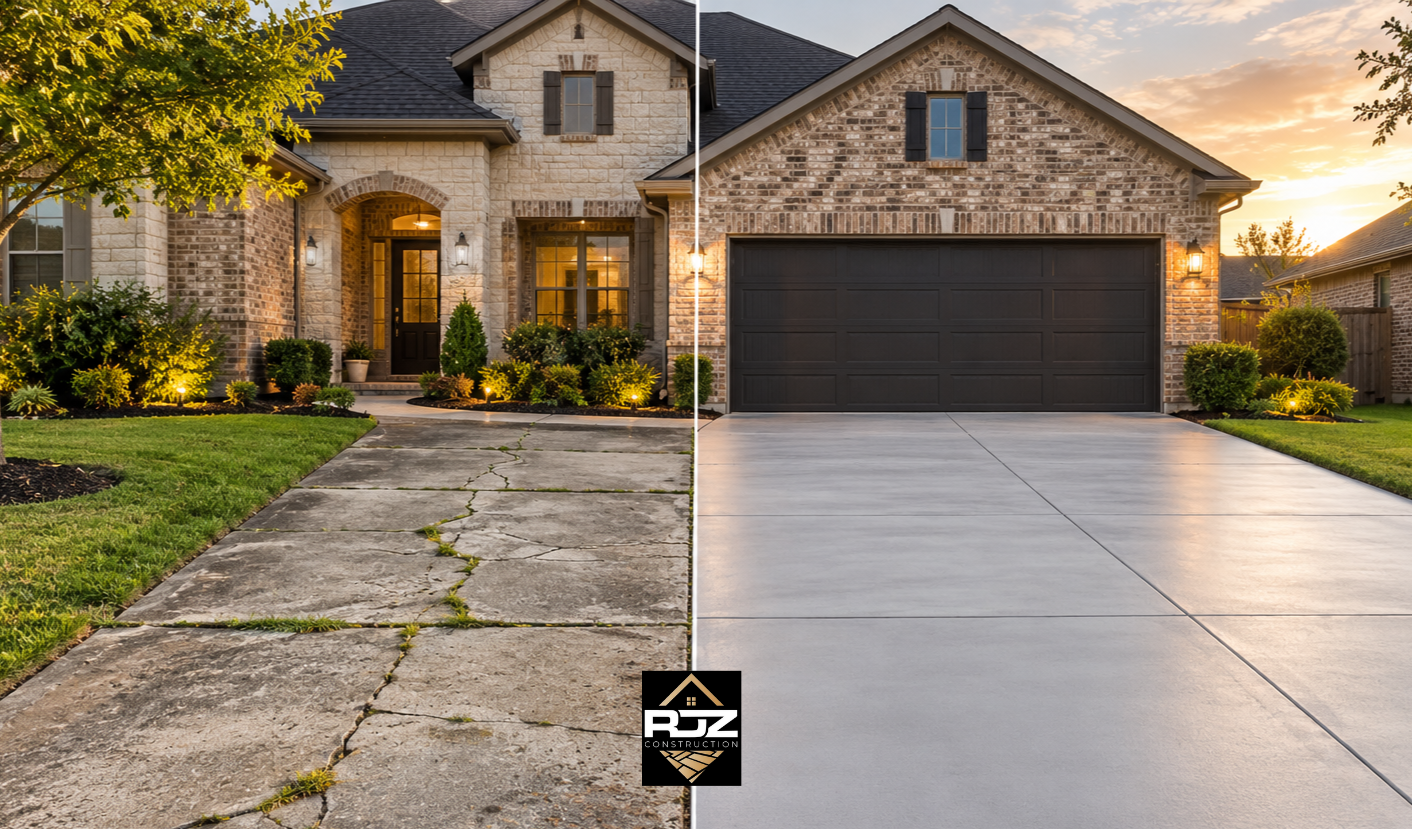
Although many homeowners focus on the backyard, the front approach matters just as much. A cracked, uneven, or outdated driveway can reduce curb appeal quickly. By contrast, a clean, durable, and properly edged driveway improves daily use and makes the whole property feel more refined. This is especially important in neighborhoods where presentation influences buyer interest from the street.
Professional driveways can also help unify the exterior design. When the driveway, front walk, and entry landscape all work together, the home feels cohesive. That sense of completion matters more than many homeowners realize because buyers often equate consistency with quality.
The Chicago Factor: Why Local Conditions Make Outdoor ROI Even More Important
Climate resilience influences value.
Outdoor projects in Chicago and similar markets need to do more than look attractive. They also need to handle freeze-thaw cycles, seasonal moisture, drainage concerns, and changing use throughout the year. Projects that address these conditions can improve long-term value because they prevent damage and reduce future repair costs.
In many Midwest neighborhoods, homeowners are especially interested in solutions that manage runoff and support better performance during heavy rain or snowmelt. Green infrastructure can help, and so can structurally sound hardscaping. For broader environmental context, the U.S. Environmental Protection Agency’s green infrastructure resources explain why better stormwater handling matters for both properties and communities. When outdoor projects help a yard function better under stress, they become far more valuable than decorative improvements alone.
High-demand neighborhoods reward finished outdoor spaces.
In strong housing markets, buyers often compare homes not only on indoor finishes but on how move-in ready the exterior feels. A home with a usable patio, clean landscape lines, and inviting outdoor elements stands out immediately. That is why high-quality outdoor improvements can have an outsized effect in competitive neighborhoods.
Local examples show this clearly. Research and reporting on Chicago-area green spaces and nearby property values have pointed to meaningful gains where outdoor environments are thoughtfully designed. In some neighborhoods, better landscaping and climate-aware improvements can contribute to double-digit value changes, especially when the project solves a visible problem and upgrades day-to-day use at the same time.
How to Maximize Outdoor Project ROI
Start with function, then layer in beauty.
The best outdoor investments are rarely the most elaborate ones. They are the ones that solve real problems first. Before choosing finishes or decorative features, assess how the space should work. Do you need more seating? Better drainage? A clearer entry path? Privacy? Better access from the kitchen? Answering these questions creates a project that feels purposeful and valuable.
Once the function is clear, visual design can take over. Materials, layout, and plantings should all reinforce the property’s architecture. This is where outdoor elements like lighting, planters, fire features, and seating walls can make a major difference. These finishing touches help the space feel intentional and premium without overwhelming the core design.
Choose materials that age well.
Material choice has a direct impact on both current enjoyment and future resale. Buyers notice when stonework looks durable, joints are clean, and surfaces feel stable. They also notice when materials seem cheap, mismatched, or high-maintenance. That is why quality craftsmanship can influence ROI just as much as the project type itself.
In general, low-maintenance and weather-resistant materials perform best for long-term value. They reduce the chances of failure and make it easier for future owners to care for the property. If an outdoor upgrade looks good today but requires frequent replacement, it may not deliver the return you want. Strong design and strong materials should always work together.
Work in phases if the full vision is not yet possible
Not every homeowner needs to complete an entire outdoor transformation at once. In many cases, the smartest strategy is to phase the work. For example, a project can begin with grading and drainage, then move to a patio, and later add lighting or a fireplace. This approach allows each stage to build on the last.
Phasing is particularly useful when working with a larger landscape plan. A strong foundation from landscape construction can set up future improvements so the site remains cohesive over time. Instead of making piecemeal changes that feel disconnected, homeowners can create a master plan that keeps each investment aligned with the final result.
Real-World Examples That Show the Hidden Value of Outdoor Upgrades
Urban parks and neighborhood value
It is not just private homes that benefit from outdoor investment. Studies of urban parks show that green space can influence surrounding property values and even generate municipal fiscal returns. Academic research on projects like the 606 Trail in Chicago has demonstrated how accessible outdoor environments can support both quality of life and real estate performance. That connection matters because it shows buyers are willing to pay for environments that feel healthy, usable, and well cared for.
These findings align with what many homeowners already observe: when a neighborhood feels more walkable, greener, and better maintained, properties nearby become more attractive. Public green infrastructure and private outdoor improvements may operate on different scales, but they send the same message. A well-designed environment is valuable.
High-end landscaping and luxury leasing
Luxury properties often prove the point even more clearly. In higher-end markets, polished landscape construction can affect leasing rates, perceived prestige, and overall buyer interest. When outdoor areas match the quality of the home interior, the entire property feels elevated. When they do not, the contrast can weaken value.
This is why high-end landscaping is often more than decoration. It is a statement about permanence, comfort, and ease of use. Homeowners who invest in a premium layout, strong hardscape details, and cohesive planting tend to create a property that feels more complete and more defensible in the market.
Common Mistakes That Reduce Outdoor ROI
Overbuilding without a purpose
One of the most common mistakes is adding features that look impressive but do not match the way the property is actually used. A giant structure or overly complex layout can consume space, strain the budget, and reduce flexibility. Buyers usually prefer outdoor areas that are intuitive and easy to maintain.
The key is to build for the lifestyle the property supports. If the yard is best suited for entertaining, emphasize seating and circulation. If privacy is the goal, emphasize screening and layout. If drainage is an issue, address it early. Value increases when the project fits the home rather than competing with it.
Ignoring maintenance and long-term care
Another mistake is assuming all outdoor improvements are low maintenance. Even the best design needs a care plan. Plants need seasonal attention, hardscapes need cleaning, and structural elements need periodic review. If a project becomes difficult to maintain, it can lose its appeal over time.
For that reason, it helps to balance beauty with practicality. Low-maintenance plant selections, durable surfaces, and clear access to important areas make a property easier to own. That convenience can be just as valuable to a buyer as the initial visual impact.
Skipping design coordination
Outdoor upgrades work best when they look like they belong together. When a patio, wall, walkway, and planting plan feel disconnected, the yard can seem pieced together rather than intentionally built. That affects perceived value because buyers often notice inconsistency quickly.
A unified plan from the beginning makes each feature support the others. This is why integrated projects often outperform isolated improvements. They create a polished, finished feel that buyers remember.
Frequently Asked Questions About Outdoor ROI
Which outdoor projects usually offer the best return?
Projects that improve both function and appearance typically deliver the strongest returns. Patios, retaining walls, drainage improvements, landscaping enhancements, and upgraded entry areas are often strong performers. The best project depends on the home, the site conditions, and the expectations of the local market.
Do outdoor improvements really matter if I am not selling soon?
Yes. Even if resale is not immediate, outdoor projects improve your daily use of the property and can reduce future maintenance issues. That means the investment pays you back in comfort, convenience, and lower stress long before a buyer ever sees the home.
How do I know whether to start with design or construction?
In most cases, start with planning. A clear layout prevents expensive mistakes and helps you prioritize the right features first. If the goal is a strong long-term result, a well-developed design should guide all construction decisions.
Where can I learn more about building a functional outdoor space?
If you are exploring ideas, our article on backyard design ideas to create a functional outdoor space is a helpful place to start. It explains how layout, materials, and daily use come together to create a better outdoor environment.
Conclusion: Outdoor Projects Often Pay Back in More Ways Than One
Outdoor projects add value because they solve practical problems while also improving how a property feels. They can boost curb appeal, expand livable space, reduce maintenance, and create a stronger emotional response from buyers. In many cases, the return exceeds expectations because the finished space becomes part of the home experience rather than just an accessory.
For homeowners who want the strongest outcome, the formula is straightforward: start with function, choose durable materials, and build a cohesive plan that fits the property. Whether the goal is a patio, retaining wall, upgraded driveway, or a full backyard transformation, the right outdoor investment can produce benefits that last for years. If you are ready to explore what is possible, connect with RDZ Construction LLC and take the next step toward a more valuable, more usable outdoor space.