Paver patios are a top pick for homeowners looking to spruce up their backyards with a polished, practical, and lasting feature. It's no wonder they're all the rage in outdoor living; pavers offer great design flexibility, tough performance in all sorts of weather, and a chic finish that complements both modern and traditional homes. Whether you’re eyeing a cozy sitting area or a full-blown entertainment space, a well-made patio can be the heart of your yard.
Homeowners often weigh whether pavers are worth the investment, and the answer is usually yes, especially with careful planning and installation. Proper foundation, grading, and drainage are key. If you’re dreaming of a complete outdoor makeover, a landscape construction project, or a custom patio build can tie everything together beautifully. In this guide, we’ll dive into the latest paver patio trends, benefits, design ideas, installation tips, and maintenance advice to help you make the best choice for your backyard.
As the love for outdoor living spaces grows, paver patios remain a go-to because they blend style and strength better than many other options. Reports from groups like the American Society of Landscape Architects emphasize hardscaping as key in modern yard design. Homeowners want spaces that feel like an extension of their home, not just an open yard with a table and chairs.
Why Paver Patios Are a Favorite in Backyard Design
Versatility for Any Home Style
One big reason paver patios are so beloved is their ability to fit almost any home style. You can use concrete pavers, natural stone looks, or modular slabs to create clean, modern spaces or cozy, classic layouts. This flexibility lets homeowners match the patio to their home instead of forcing the home to match the patio.
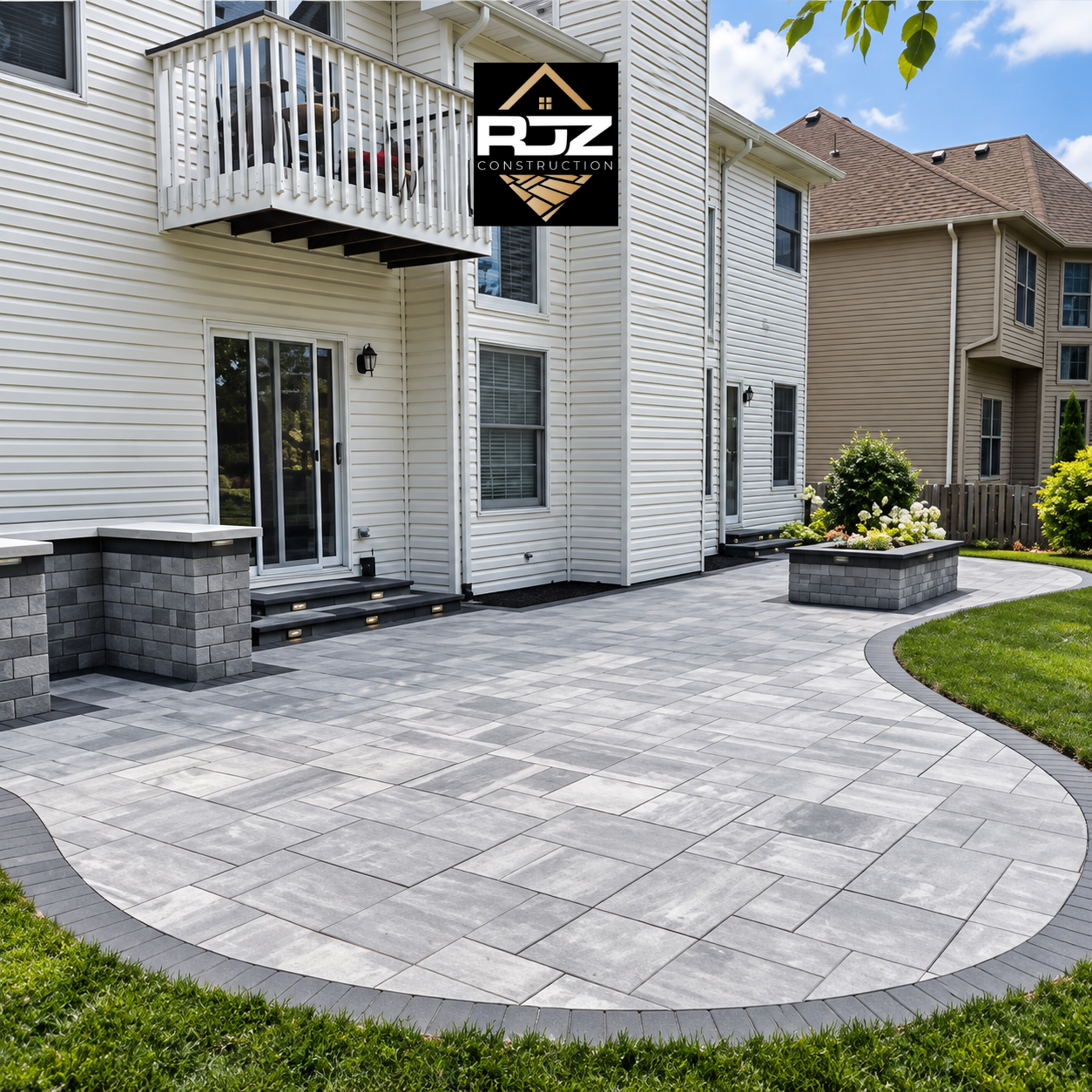
Designers love how customizable pavers are, too. You can shape a patio as a straightforward rectangle, a curved entertaining space, or a multi-zone layout that links dining, lounging, and cooking areas. With thoughtful landscape design, the patio becomes a seamless part of your outdoor plan, not just a random hardscape feature.
Durability in Real-World Conditions
Durability is another reason homeowners favor paver patios. Unlike a single poured slab, individual pavers handle ground movement well because the system is designed to flex. This flexibility is crucial in places with freeze-thaw cycles, where soil movement can crack rigid surfaces. A well-installed paver patio often outlasts a plain concrete slab because it’s built to flex without breaking.
The U.S. Department of Energy notes that freeze-thaw conditions can stress outdoor materials, making a strong base and good drainage vital in northern climates. For those in Chicago and surrounding areas, patio performance isn't just about the paver surface; it's about the entire system underneath it. That’s where quality hardscaping makes a difference.
Paver Patio Trends to Watch in 2026
Large-Format Pavers for a Sleek Look
One hot trend for 2026 is large-format pavers. Oversized slabs like 24x24 and 24x48 create a minimalist vibe with fewer joints and a more seamless look. The effect is a patio that feels bigger, cleaner, and more modern.
Homeowners love this style because it works well in small yards, too. Larger units cut down on visual clutter and can make a backyard feel more open. For a refined finish, these pavers are often paired with sleek seating walls, built-in lighting, and modern plantings for a cohesive look that feels upscale but not overdone.
Mixing Materials for Texture and Function
Another trend is mixing materials, especially combining pavers with artificial turf. Turf between paver runs or patio sections brings in greenery without the upkeep of a traditional lawn. This adds contrast, breaks up large hardscape spaces, and creates a more dynamic design.
Mixed-material patios are practical, too. They can define pathways, improve drainage, and add visual appeal. According to the U.S. Environmental Protection Agency, green infrastructure and permeable surfaces help manage stormwater. While turf strips aren’t permeable systems, the idea is similar: smart surface planning improves how your outdoor space functions.
Neutral and Earthy Colors Stand the Test of Time
Neutral colors are still in vogue because they’re easy to coordinate with plants, furniture, and exterior finishes. Warm grays, beiges, and natural stone tones work well in backyards that need a calm, inviting feel. These colors age gracefully, which is great for homeowners wanting a patio that stays current without being trendy.
Earthy tones pair nicely with native plants, wood accents, and black or bronze lighting fixtures. They also provide a great backdrop for seasonal decor, outdoor dining furniture, and fire features. For a complete outdoor experience, many homeowners mix these finishes with outdoor elements that add comfort and visual interest.
What Homeowners Love About Paver Patios
Low-Maintenance Outdoor Living
Paver patios appeal to busy homeowners because they’re low-maintenance. Regular sweeping, occasional rinsing, and periodic resealing keep them looking great. Compared to a lawn-heavy backyard, a patio significantly cuts down on mowing, watering, and seasonal cleanup.
This low-maintenance feature is why pavers are popular for families, empty nesters, and anyone who wants to enjoy their yard without constant work. Even with planting beds, retaining walls, or a fire feature, the overall maintenance is manageable if the layout is planned well from the start.
Easy Repairs and Long-Term Value
Repairability is another big plus. If part of a patio gets damaged or stained, you can often replace individual pavers without tearing up the whole surface. This makes the system more forgiving and potentially more cost-effective over time. For those viewing their outdoor space as a long-term investment, this repair flexibility is a major advantage.
Paver patios can also boost home value by improving the flow from the front to the back of the house and showing potential buyers that the property is well-maintained. A well-designed outdoor living area can make a home feel larger and more usable, especially when paired with other upgrades like retaining walls. For more tips on boosting home value, check out our article on Backyard Features That Boost Your Home's Value in Chicago, IL.
Better Drainage and Flexibility
Drainage is often a hidden issue in many yards. Paver systems can be built with slopes, gaps, and permeable options to help water move away from the house and reduce pooling. This is especially valuable in areas prone to storms or where the soil drains slowly.
For those planning a patio in a place like Chicago, drainage should be part of the conversation. A beautiful patio that traps water can quickly become a headache. But with the right design, a patio can solve more problems than it creates and support the landscape for years.
Why Quality Installation Is Crucial
The Base Holds It All Together
No matter how stylish the pavers are, the foundation is what keeps the patio level and functional. A solid base involves proper digging, compacted aggregate, correct slope, and edge restraint. Skipping any of these steps can lead to settling, shifting, or water pooling.
This is why experienced contractors focus so much on preparation. The visible surface is just one part of the system; the hidden layers carry the weight, control movement, and manage drainage. A strong base is essential for long-lasting performance, especially for patios that will support furniture, grills, and frequent foot traffic.
Plan Drainage to Prevent Problems
Plan drainage before laying the first paver. This might include grading the patio away from the home, using channel drains in problem spots, or integrating permeable paving where needed. The goal is to keep water moving safely and prevent the patio from becoming a water trap after rain.
Addressing drainage early means you’re less likely to deal with sinking pavers, joint washout, or stains from standing water. For a complete project, many homeowners explore hardscape construction so the patio, walkways, and surrounding stonework are one coordinated system.
Professional Planning Avoids Costly Mistakes
DIY can work for small projects, but larger patios usually benefit from professional planning. Proper grading, compaction, layout, and material choice all affect the final result. Even minor errors in slope or edge support can become costly, especially after freeze-thaw cycles and seasonal movement.
That’s why many homeowners prefer working with a company that understands both design and construction. A patio is more than just a surface; it’s a structural outdoor feature that needs to perform well in real conditions, not just on installation day.
How Paver Patios Enhance Outdoor Living
Creating Spaces for Dining and Relaxing
The best backyard patios are designed around how people actually live. Some families want an outdoor dining spot for meals, while others want a lounge area for chatting, shade, and fireside evenings. Pavers make it easy to create these zones because you can size and shape them to fit the activity instead of forcing a one-size-fits-all layout.
When a patio is carefully planned, it anchors the backyard. Furniture placement feels natural, foot traffic flows better, and the space becomes easier to use year-round. Adding features like planters, accent lighting, or a nearby grill station makes the patio feel like a true extension of the home.
Supporting Multi-Level and Multi-Use Yards
Many backyards aren’t flat, and that’s where paver patios shine. They work beautifully with steps, grade transitions, and layered sections. A lower patio can become a conversation pit, while a raised section might serve as a dining terrace or an extension of the kitchen.
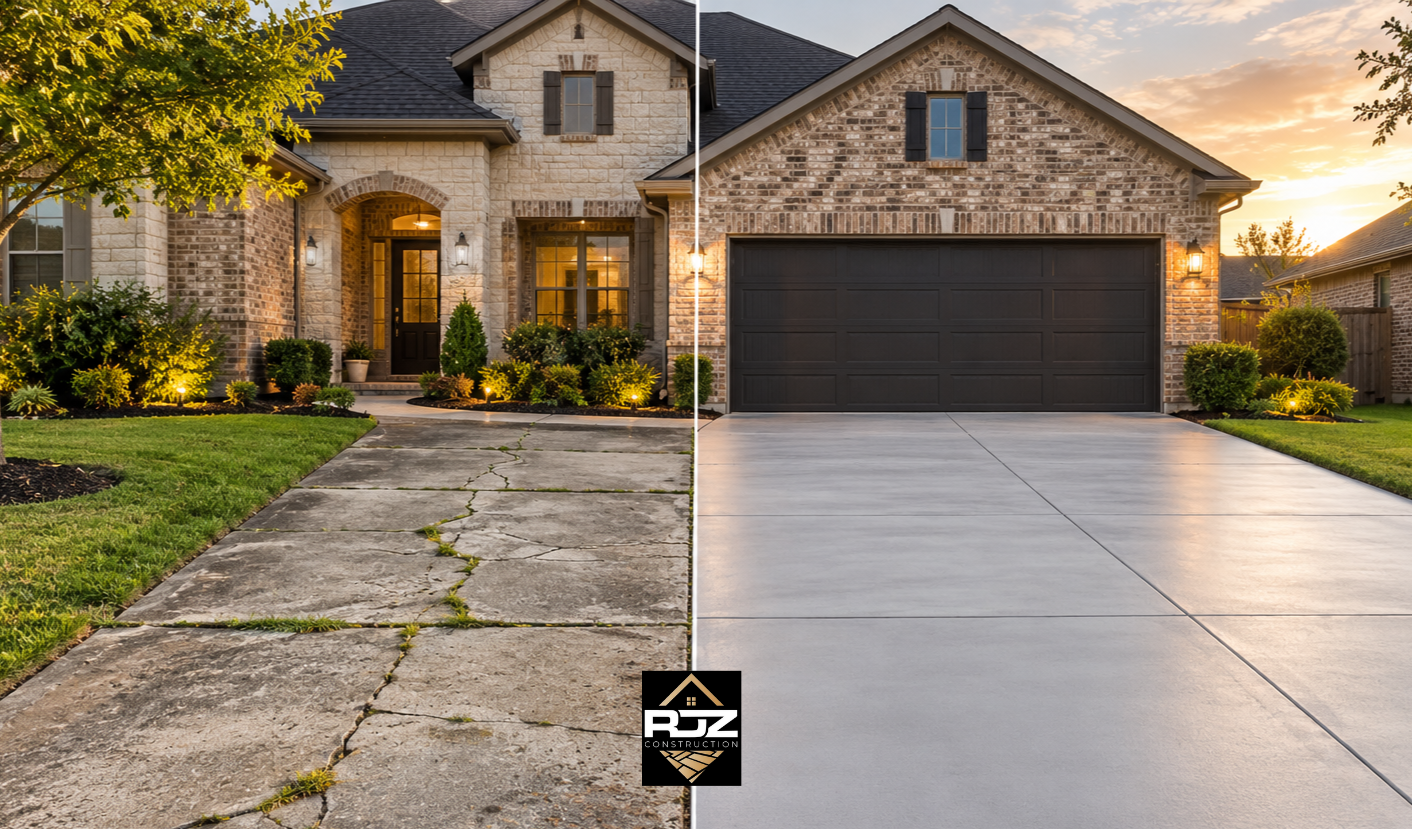
In more complex yards, a patio can pair with driveways or entry improvements for a consistent material palette across the property. In well-designed spaces, the hardscape language stays consistent from front to back, giving the home a more complete and intentional look.
Add Fire and Focal Features
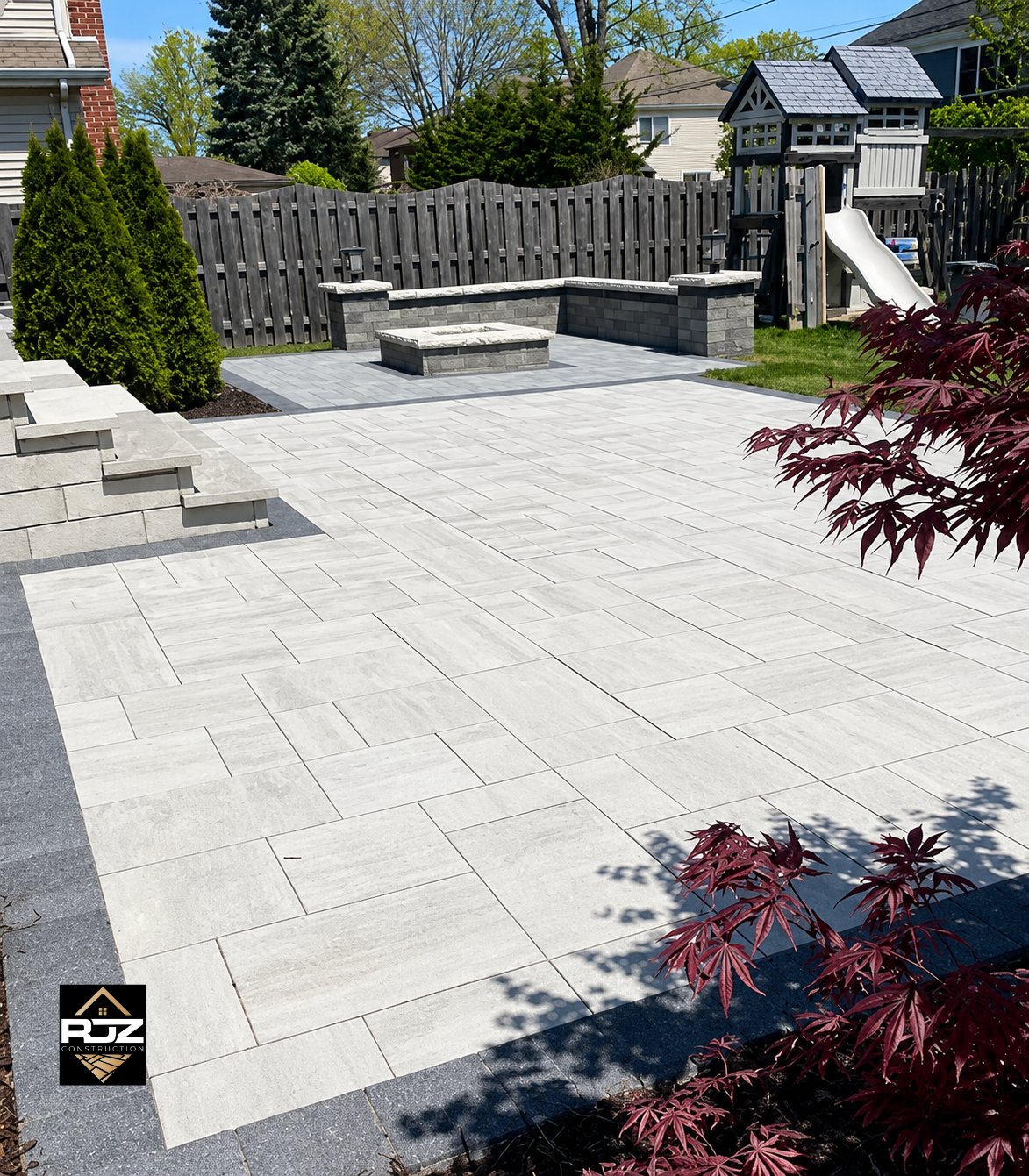
Fire features are one of the most requested backyard additions, and paver patios are the perfect base for them. An outdoor fireplace, fire pit, or built-in seating area can transform the patio into a year-round gathering spot. These elements also create a natural focal point that helps organize the rest of the design.
Since fire features often play a central role in patio use, integrate them early in the planning stage. If you’re considering a more comprehensive backyard upgrade, explore outdoor fireplace options that complement the patio and extend the space’s usefulness into cooler months.
Local Tips for Chicago Homeowners
Built for Freeze-Thaw Conditions
In Chicago, the climate is a big factor. Freeze-thaw cycles can be tough on outdoor surfaces, making paver patios a smart choice for many homeowners in the area. Because pavers are installed with joints and base layers, they often perform better than rigid surfaces that crack under seasonal movement.
This doesn’t mean any installation will last. It just means the material system suits the climate when installed correctly. For local homeowners, pavers are a practical choice for long-lasting, attractive backyard improvements.
Permeable Pavers for Stormwater Management
Permeable pavers are gaining traction where stormwater control is important. These systems let water pass through the joints into a prepared base, reducing runoff. In both municipal and residential settings, they’re a valuable tool for managing heavy rain and protecting nearby surfaces.
For technical guidance on stormwater and sustainable drainage, check out the EPA Green Infrastructure resource. For homeowners, the takeaway is simple: the right patio system can be both beautiful and responsible.
Matching the Patio to the Property
Homes in Chicago and nearby suburbs often benefit from patios that feel refined but not complicated. Neutral colors, clean lines, and cohesive material choices work well visually and practically. The aim is to create a space that feels like it belongs to the home and fits how the yard is used.
That’s where local expertise matters. A contractor who knows the region can recommend the right base, layout, drainage details, and features to help the patio last. If you’re planning a backyard update, working with an experienced landscape construction team can make the process smoother from start to finish.
Design Ideas to Make Patios Pop
Defined Borders and Accent Bands
Many stunning paver patios use borders or accent bands for definition. These details can frame the main area, add contrast, or separate dining and lounge zones. Even a small accent can make a big difference in how finished the patio feels.
Design touches like these are a great way to add personality without overwhelming the space. A simple border in a darker tone, for instance, can make large-format pavers look even cleaner and more custom.
Integrated Seating and Planters
Built-in seating walls and planters make patios feel more functional and permanent. They also improve flow by reducing the need for bulky furniture and creating natural edges around the outdoor room. When these features use matching materials, the whole space looks more cohesive.
For those wanting a fully finished outdoor environment, adding finishing features like lighting, planters, or benches can elevate the patio from a simple surface to a complete destination. Small details often make the biggest difference in comfort and usability.
Connecting to Plants and Nature
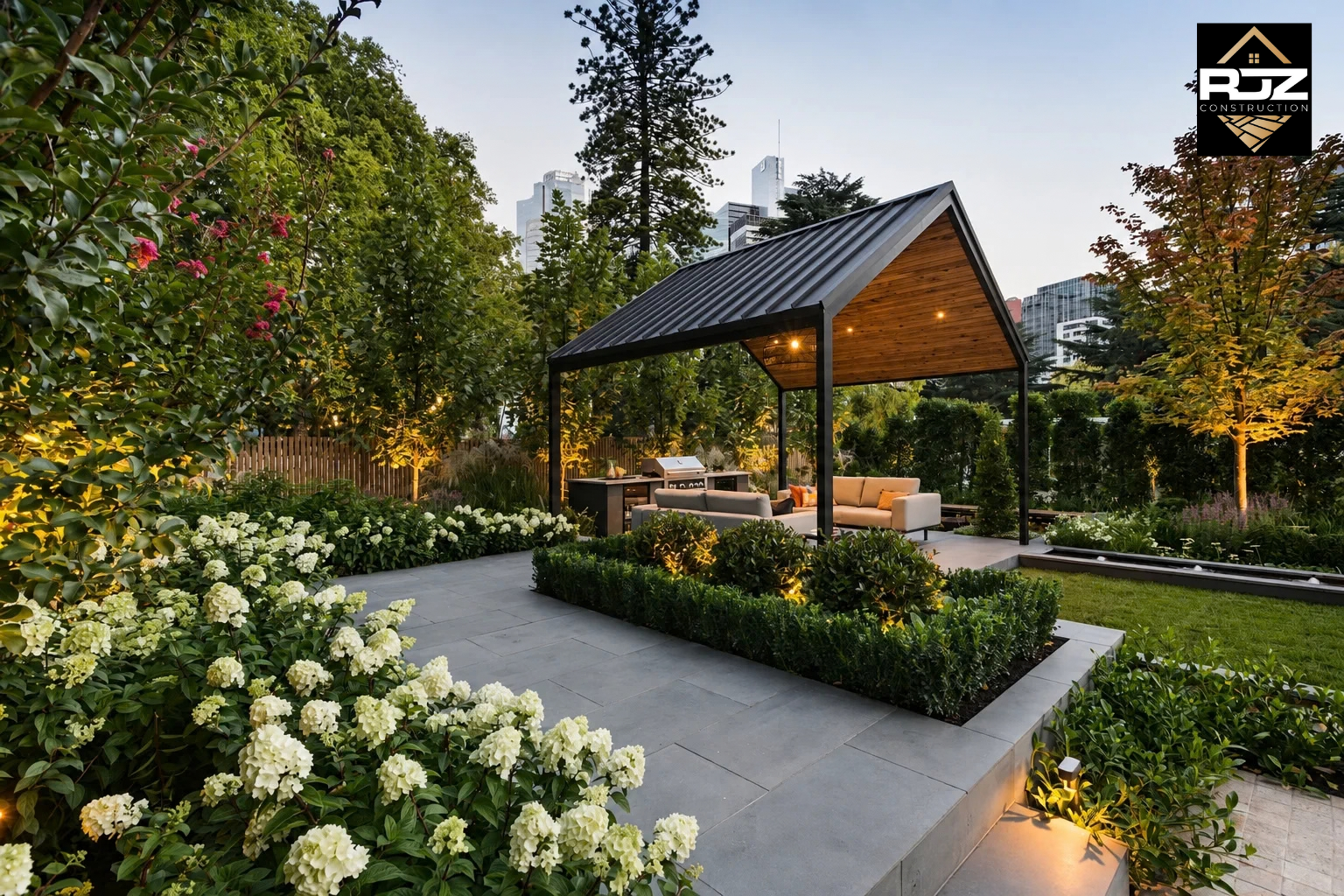
Patios look best when they’re integrated with the surrounding landscape. Native plants, ornamental grasses, and water features can soften hard edges and make the yard feel more inviting. This is especially important for homeowners wanting the patio to feel like part of a broader outdoor environment rather than a stand-alone slab.
Design cohesion is a big theme in modern landscaping. A patio that connects naturally to the rest of the yard will almost always feel more successful than one that stands alone. It also gives homeowners more ways to enjoy the space across different seasons.
Common Questions About Paver Patio Costs and Maintenance
Is a Paver Patio Worth It?
For many homeowners, yes. The upfront cost can be more than some basic options, especially if the design includes zones, steps, borders, or drainage features. But the long-term benefits often come from durability, repairability, and how a patio extends living space.
When installed well, a patio can support daily use, family gatherings, and outdoor entertaining for years. It also adds polish that enhances the whole property. That’s why many see it as an investment in both lifestyle and property value.
What Maintenance Does It Need?
Most paver patios need only light routine care. Sweep away debris regularly, rinse as needed, and re-sand or reseal according to the manufacturer’s guidance. If weeds pop up in joints, they can usually be removed before becoming a bigger issue.
Routine maintenance is easier when the patio is designed and installed right from the start. A stable base, good drainage, and quality joint sand help reduce ongoing headaches. That’s another reason professional installation is important.
How Long Do Paver Patios Last?
With proper installation and care, paver patios can last for decades. The exact lifespan depends on materials, drainage, use, and maintenance, but the system is built to be durable. Often, pavers outlast the landscaping around them, showing how reliable they can be when done right.
Homeowners planning a long-term improvement should focus on performance over time. A patio that stays level, drains well, and looks good after many seasons often delivers better value than a cheaper surface needing frequent fixes.
Final Thoughts: Why Paver Patios Are a Smart Choice
Paver patios stand out because they offer a great mix of beauty, practicality, and lasting performance. They fit many design styles, support outdoor living, and handle weather changes better than many rigid surfaces. In 2026, the trend isn’t just about pavers as a material; it’s about creating outdoor spaces that feel intentional, useful, and built for real life.
For those wanting a backyard that does more, a patio can anchor spaces for dining, relaxing, gathering, and entertaining. With thoughtful layout planning, strong construction, and complementary features, it turns an ordinary yard into a functional living space that can be enjoyed for years. Ready to start planning? Explore your options, compare materials, and work with a team that understands both design and construction.
RDZ Construction LLC helps homeowners create durable, attractive outdoor environments with a focus on craftsmanship and detail. If you’re considering a custom patio or broader backyard upgrade, now’s a great time to discuss your goals and see how the right hardscape plan can transform your property. To learn more, visit our patio services or contact our team to start your project planning today.