Backyard Features That Boost Your Home's Value
Thinking of upgrading your outdoor space? The right changes can do more than just make your home look nicer—they can increase your daily comfort, catch the eye of potential buyers, and add real value to your property. With the growing interest in outdoor living, folks are looking for features that are not only practical but also durable and impressive. In the Chicago area, this means choosing additions that can handle the changing seasons while creating a cozy space for entertaining or just relaxing.
At RDZ Construction LLC, we help homeowners design outdoor spaces that are both stunning and functional. A well-planned project can bring together landscape construction, hardscaping, seating, lighting, and other elements in a cohesive way. If you’re weighing your options, this guide will walk you through backyard features that tend to add the most value, why they matter, and how to pick the right ones for your home.
Today's valuable backyards aren't about having one flashy feature. They're about balance, usability, and long-term appeal. Many homeowners start with a solid layout, then add a patio or retaining wall to make the yard more usable. According to the National Association of Realtors Remodeling Impact Report, outdoor improvements often rank high with homeowners because they enhance both enjoyment and resale potential.
What Buyers Notice First in a Backyard
Function Over Luxury
When buyers step into a backyard, they usually wonder, "Can I see myself using this space?" That's why functional improvements often outperform decorative ones. A clean patio, safe walkways, comfortable seating areas, and a well-shaped yard usually create more value than a hard-to-maintain flashy feature. Often, the best return comes from giving the yard structure and purpose before adding extras.
Curb Appeal Doesn't Stop at the Front Door
First impressions matter, even in the backyard. A well-maintained exterior suggests that the home is cared for inside, too. Thoughtful hardscape construction can make a big difference, as patios, edging, retaining walls, and paths help define the space and make it easier to navigate. Even a modest yard can look high-end with a clean and cohesive design.
Low-Maintenance Appeal
Many buyers want outdoor spaces that look polished without requiring a lot of work. That’s why durable materials, native plants, and smart drainage solutions are popular. A backyard that looks good but is tough to maintain might deter buyers, while a space that balances style and upkeep often feels like a smarter investment.
Top Backyard Features for Value
Patios with Durable Materials
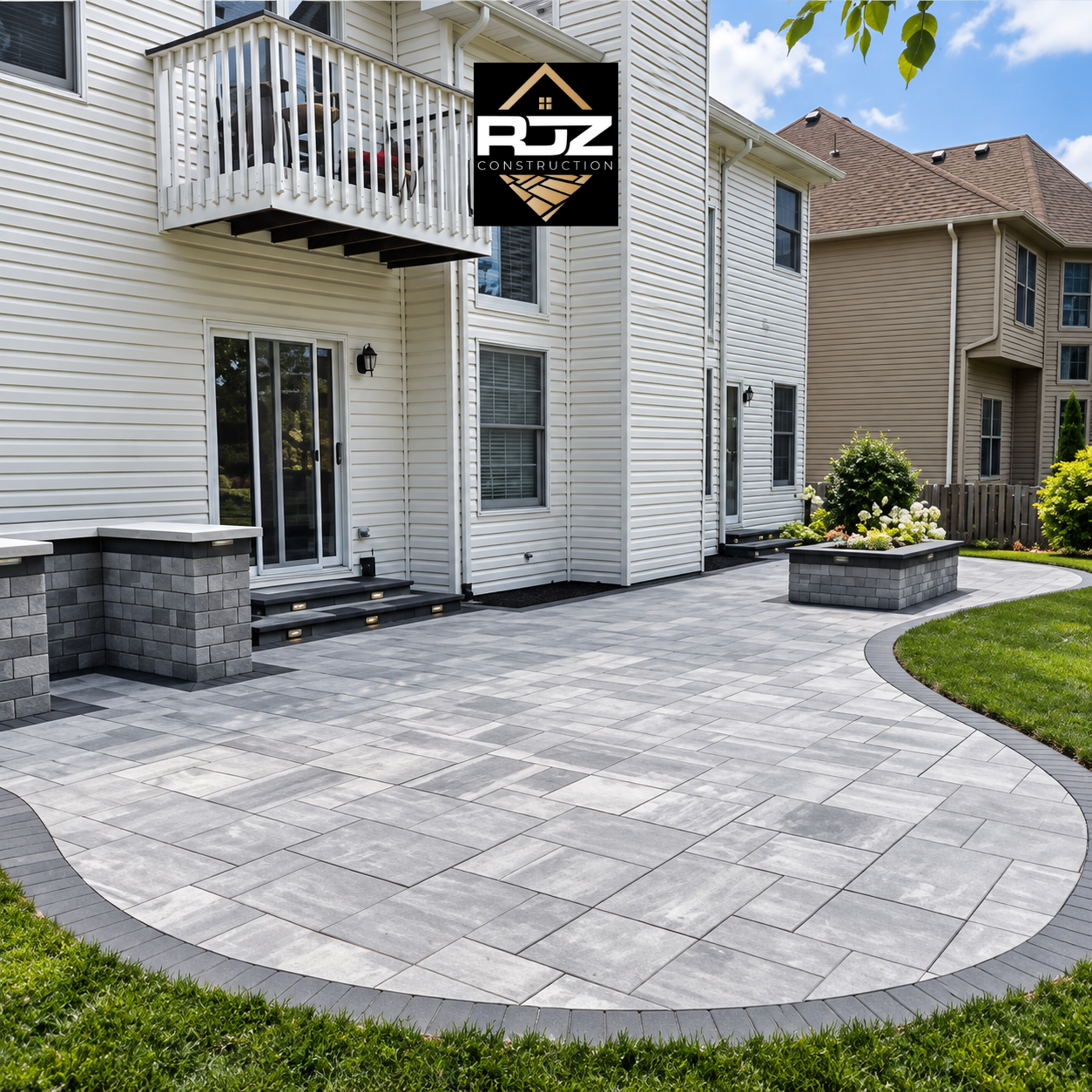
A patio is a reliable backyard upgrade because it creates an instant spot for dining, relaxing, and entertaining. A custom patio build can also be tailored to the yard's size, the home's architecture, and how the family uses the space.
Material choice is just as important as size. Pavers, stone, and other durable surfaces often perform better than temporary solutions because they withstand weather and everyday use. In Chicago, where freeze-thaw cycles can be tough on outdoor surfaces, investing in quality installation is crucial. A well-built patio looks good longer, requires fewer repairs, and sends a strong signal to buyers that the rest of the property has been thoughtfully maintained.
Outdoor Kitchens and Dining Areas
Outdoor kitchens are a top lifestyle upgrade for those who love to entertain. They can turn the backyard into a gathering place for dinners, birthdays, game days, and summer weekends. Industry sources often estimate that outdoor kitchens can deliver strong returns, especially in places where outdoor living is a big part of daily life. While Chicago’s climate means these features are used seasonally, they still appeal to buyers who want a premium outdoor entertaining space.
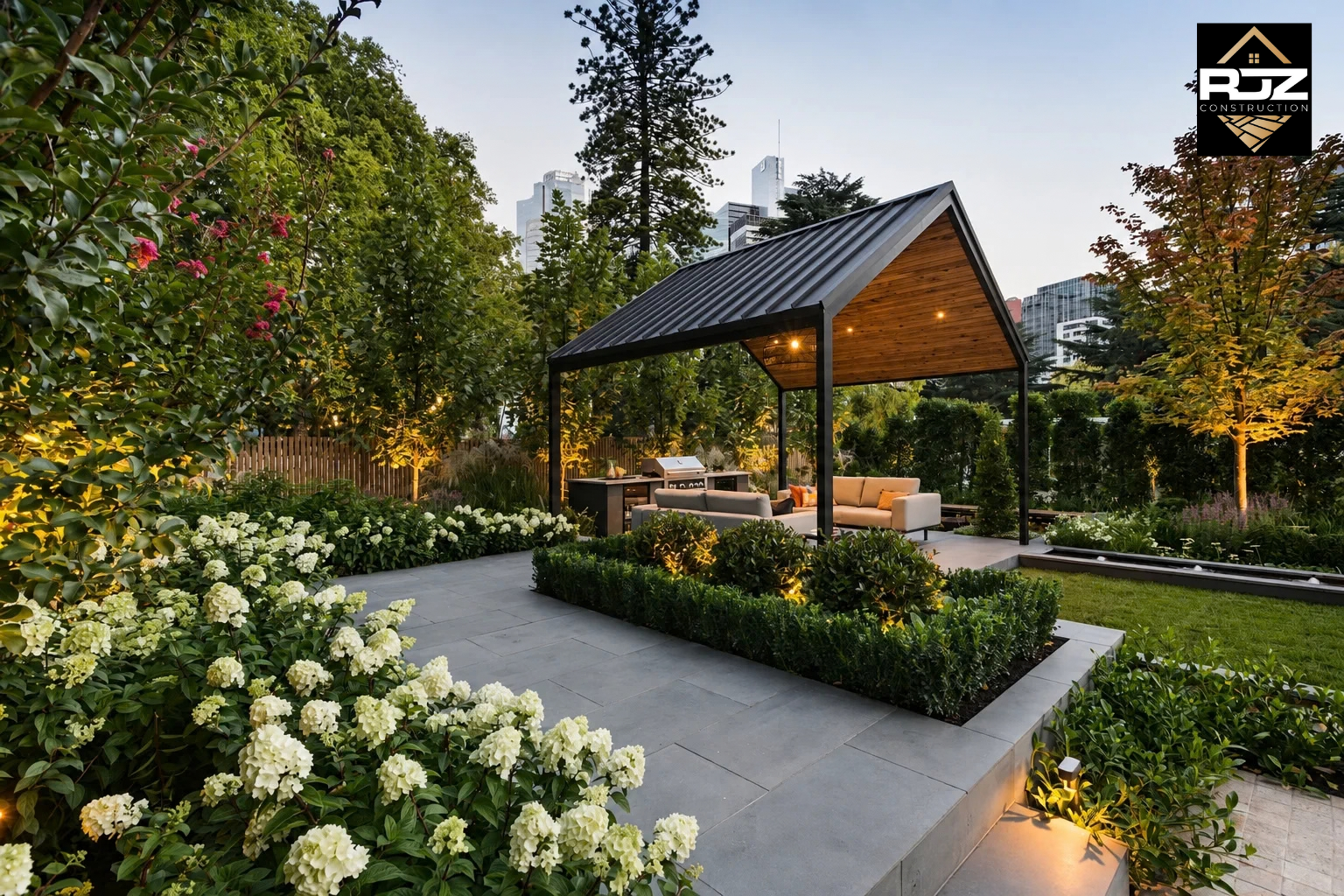
The key is to build an outdoor kitchen that fits your actual needs. For some, a grill station and prep counter are enough. Others may want built-in storage, a sink, or a full dining setup. The most effective designs often integrate well with nearby outdoor elements like seating walls, lighting, or planters, creating a space that feels complete rather than pieced together.
Decks That Expand Living Space
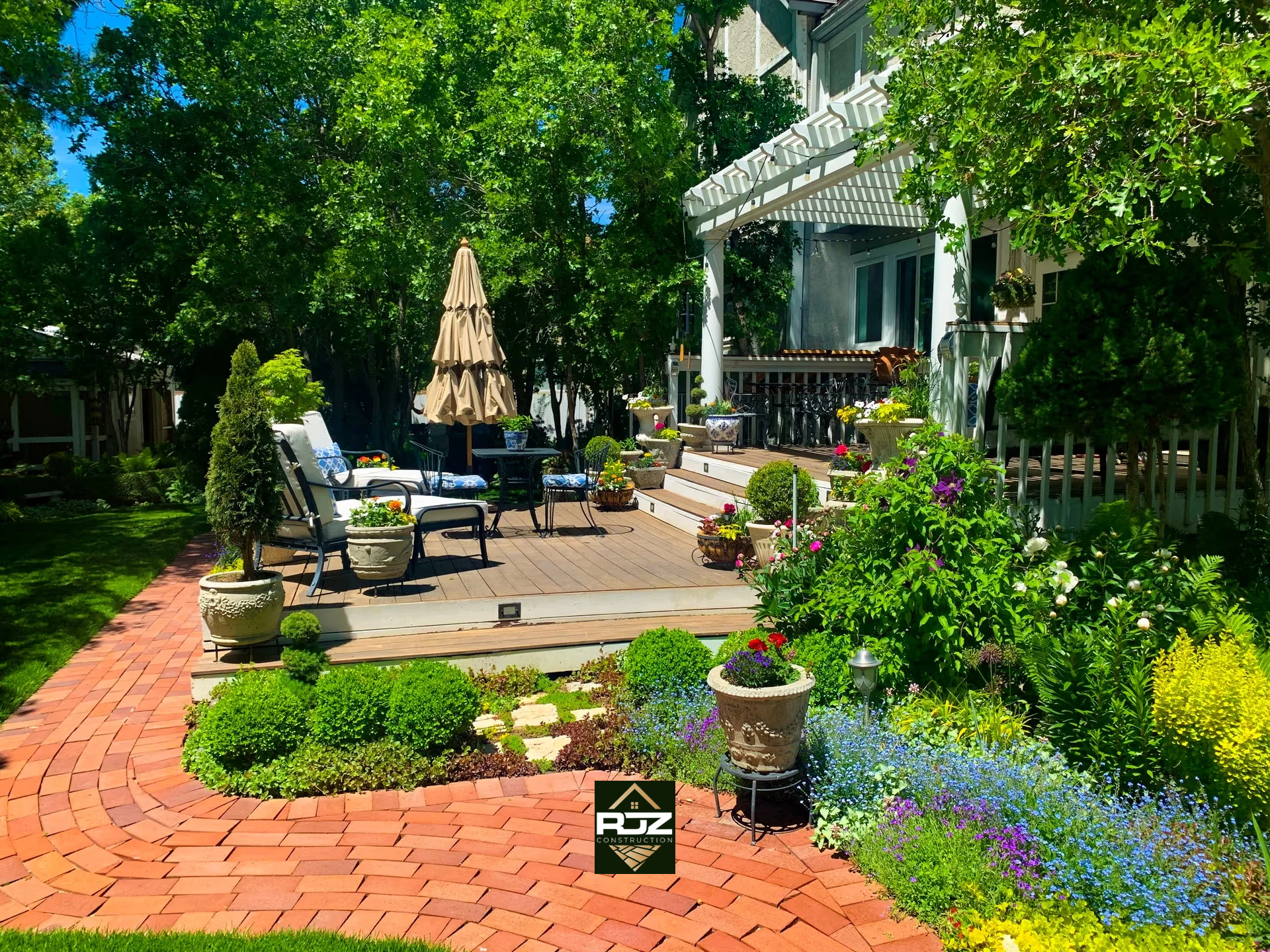
Decks remain popular because they extend the home's usable space without needing a full interior renovation. HomeLight reports that cedar decks score highly with homeowners and can recover a large portion of their cost at resale. A deck also offers flexibility: it can serve as an outdoor lounge, dining area, or transition space between the house and yard. If your property has grade changes or a back entrance that needs definition, a deck can make the space feel much more usable.
A deck should be designed for long-term performance. Poor materials or weak construction can lead to maintenance headaches, which hurts value. Homeowners should consider railing style, traffic flow, and how it connects to other features. A deck that works with the home’s layout and landscape will usually perform better than one that feels disconnected.
Pergolas and Shade Structures
Shade is an often-overlooked value driver in a backyard. A pergola, covered sitting area, or similar structure makes the space more comfortable during hot weather and adds architectural interest. Experts say pergolas and shade structures can offer solid returns because they make outdoor areas more usable. They also help create a room-like structure, especially useful in larger or open yards.
In urban and suburban settings alike, a shade structure can define a gathering zone without closing the yard off. This is especially helpful when combined with landscape design that balances hardscape and softscape features. For Chicago homeowners, that balance is important because the space needs to feel inviting in summer while still standing up to winter weather.
Features That Improve Daily Usability
Walkways and Paths
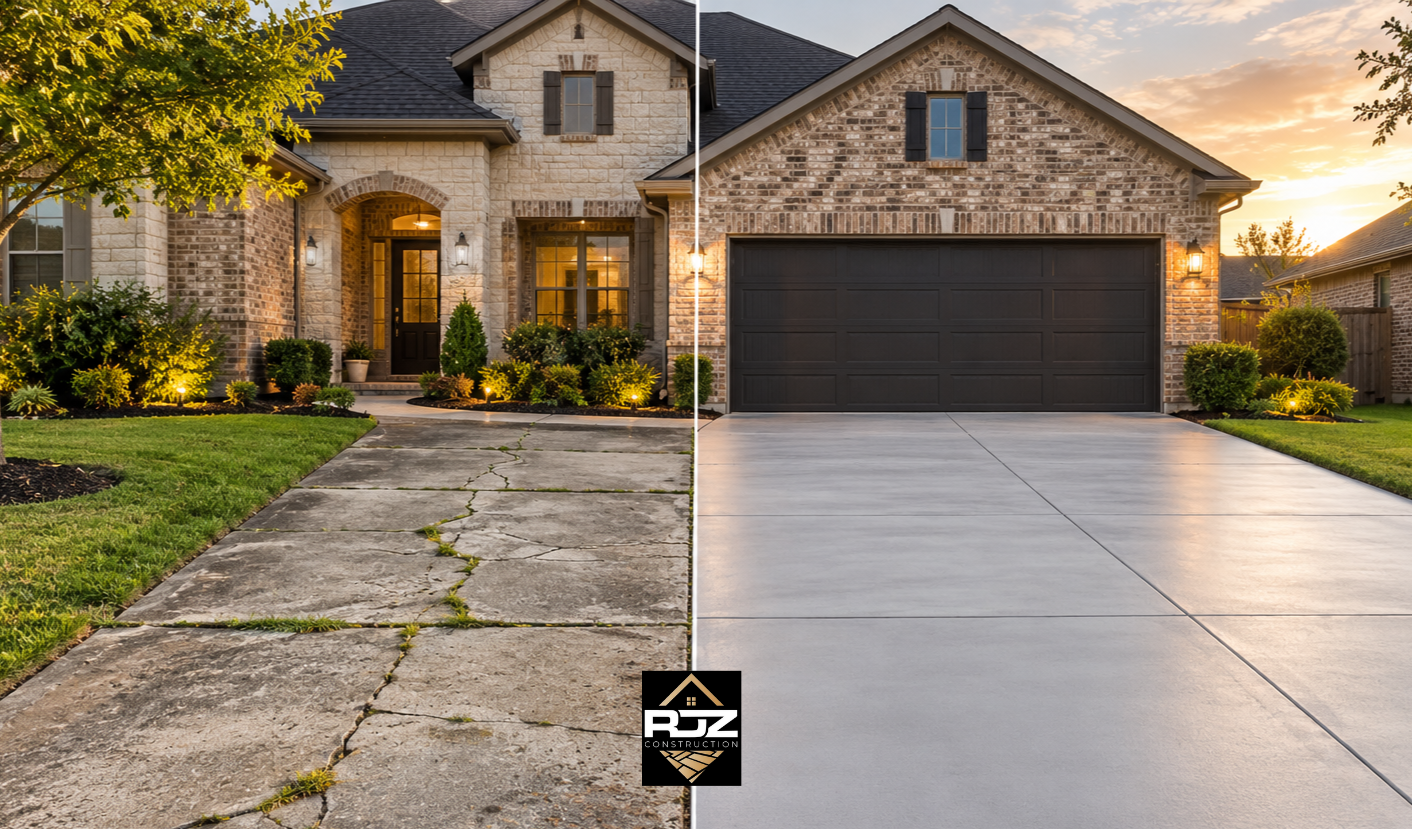
Good backyard design isn't just about looks; it's also about how people move through the space. Walkways connect the house, patio, garden zones, and side yard naturally. When the flow is easy to understand, the entire property feels bigger and more intentional. This is why quality driveways and walkways often contribute to overall property value, even if they aren't the yard's flashiest features.
For homeowners, walkways also improve safety and reduce wear on the lawn. In a climate with rain, snow, and muddy shoulder seasons, having a defined path protects the landscape and makes the home easier to access. Buyers notice those details, especially when the hardscaping matches the home’s style, and the materials are installed cleanly.
Retaining Walls That Shape the Yard
Retaining walls add value by solving grading problems and creating more usable outdoor space. On sloped or uneven lots, these walls can turn awkward areas into terraces, garden beds, seating zones, or play areas. They're particularly valuable when a yard needs structure or erosion control. A well-built retaining wall can change the entire feel of a property by making it easier to use and maintain.
It's important that retaining walls are engineered and built properly. A wall that looks good but fails over time can become a costly issue. Quality drainage, proper base preparation, and durable materials are essential. Buyers often see a strong wall as a sign of a thoughtful, lasting investment.
Outdoor Fireplaces and Gathering Spaces
Fire features create a natural focal point and extend the season for outdoor use. In cooler months, they make the backyard feel more inviting, and in warmer months, they add a sense of luxury and comfort. An outdoor fireplace or fire feature can also help define a gathering area, especially when paired with seating and lighting. For many buyers, that emotional impact matters as much as practical use.
If you're considering a fireplace, think about how it fits into the rest of the layout. The best results often come from integrating it into a larger entertainment zone rather than treating it as a standalone feature. A professionally planned outdoor fireplace build can bring warmth, style, and structure to the yard while supporting the overall design vision.
Why Sustainable Landscaping Adds Long-Term Value
Native Plants and Lower Maintenance
Sustainable landscaping is gaining traction because it reduces maintenance while supporting a healthier environment. Native plants are often better suited to local weather conditions, meaning they may need less water, fertilizer, and less frequent replacement. Practically, that translates into lower upkeep for the homeowner and stronger long-term performance for the landscape. The U.S. Environmental Protection Agency explains that efficient water use and smarter landscape planning can help conserve resources and reduce waste, making sustainability a wise feature as well as a responsible one.
Smart Irrigation and Efficient Design
Technology is playing a bigger role in outdoor spaces, and smart irrigation systems are a good example. These systems can reduce water waste by responding to weather patterns, soil conditions, and plant needs. Combined with thoughtful grading and plant placement, smart irrigation helps protect your investment while supporting healthy growth. For those exploring advanced options, this is one place where modern landscape construction can deliver visible benefits that buyers appreciate.
Additionally, sustainable design can improve the overall perception of a property. Buyers often respond well to landscapes that feel intentional and environmentally aware. Features like rain gardens, efficient drainage, and well-placed planting beds show that the yard was designed with care, not just filled with plants.
Biophilic Elements and Water Features
Biophilic design focuses on strengthening the connection between people and nature. In backyards, that can mean textured plantings, edible gardens, water features, or spaces that engage the senses. These features don't just look good; they can make the yard feel calmer and more restorative. Recent trend reporting from Homes & Gardens highlights the growing popularity of quiet retreats and nature-inspired outdoor spaces.
For homeowners, this means there's value in adding a feature that makes the space feel emotionally rewarding, not just visually attractive. A small fountain, layered planting bed, or herb garden can create a memorable experience without overwhelming the yard. Thoughtfully used, these additions support both enjoyment and resale appeal.
Chicago Considerations for Backyard Upgrades
Weather Resistance is Key
Chicago homes need outdoor features that can handle cold winters, freeze-thaw cycles, summer humidity, and heavy rain. This is why material selection is crucial. Surfaces, walls, and structures should be designed for long-term performance, not just short-term looks. Durable stone, properly installed pavers, and seasonally appropriate plant selections are more likely to hold their value over time.
Homeowners in the region also need to think about snow removal, drainage, and seasonal wear. A beautiful feature that becomes slippery, unstable, or difficult to maintain in winter may end up hurting the property’s appeal. The best upgrades are those that look good in July and still function well in January.
Smart Planning for Urban Lots
Many Chicago-area backyards are compact, meaning every square foot matters. In smaller spaces, the most valuable features are usually those that serve multiple purposes. For example, a retaining wall can create seating, a patio can define a dining area, and a pergola can provide shade without consuming too much room. Thoughtful planning is what turns a tight lot into a highly usable outdoor extension of the home.
This is where professional design makes a major difference. A well-executed plan avoids wasted corners and awkward circulation paths. It also ensures that the space feels open, even when it includes multiple features. For those wanting a polished result, working with a team that specializes in landscape construction can help bring the entire design together more efficiently.
Neighborhood Style Matters
Not every backyard feature fits every home. Buyers in some neighborhoods may prefer understated, practical improvements, while others respond better to more elaborate outdoor living spaces. In areas with traditional architecture, natural stone and classic layouts may feel more appropriate. In more modern settings, cleaner lines and minimalist detailing can create a stronger appeal. The right feature is not just the one that looks expensive; it’s the one that feels like it belongs.
Features That Might Not Add Much Value
Overly Specialized Additions
Some backyard investments are exciting but too specific to a homeowner’s personal taste. Large themed structures, oversized decorative elements, or unusual materials can limit buyer appeal. The more a feature caters to one lifestyle, the more likely it is to narrow the audience when it is time to sell. That doesn’t mean you should avoid personality; it simply means value grows when a feature has broad usability.
High-Maintenance Surfaces
Artificial grass, for example, can be appealing in certain contexts, but some buyers worry about durability, heat retention, and environmental impact. According to guidance from home and design publications, some features may actually reduce value if they raise maintenance concerns or do not age well. The same principle applies to fragile finishes, complicated water features, or anything that requires frequent repair. Value usually comes from confidence, and buyers want outdoor spaces they can trust.
Poorly Planned Pools
Pools can add value in some family neighborhoods, but they are not a universal win. In urban areas with smaller lots, they may take up too much space or appeal to too narrow a buyer group. Industry sources suggest pool ROI can range widely, often around 7-15%, depending on location and demand. Before considering a pool, it’s worth asking whether it fits the lot, the climate, and the way local buyers actually use outdoor space.
How to Prioritize Your Backyard Investment
Start with Structure
If you want the strongest return, begin with the bones of the yard: grading, drainage, circulation, and hardscape layout. Those foundational decisions determine how usable the yard will be for years. A patio, retaining wall, or walkway often sets the stage for everything else, which is why many homeowners begin with structural improvements before adding decorative elements.
Choose Features That Work Together
The best backyards don’t feel like random upgrades. A patio should connect naturally to seating, lighting, and access points. A fire feature should support a gathering area. A pergola should frame a useful zone rather than blocking flow. When features work together, the yard feels larger, calmer, and more valuable.
Think in Phases if Needed
You don’t need to complete every feature at once. Many homeowners build value by starting with the highest-impact improvements first and adding other elements over time. For example, a well-built patio and walkway can come first, followed by lighting, seating walls, or planting beds later. Phased planning can make the project more manageable while still creating a cohesive final result.
Frequently Asked Questions About Backyard Value
What Single Feature Adds the Most Value?
There’s no one-size-fits-all answer, but patios and well-designed hardscaping are usually among the most dependable value drivers. They create usable space, improve appearance, and support nearly every type of outdoor lifestyle. If the yard already has a strong foundation, then an outdoor kitchen, fireplace, or pergola may be the next best investment.
Should I Focus on Resale or Personal Enjoyment?
The smartest approach is to aim for both. A backyard that you enjoy every day is already delivering value, and broadly useful features usually help resale, too. The key is avoiding overly niche upgrades that only suit a very specific taste. When in doubt, choose timeless materials and flexible layouts.
How Do I Know if My Yard Needs Hardscaping or Planting First?
If the yard has drainage issues, poor circulation, or no usable gathering space, hardscaping should usually come first. If the structure is already in place but the space feels unfinished, then planting and finishing details may be the better next step. A professional design review can help you decide where to start and how to balance landscape design with construction priorities.
Build a Backyard That Pays You Back
The most valuable backyards aren't the most expensive, they're the most thoughtful. A strong layout, durable materials, and features that support real daily use tend to create the best return over time. Whether you're interested in a new patio, a retaining wall, a fireplace, or a complete outdoor living area, the goal should be to build a space that works beautifully now and still feels relevant years later.
If you're ready to improve your outdoor space, RDZ Construction LLC can help you plan and build a backyard that adds comfort, style, and lasting value. From custom hardscaping to complete outdoor living solutions, our team creates spaces designed for Chicago homes and the way local homeowners actually live. Explore our services, review your goals, and take the next step toward a backyard that truly enhances your property.
To learn more about value-focused outdoor upgrades, visit our hardscape construction and outdoor elements services, or start planning your project with a team that understands how to combine beauty, function, and durability. For additional guidance on local outdoor design trends, homeowners can also review resources from the EPA WaterSense program and the University of Illinois Extension. The right features can transform your backyard into one of the most valuable parts of your home.