Upgrading your outdoor space doesn’t mean you have to start from scratch. Many homeowners can make their yards more beautiful and practical by improving what’s already there. This approach not only saves time and reduces disruption, but it also often offers more enjoyment than a full-scale rebuild.
Design trends are showing that homeowners are investing in outdoor living areas primarily for personal comfort, not just for resale value. According to Houzz’s 2026 U.S. outdoor trends research, 83% of upgraded spaces now include lounge or seating areas, and 71% of homeowners hire professionals for outdoor improvements. This reflects a shift toward spaces that feel welcoming and useful right away. If you're thinking about a partial upgrade, services like landscape construction and landscape design can help you make the most of your yard without the cost of a full renovation.
This guide will help you assess your current yard, choose the right upgrades, improve layout and function, and prioritize features that create the most impact. We’ll also look at practical examples, expert insights, and a simple process for planning upgrades that fit your budget and lifestyle.
Why Partial Outdoor Upgrades Are So Popular
They deliver visible results faster.
Full renovations can be time-consuming, involving demolition and major construction. Partial upgrades focus on the most important areas, so you often see progress within days or weeks instead of months. This speed is why many homeowners prefer to upgrade in phases. It builds momentum without turning the entire property into a construction zone.
This method is appealing for families who want to keep using their yard during the process. Instead of shutting down every part of the outdoor space, you can refresh one section at a time. It’s easier to manage costs, keep your routine intact, and avoid the stress of major disruptions.
They maximize what you already own.
One smart way to upgrade your outdoor space is to see what can be reused. A patio might just need resurfacing, a retaining wall could use repairs, and existing planting beds might only need reshaping and cleaner edges. Industry experts often recommend starting with the structure you already have, as it's the most cost-effective way to improve appearance and function.
Before replacing anything, take a close look at the bones of your yard. Strong existing features can often be refreshed with better materials, improved layout, new lighting, or cleaner transitions. This mindset is key to efficient hardscape construction, where updates can transform your yard’s feel without a total rebuild.
They support long-term value and comfort.
Partial upgrades aren’t just about saving money; they help you make better decisions over time. When a project is broken into phases, each step can be planned carefully, resulting in a more cohesive final space. You benefit from thoughtful choices instead of rushed decisions.
For homeowners in the Chicago area, a phased approach makes sense because weather, seasons, and property conditions can affect timing. A project that improves drainage in one season, adds seating in another, and finishes with lighting or planting later can be easier to manage and better aligned with your specific site conditions.
Start with a Clear Assessment of Your Current Space
Identify what is working and what is not.
The first step in any outdoor upgrade is a simple assessment. Walk through your yard and note how the space feels, where you spend time, and which areas you avoid. Are there awkward pathways, unused corners, cracked surfaces, poor drainage, or spots that feel too exposed? The best upgrade plan begins by solving real problems rather than chasing trends.
Consider how the space functions at different times of day and in different seasons. A patio that feels bright in the morning may be too hot in the afternoon. A seating area near a fence may feel private in summer but too dark in fall. Understanding these patterns helps you make smarter design decisions.
Repurpose before replacing
Often, existing elements can be reused in new ways. A low wall can become part of a seating area, a narrow strip of lawn can be transformed into a garden bed, and an outdated path can be replaced with a cleaner, more durable one. Thoughtful planning saves money and reduces waste.
Experts recommend starting with elements that have good structure or material quality. This might mean refinishing a concrete surface, resetting pavers, or updating borders rather than tearing everything out. If your property needs a more customized plan, a professional team can help you decide which features to keep and which to replace.
Use a site-specific lens.
Not every outdoor space has the same constraints. Some yards are flat and open, while others are narrow, sloped, or shaded by trees. A smart upgrade plan respects these conditions instead of fighting them. That’s why site-specific design is so important in outdoor work.
For example, a yard with drainage issues might benefit more from grading improvements and a defined patio edge than from new plantings alone. A sloped area may need a retaining wall to create usable sections. If your property has structural challenges, services like retaining walls can be a practical part of a partial upgrade strategy.
Focus on the Features That Change Everything
Upgrade seating and gathering zones
One big trend in outdoor living is creating lounge and seating areas. Houzz notes that 83% of renovated outdoor spaces now include a lounge or seating feature, showing how important comfort has become. Rather than thinking of the yard as open space to be filled later, homeowners are designing around how people actually gather.
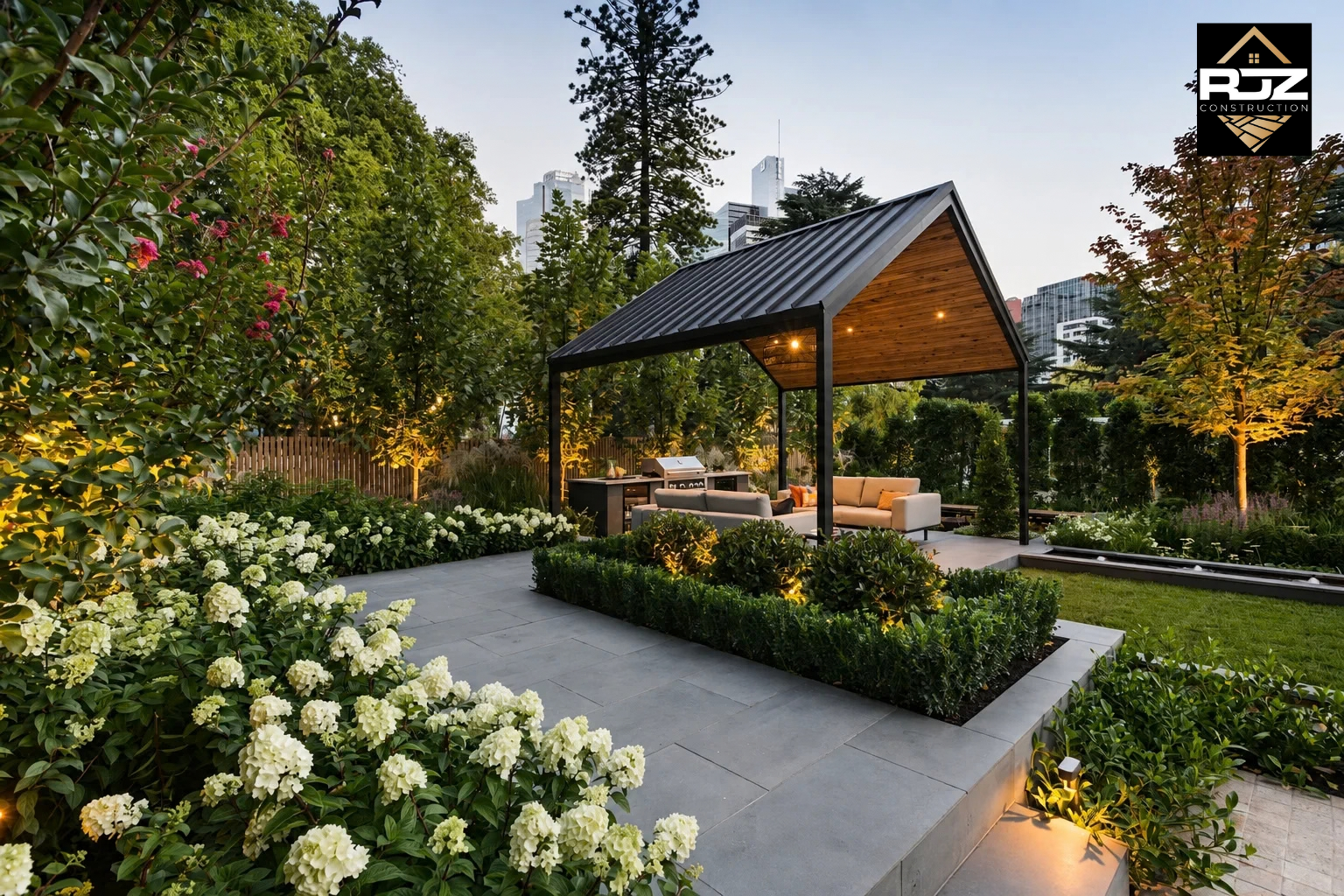
This can be as simple as adding a conversation area with weather-resistant furniture or as involved as building a custom seating wall around a fire feature. The key is to create a destination within the yard. When people have a comfortable place to sit, the whole space feels more intentional and usable.
Refresh surfaces for a cleaner, more finished look
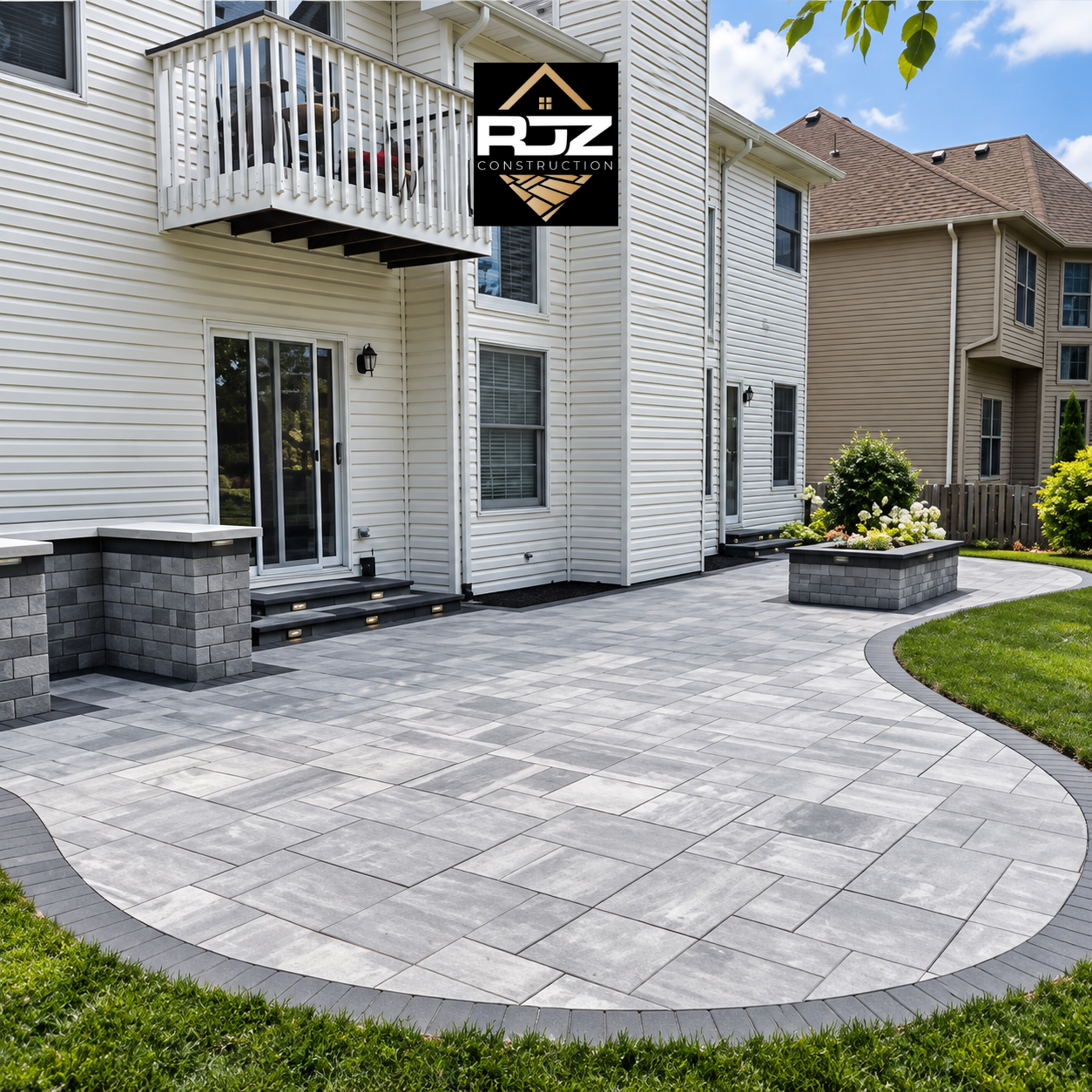
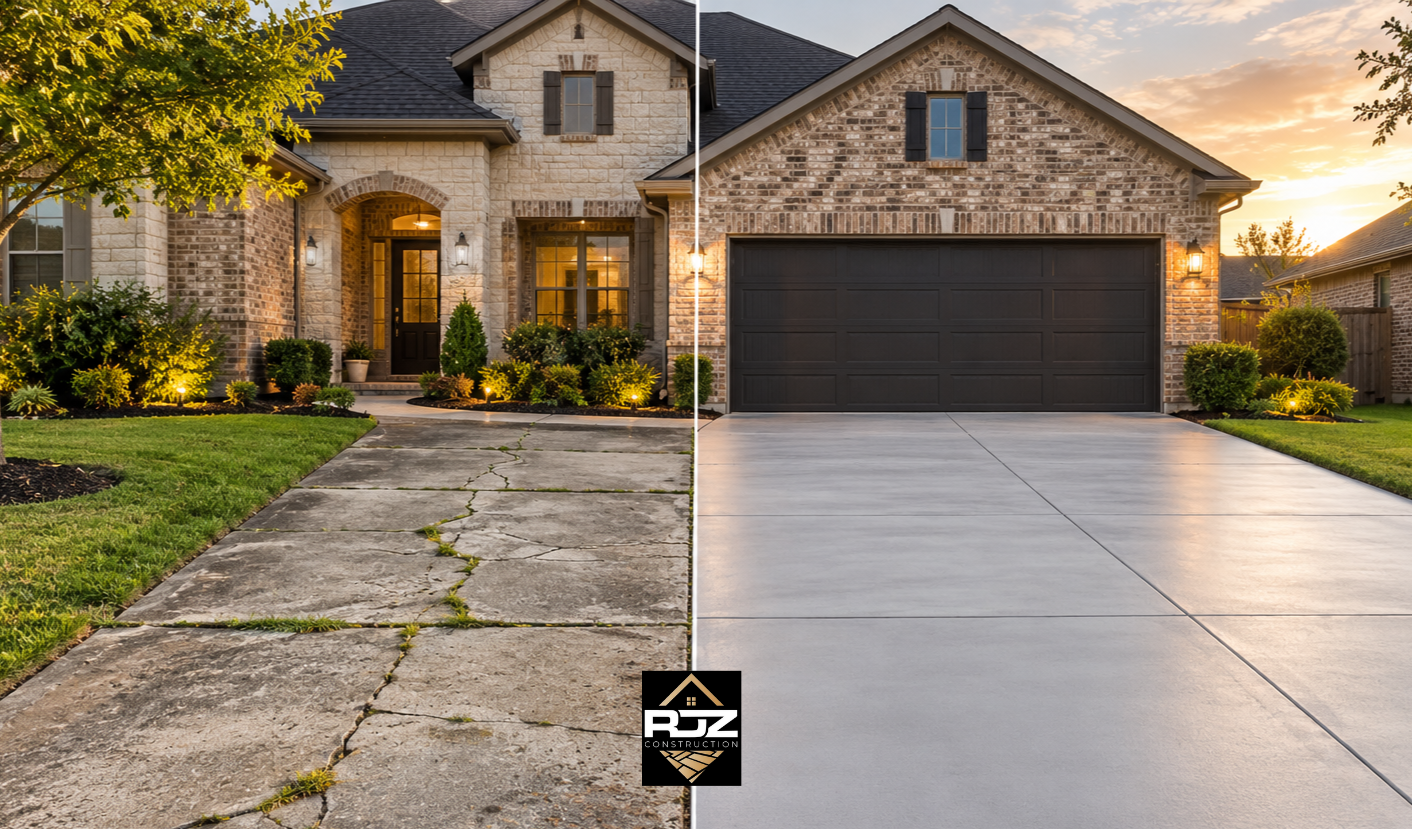
Surface improvements often make the fastest visual impact. Resurfacing a patio, updating a driveway edge, or refining a walkway can instantly make an outdoor area feel newer and more polished. These changes also help tie the different parts of the property together.
If your patio is the main entertaining zone, this is a good place to start. A refreshed surface can anchor the rest of the design and make furniture, lighting, and plants feel more deliberate. A well-planned patio often becomes the foundation for the entire outdoor living experience.
Add lighting to extend daily use.
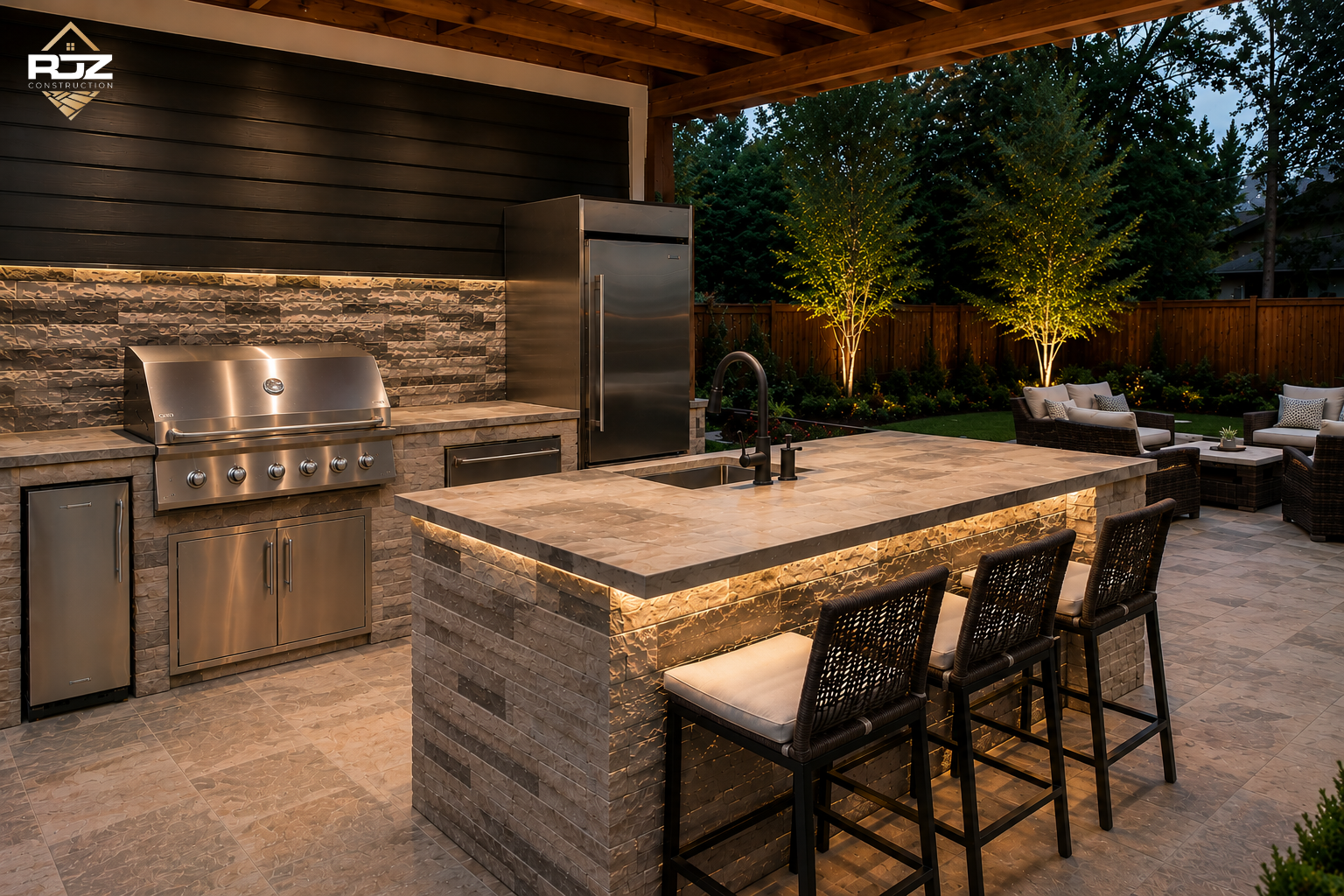
Lighting is one of the most underrated upgrades in outdoor design. It improves safety, makes paths and steps easier to navigate, and allows the space to be used after sunset. Just as important, it changes the mood of the yard by adding depth and warmth.
Soft path lighting, accent lights on walls, and gentle illumination around seating areas can make a modest space feel far more refined. Lighting is especially useful when you are not doing a full renovation because it creates a big improvement without requiring major construction. It also pairs well with outdoor elements such as planters, seating walls, and focal points.
Use Hardscaping to Bring Structure Without Overbuilding
Define zones for better flow.
Improve your outdoor space by making each area serve a clear purpose. Instead of one big, undefined yard, think in terms of zones: dining, lounging, planting, circulation, and maybe a fire area. Clear zoning helps the space feel bigger and more functional because every square foot has a role.
Hardscaping is especially useful here because it gives shape to the design. Edges, borders, paver areas, steps, and seating walls create visual order and physical structure. They help guide movement, frame views, and make the yard feel finished, even if the project is only a partial upgrade.
Choose durable materials that age well.
When you upgrade without a full renovation, it’s worth investing in materials that will last. Durable stone, pavers, masonry, and properly installed concrete surfaces can hold up better over time and reduce maintenance headaches. This is especially important in climates with freeze-thaw cycles and seasonal moisture changes.
The EPA’s Soak Up the Rain program explains that managing outdoor water runoff and using permeable surfaces can be an important part of responsible site planning. Practical design choices like drainage-aware hardscaping can protect your property while improving the overall look of the space.
Use edges and transitions strategically.
Small changes in elevation, border treatment, and material transitions can make a surprising difference. A new border around a planting bed, a cleaner edge along a patio, or a subtle step between areas can make the design feel more organized. These details are often what separate a basic yard from a polished outdoor environment.
Many homeowners don’t need more space; they need better transitions between existing spaces. A professional team can help create that flow through landscape construction methods that improve movement, shape, and usability without overcomplicating the project.
Make Comfort the Priority
Choose outdoor furniture that fits the space.
Furniture has a major impact on how a yard feels, and it’s one of the fastest ways to upgrade without construction. The right pieces should fit the scale of the area, support the way you use the space, and hold up to local weather conditions. Oversized furniture can overwhelm a compact patio, while undersized pieces may make a larger area feel unfinished.
Look for furniture that supports your lifestyle. If you entertain often, a larger dining set may matter more than decorative pieces. If you prefer quiet evenings outdoors, comfortable lounge seating may be the better investment. Either way, furniture should reinforce the purpose of the space rather than fight against it.
Add shade, privacy, and shelter.
Comfort in an outdoor space is about more than seating. Shade and privacy make a yard more enjoyable on a daily basis. Simple additions like umbrellas, pergolas, screens, strategic planting, or even a well-placed wall can change how often you use the space.
When homeowners add privacy, they often discover that they spend more time outside simply because the area feels calmer and more protected. That is especially valuable in urban and suburban settings where neighboring homes or street views may limit the sense of retreat.
Introduce warmth and focal points.
Fire features remain one of the most effective ways to make an outdoor space feel inviting. They encourage people to stay longer, create a natural gathering point, and extend seasonal use. If you do not want a full backyard overhaul, adding a fireplace or fire feature can still create a strong design anchor.
Outdoor fireplaces work particularly well when paired with seating zones and hardscape borders. They create a destination within the yard and often become the feature that ties the rest of the design together. For many homeowners, that single addition delivers the biggest emotional impact of any upgrade.
Think in Phases, Not in One Giant Project
Phase one: solve functional problems
The best phased upgrades begin with the problems that affect daily use. That may include drainage, poor access, broken surfaces, or an awkward layout. Fixing those issues first ensures that later improvements are built on a solid foundation.
Function-first planning also helps avoid wasted money. There is little value in adding decorative elements to a yard that still drains poorly or feels hard to navigate. By addressing structure early, you set the stage for improvements that will last.
Phase two: add the main gathering area
After the essentials are covered, the next priority is usually the main social zone. That may be a patio, a seating area, or a place for dining and gathering. Houzz reports that lounge and seating features are among the most common elements in updated outdoor spaces, which makes sense because they turn a yard into a living area.
If you are deciding where to invest next, start with the area you will use most often. A well-designed gathering space usually offers more value than spreading the budget thin across many small additions. This is also a good time to coordinate with a professional who can align the layout with your long-term goals.
Phase three: finish with details that elevate the design
Once the structure and main use zones are complete, finishing details can make the space feel whole. Lighting, planters, edging, accent walls, and decorative touches help refine the experience. These smaller additions are often easier to phase in because they do not require as much disruption.
For homeowners who want to move carefully and build over time, this approach is ideal. It allows the project to evolve naturally and gives you time to evaluate how each improvement performs before adding the next one.
What Professional Help Adds to a Partial Upgrade
Better planning and fewer mistakes
Recent data from Houzz shows that 71% of homeowners now enlist professional help for outdoor renovations, up from 65% in 2024. That increase reflects a growing understanding that expert planning can prevent costly mistakes. Even when the project is smaller than a full renovation, professional insight can improve layout, drainage, material selection, and build quality.
Professionals also help homeowners avoid the common trap of making disconnected upgrades. A good plan ensures that new pieces work together visually and functionally. That coordination matters whether you are updating a patio, improving access, or adding outdoor features.
Case study: a practical yard refresh
Consider a typical homeowner who wants more usable outdoor space but is not ready for a full rebuild. The existing yard has an aging patio, a few underused beds, and a large open area that never feels finished. Instead of starting over, the project can be broken into three practical steps: improve the patio surface, create a defined seating zone, and add lighting and planting for atmosphere.
The result is a cleaner, more functional yard that feels significantly newer without requiring a total overhaul. This kind of phased improvement is common in outdoor work because it delivers visible progress while keeping costs manageable. It also allows the homeowner to prioritize the improvements that matter most to daily life.
Real-world examples from the industry
Companies with long histories in outdoor construction often take this kind of phased approach. Cityscape Landscape LLC, for example, emphasizes integrated design and construction for partial upgrades, showing how a coordinated process can create a more complete final result. Twin Oaks Landscaping also reflects the value of professional involvement by focusing on enhancing existing landscapes through design and installation rather than only full replacement.
For homeowners in Chicago and surrounding suburbs, local expertise matters because climate, grading, and materials all influence performance. A company familiar with these conditions can recommend smarter upgrades, whether that means a stronger hardscape surface, better drainage, or a more weather-resistant layout. If you are planning a project in the region, local guidance can help you choose improvements that look good and hold up well over time.
Common Mistakes to Avoid
Adding features without a plan
One of the most common mistakes is adding attractive elements one by one without considering how they fit together. A yard can quickly feel cluttered if the patio, furniture, lighting, and planting are not coordinated. Good design is not about adding more; it is about adding the right things in the right order.
A plan also helps prevent budget creep. When you know your priorities in advance, it becomes easier to make tradeoffs that support the bigger picture. That clarity is especially helpful when you are improving the space in stages.
Ignoring drainage and site conditions
No outdoor upgrade should overlook drainage, slope, or soil conditions. Decorative improvements may look appealing at first, but if water pools, surfaces shift, or plantings struggle, the space will never perform well. Function must support aesthetics if the project is going to last.
This is where professional assessment becomes valuable. A designer or builder can identify problems early and recommend the right structural solution. In some cases, that may involve grading improvements, new edging, or a driveway update that improves both access and appearance.
Choosing style over durability
It is tempting to focus only on how a material looks on installation day. However, outdoor spaces must endure weather, use, and time. Choosing materials based on appearance alone can lead to premature wear and unnecessary maintenance later.
Instead, look for materials and features that deliver both style and performance. That might mean a simple design with strong construction, or a smaller number of higher-quality elements instead of many lower-quality additions. The goal is a space that looks good now and still works well years from now.
How to Get Started with Your Own Upgrade
Set a realistic budget and timeline.
Start by deciding how much you want to spend and how quickly you want the work completed. A realistic budget will help you decide whether the project should be completed all at once or in phases. A clear timeline also makes it easier to schedule work around weather and family routines.
If you are unsure where to begin, focus on the upgrade that will most improve daily use. For many homeowners, that means the primary outdoor living area or the most visible problem spot. Small, well-executed improvements often create more satisfaction than larger, unfocused projects.
Work from the ground up.
Even if you are not renovating everything, the most successful upgrades still begin with the base. That means reviewing surface conditions, layout, and structural support before moving to finishes. Strong foundations make every later improvement look and perform better.
This is why services such as hardscape construction, patios, and landscape design often work best together. When the underlying structure is sound, the rest of the space becomes easier to shape.
Know when to bring in a professional
You may be able to handle small cosmetic updates on your own, but larger layout changes, grading issues, retaining walls, and integrated hardscaping usually benefit from professional input. The right contractor can help you avoid costly rework and make the most of your budget.
For homeowners who want durable, high-quality results, professional support can be the difference between a patchwork of fixes and a cohesive outdoor environment. That is especially true when the goal is to improve both appearance and function without taking on a full renovation.
Conclusion: Build a Better Outdoor Space One Smart Step at a Time
Upgrading your outdoor space without a full renovation is not a compromise. For many homeowners, it is the smartest path forward. By focusing on what already exists, improving the most important features, and planning upgrades in phases, you can create a yard that feels more comfortable, useful, and visually refined without overwhelming your budget or your schedule.
The strongest partial upgrades usually combine practical improvements with thoughtful design. A cleaner surface, a better layout, comfortable seating, lighting, and one or two well-chosen focal points can completely change how you experience the space. When those updates are guided by professional planning and durable materials, the results tend to last longer and feel more intentional.
If you are ready to improve your outdoor living area, start with a clear assessment and a realistic plan. Then prioritize the upgrades that will make the biggest difference in how you use the space every day. For help creating a custom solution, explore our landscape construction services or contact RDZ Construction LLC to discuss a phased outdoor upgrade that fits your goals.
To learn more about the company behind these solutions, visit RDZ Construction LLC. If you are comparing design options or looking for ideas, our related guide on why paver patios are a hit for modern backyards can help you narrow your choices. The next step is simple: choose one area to improve, and build from there.