Kicking off a home construction project can be a thrill, but without a clear plan, it might feel like a daunting task. Whether you're sprucing up your home's curb appeal, creating a cozy backyard, or building an outdoor living area, the early decisions you make will shape everything that follows. In landscape construction, those first choices are crucial because they need to balance function, durability, drainage, looks, and local conditions.
This guide lays out the key things every homeowner should think about before starting a project, with a special focus on landscape construction in Chicago. We'll cover how to set realistic goals, pick the right materials, understand permits, choose contractors, and plan for long-term value. Considering adding a patio, retaining wall, or a full outdoor living space? This article will get you started with confidence. For more inspiration, check out our landscape construction services and landscape design services to see how thoughtful planning can turn ideas into lasting results.
Start with a Clear Vision for the Project
Figure Out the Problem You're Solving
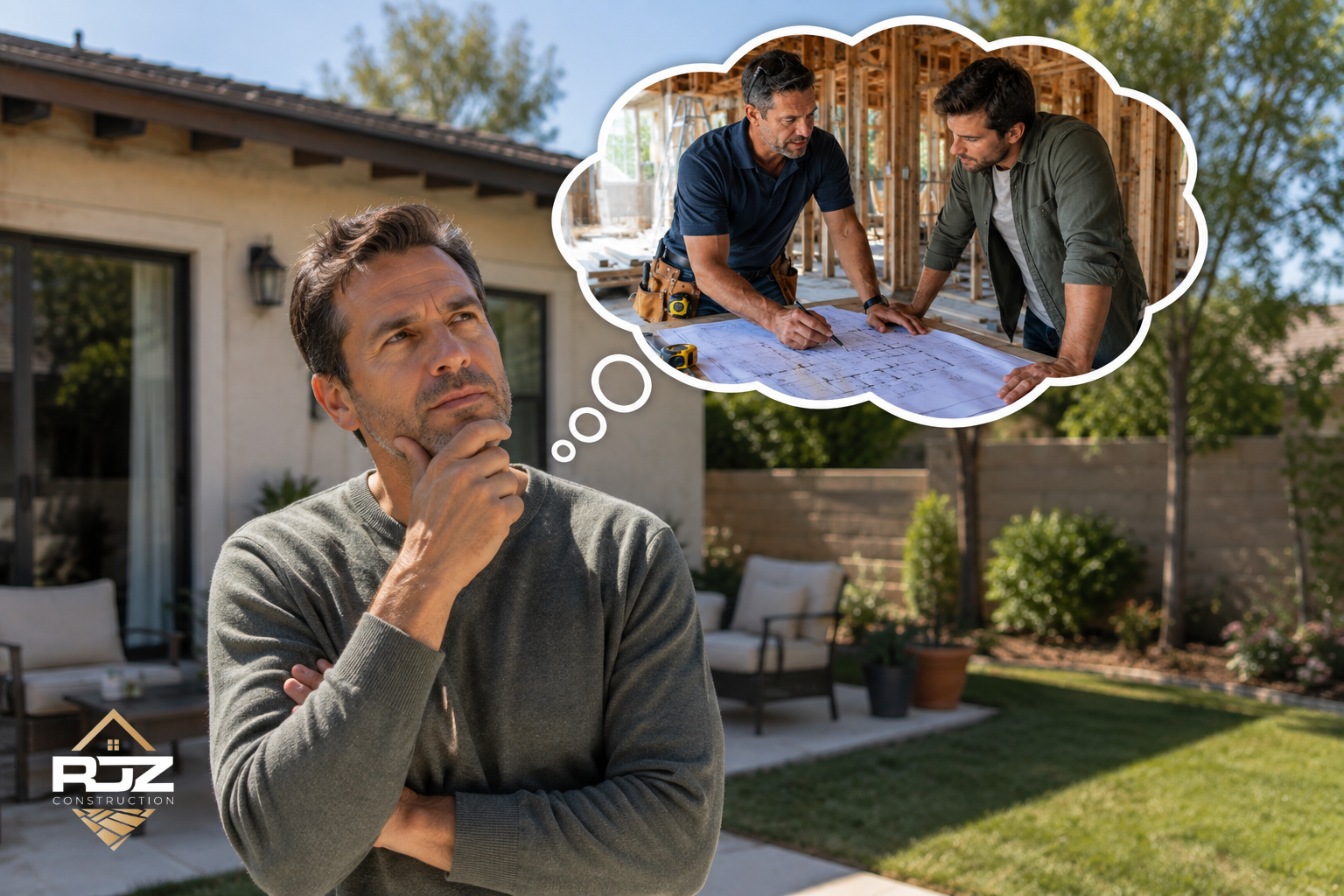
Every successful project starts with a clear purpose. Before diving into materials or costs, ask yourself what problem you're trying to solve. Do you need better drainage, more usable space, safer walkways, improved curb appeal, or a better area for family gatherings? The clearer your answer, the easier it is to make decisions that support your final design.
Starting with a vague idea often leads to unexpected scope changes, budget surprises, and frustration. On the flip side, a clear goal helps you and your contractor prioritize the important stuff. If you want to focus on outdoor living, things like seating walls, lighting, and a patio might be the way to go. If you're dealing with grading or erosion, solutions involving retaining walls and drainage planning might suit your needs better.
Think About Daily Use and Long-Term Value
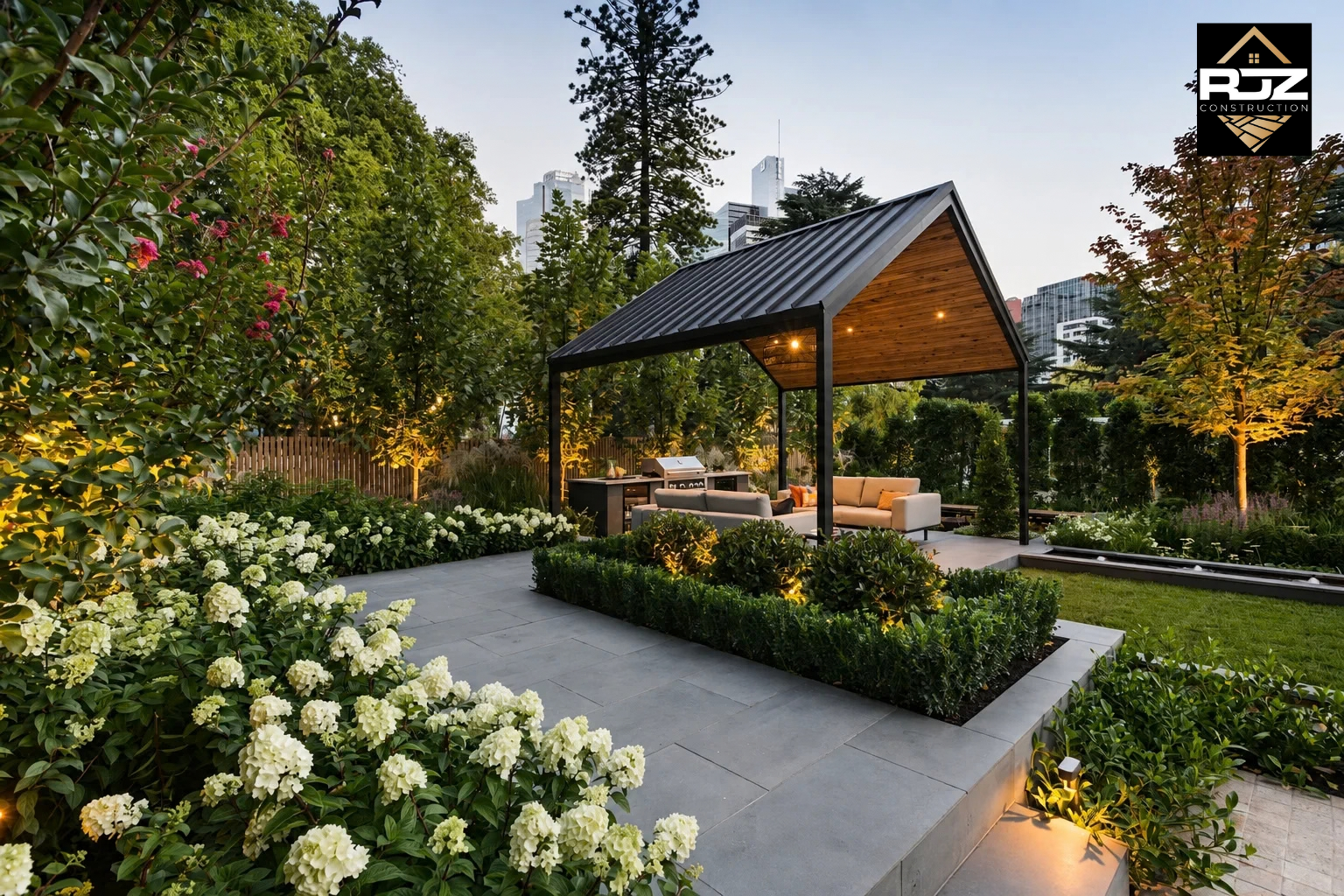
It's easy to get caught up in how things look, but the best outdoor projects are designed for real life. Think about who will use the space, how often, and what kind of upkeep you're willing to do. A backyard for young kids might need open lawns and safe transitions, while a space for entertaining could benefit from a patio, fire feature, and built-in seating.
Research from the National Association of Realtors shows that well-designed outdoor improvements can boost homeowner satisfaction and resale value. So, planning is key. The aim is not just to create something nice to look at, but to build a space that serves you for years to come.
Set a Realistic Budget Before Construction Begins
Understand the Full Cost, Not Just the Obvious Stuff
A common mistake is budgeting only for the main features, like a patio, and forgetting about the other work that makes the project successful. Excavation, base prep, drainage, electrical work, grading, permits, and cleanup all add up. If you have custom structures or multiple materials, your budget should reflect that complexity from the start.
In Chicago, landscape construction costs can vary widely depending on size, site conditions, and finish level. Smaller upgrades might be more budget-friendly, but a full outdoor living space with hardscaping, lighting, and built-in features could require a bigger investment. A smart budget includes not just the ideal scope, but also a buffer for surprises uncovered during installation.
Focus on the Features That Matter Most
If your budget doesn't cover everything, prioritize the parts of the project that will make the biggest impact. Structural elements like patios, driveways, walkways, and retaining walls usually come first. These pieces establish function, shape the space, and often determine the project's long-term success.
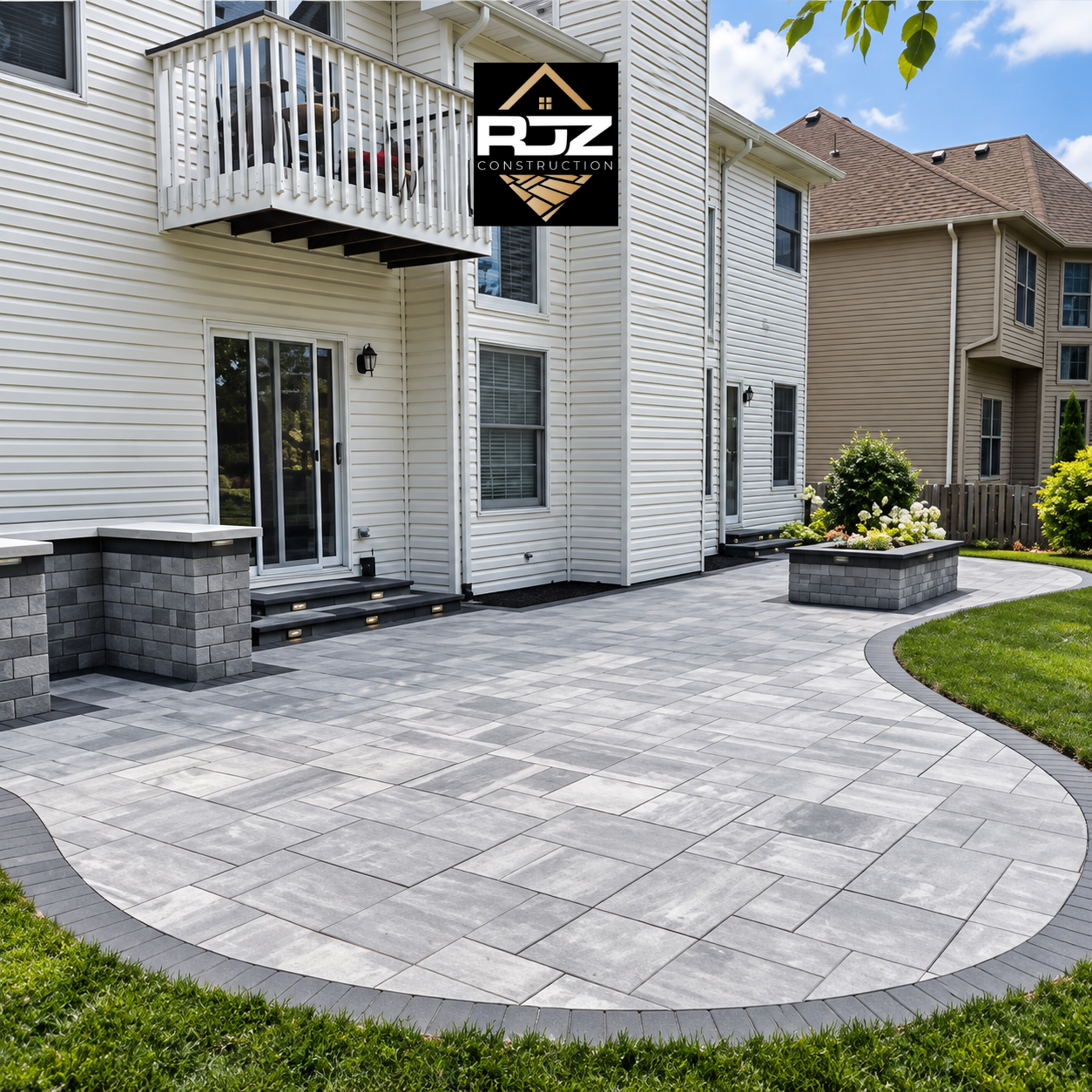
You can also phase projects strategically. Start with grading and hardscape construction, then add plantings, lighting, or a fire feature later. This helps you stay on budget without skimping on overall design quality. If you're curious about project types, our hardscape construction and patio installation pages are great places to start understanding where your money might go.
Consider Chicago’s Climate, Soil, and Seasonal Challenges
Pick Materials That Can Handle Weather Changes
Chicago's weather plays a big role in construction decisions. Freeze-thaw cycles, rain, snow, and heat all affect how outdoor materials perform. Beautiful materials that aren't suited to local weather might crack, shift, discolor, or require more maintenance. That's why it's important to choose products designed for durability in unpredictable Midwestern conditions.
Pavers, reinforced concrete, natural stone, and engineered retaining structures often do better than low-grade alternatives when installed properly. Drainage and base prep matter just as much as the surface material. A well-built system should move water away from vulnerable areas and resist movement during seasonal changes. Consider climate early to avoid expensive repairs later.
Use Plants and Layouts That Fit the Local Environment
It's not just about stone and structure. Plants, soil, and water management play a huge role in how the finished space functions. Native plants, drought-tolerant options, and rain gardens are popular because they cut maintenance and improve stormwater handling. The U.S. Environmental Protection Agency says green infrastructure like permeable paving and rain gardens can help manage runoff sustainably.
These strategies work well in dense urban areas where drainage is tricky. A thoughtful layout lets your property work with the environment, not against it. Sometimes this means opting for permeable materials or strategically placed plant beds instead of expanding impervious surfaces without a plan.
Know Which Permits, Codes, and Approvals Apply
Don't Assume Outdoor Projects Are Exempt
Many folks think permits only apply to major additions or interior renovations, but that's not always true. Depending on the scope, landscape projects may need approvals for grading, drainage changes, retaining walls, electrical features, or structures tied to the home. If the project changes how water moves across your property or affects shared boundaries, additional review might be needed.
Local compliance matters because it protects you and your investment. A project built without the right approvals can lead to delays, fines, or costly redos. Before construction starts, ask your contractor which permits are needed, who will pull them, and what inspection steps might be involved. Clear answers upfront prevent confusion later.
Work with Pros Who Know the Local Rules
Chicago has specific rules around zoning, property lines, drainage, and construction standards, so working with a local team can save time and stress. A contractor familiar with these rules will know how to coordinate the right steps and avoid unnecessary setbacks. This is why many homeowners prefer a design-build approach, where planning and execution stay closely aligned.
If you're comparing outdoor improvements that often involve structural work, our outdoor elements page is a helpful resource for understanding how features like walls, seating, and lighting may fit into a compliant plan. It's always better to ask questions early than to discover a code issue after ordering materials.
Choose the Right Contractor for the Job
Review Experience, Portfolio, and Communication Style
Picking the right contractor is one of the most important decisions in the process. You want a team that gets your vision, explains options clearly, and has a track record of delivering quality results. Start by reviewing project photos, looking for work that matches the style and scale you want, and asking how the team handles design, scheduling, and job-site coordination.
References and reviews matter too, but don't make them your only deciding factor. Ask about similar projects completed in your area, especially if your site has drainage issues, slopes, or space constraints. A good contractor should explain what makes your property unique and how they'd solve potential problems before installation begins.
Ask the Right Questions Before Signing Anything
Before committing, find out who will manage the project, how change orders are handled, what materials are included, and how long the work should take. A detailed contract should define the scope, payment schedule, timeline, warranty information, and expectations for cleanup. It should also identify who is responsible for permits and inspection coordination.
When you choose a contractor, you're not just buying labor. You're investing in process, communication, and craftsmanship. That's especially important for projects combining multiple elements like patios, walkways, and lighting. If you're unsure where to begin, our driveway construction services and outdoor fireplace builds show the level of detail that can go into a complete outdoor upgrade.
Focus on Design, Function, and Material Quality
Good Design Should Guide the Whole Project
Design is more than picking a style. It's about making sure the space flows well, functions as intended, and feels natural to use. A strong design considers how people will move through the yard, where the eye will be drawn, where drainage needs to go, and how different zones connect. Without this foundation, even premium materials can feel disconnected or underused.
That's why landscape design often comes before installation. A professional layout can show how patios, paths, walls, plant beds, and outdoor structures work together before any construction begins. Some homeowners also use 3D design tools or virtual previews to help them understand scale and visual balance before committing to the build.
Invest in Materials That Last
Cheaper materials might seem attractive in the short term, but they often cost more over time because they wear out faster or need frequent repairs. Better-quality pavers, proper base materials, durable masonry, and weather-resistant fixtures usually offer better long-term value. The same goes for fasteners, drainage components, and lighting systems.
The quality of workmanship matters as much as the materials themselves. Even a premium product can fail if base prep, grading, or installation methods are poor. A reliable contractor will explain why certain materials are recommended for your property and how they'll perform over time, especially in a climate like Chicago’s.
Think Beyond Construction: Maintenance Matters Too
Plan for What Happens After the Project Is Finished
Many homeowners get so caught up in the build that they forget about ongoing care. Every outdoor project needs some maintenance, whether that's sealing pavers, cleaning surfaces, pruning plantings, or checking irrigation systems. Planning for maintenance early helps you choose a design that fits your lifestyle.
For instance, if you want low-maintenance, you might benefit from native plantings, durable stonework, and efficient irrigation. Smart irrigation systems are popular because they cut water waste and adjust based on weather. In contrast, a project with lots of turf, water features, or detailed plant beds might need more routine attention.
Consider Seasonal Upkeep and Long-Term Performance
Landscape construction is an investment, and like any investment, it should be protected. Winter prep, spring inspections, drainage checks, and regular cleaning can extend the space's life. Homeowners who budget time for maintenance usually enjoy better results because they catch small issues before they become major problems.
If your project includes custom finishes or built-in features, ask your contractor for maintenance guidelines. Knowing how to care for the space helps preserve its appearance, structure, and safety. This is where well-placed design decisions, like efficient water movement and durable edges, make a noticeable difference over time.
Learn from Real-World Project Examples
A Chicago Rooftop Garden with Year-Round Purpose
One cool example is an urban rooftop transformation where a family turned an underused roof into a functional retreat. The final design included native plantings, seating, a small water feature, and lightweight materials selected to reduce structural stress. The result was a space that improved livability while also supporting urban biodiversity.
This type of project shows why early planning matters. On a rooftop, every detail must work together: structure, drainage, access, and plant selection all influence the outcome. A project like this is a good reminder that landscape construction is about solving practical challenges while also creating something beautiful.
A Sustainable Front Yard Makeover with Lower Maintenance
Another popular example is the homeowner who replaces a traditional lawn with drought-resistant plants, permeable surfaces, and a rain garden. This type of design can cut water use, improve stormwater absorption, and reduce maintenance time. It also gives the property a more modern and intentional appearance.
Projects like these are popular because they combine environmental benefits with everyday convenience. They also show how design choices can influence cost over time. A thoughtful front yard plan may not only save resources but also create a more polished first impression for guests and potential buyers.
Frequently Asked Questions from Homeowners
How Do I Know If I'm Ready to Start?
You're probably ready to begin if you understand your goals, have a realistic budget, and know which features matter most. It also helps to have a general idea of your timeline and whether you want to complete the project in one phase or several. If you're still unsure, a consultation can help clarify the best next step.
What Should Be Included in a Construction Contract?
Your contract should include the scope of work, materials, timeline, payment schedule, warranty details, and any assumptions or exclusions. It should also identify who is handling permits and how changes will be documented. A clear contract reduces misunderstandings and keeps the project on track.
How Can I Stay Within Budget?
To stay on budget, set priorities early, avoid mid-project design changes when possible, and keep a contingency fund for unexpected site conditions. Communication is essential, especially if you want to compare options before making final decisions. A transparent contractor will help you understand where money is being spent and what trade-offs might exist.
What Are the Highest-Value Outdoor Upgrades?
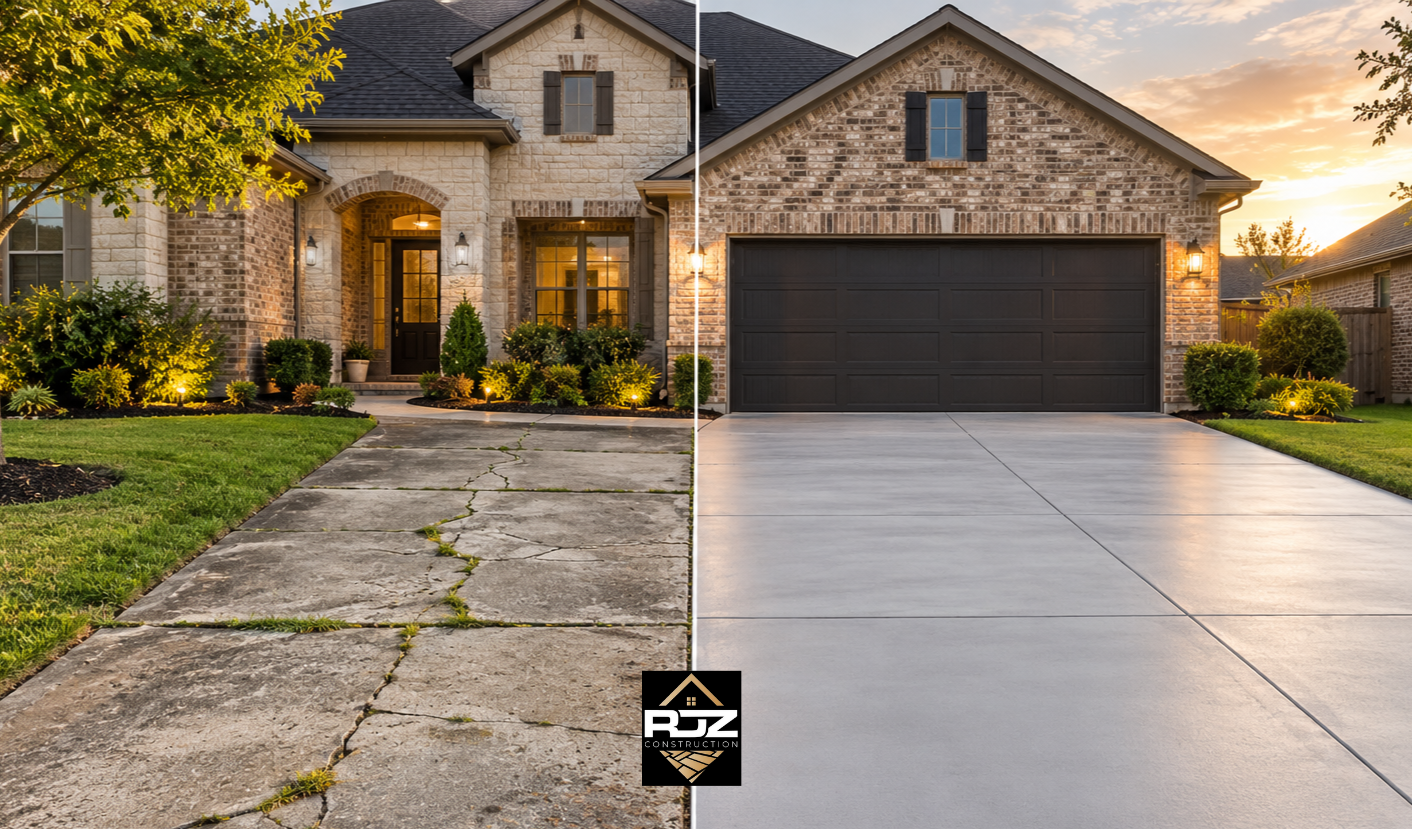
In many cases, patios, retaining walls, walkways, outdoor lighting, and attractive entry areas provide strong returns because they improve both function and appearance. Features that make the home easier to use tend to resonate with future buyers, especially when they are built with quality and consistency. For more ideas, see our article on backyard features that boost home value.
Final Planning Tips Before You Break Ground
Use a Step-by-Step Approach
The most successful homeowners treat the project like a process, not a single purchase. First, define the problem. Next, establish a budget and timeline. Then work through design, materials, permitting, and contractor selection before construction starts. This sequence reduces stress and helps you make better decisions at each stage.
This approach also makes it easier to compare proposals fairly. When every contractor is bidding on the same scope, it becomes much easier to judge value, craftsmanship, and fit. This is especially important for larger projects that may include multiple zones or custom features.
Think About the Project as a Long-Term Investment
Outdoor construction should improve your home for years, not just for the next season. That means choosing durable materials, planning for maintenance, and designing with flexibility in mind. Whether you want a more welcoming entrance, a better backyard for entertaining, or a complete outdoor living environment, the best results come from careful planning and skilled execution.
If you're ready to move forward, our team at RDZ Construction LLC can help you plan a space that feels functional, durable, and built with purpose. Explore our patios, hardscape construction, and full landscape construction services to see how we can bring your ideas to life. Thoughtful planning today can lead to years of enjoyment, stronger property value, and a project you will be proud to share.
To learn more or start a conversation about your property, contact RDZ Construction LLC in Chicago, IL. A well-planned project starts with the right questions, the right team, and a clear vision for what you want your outdoor space to become.