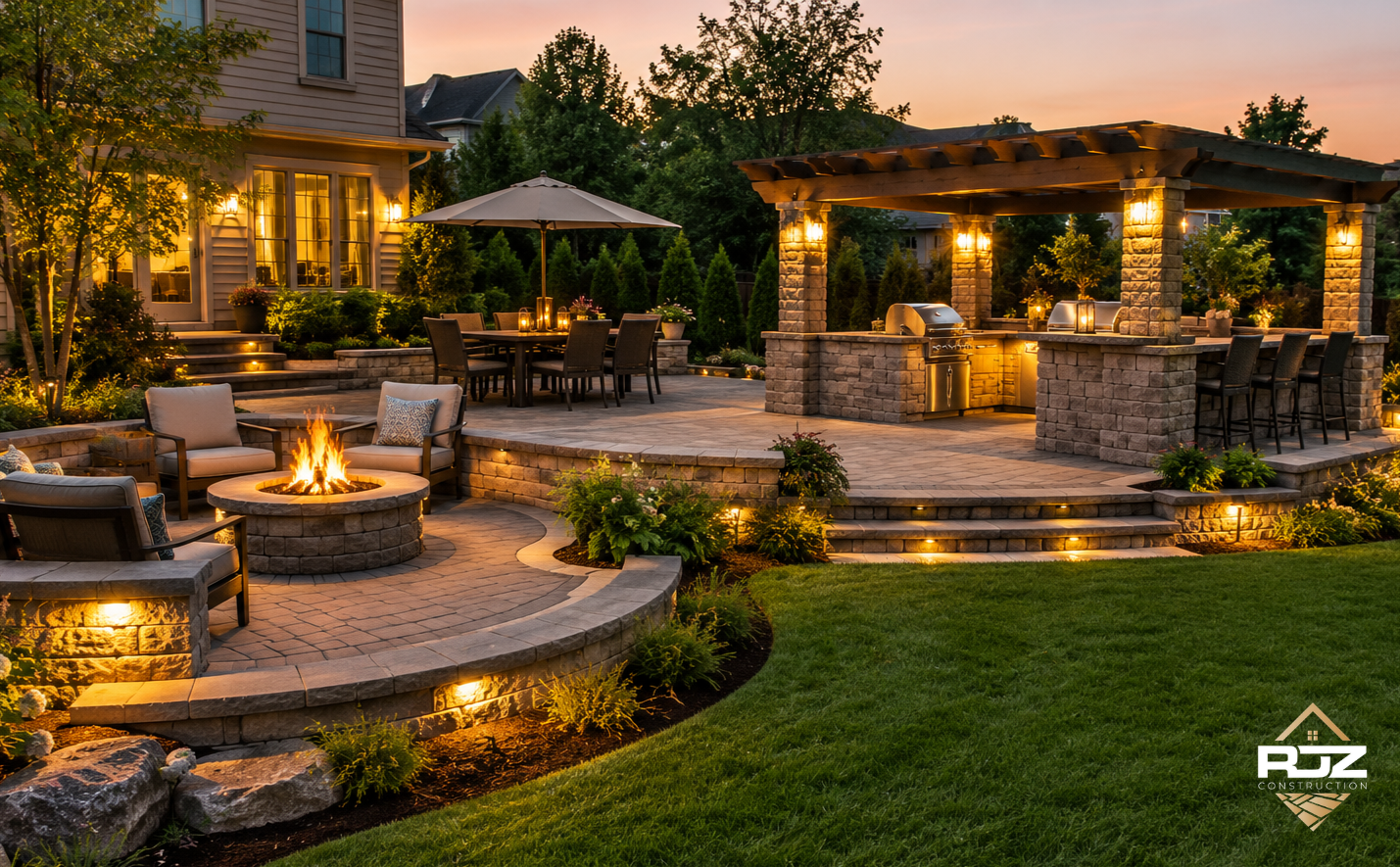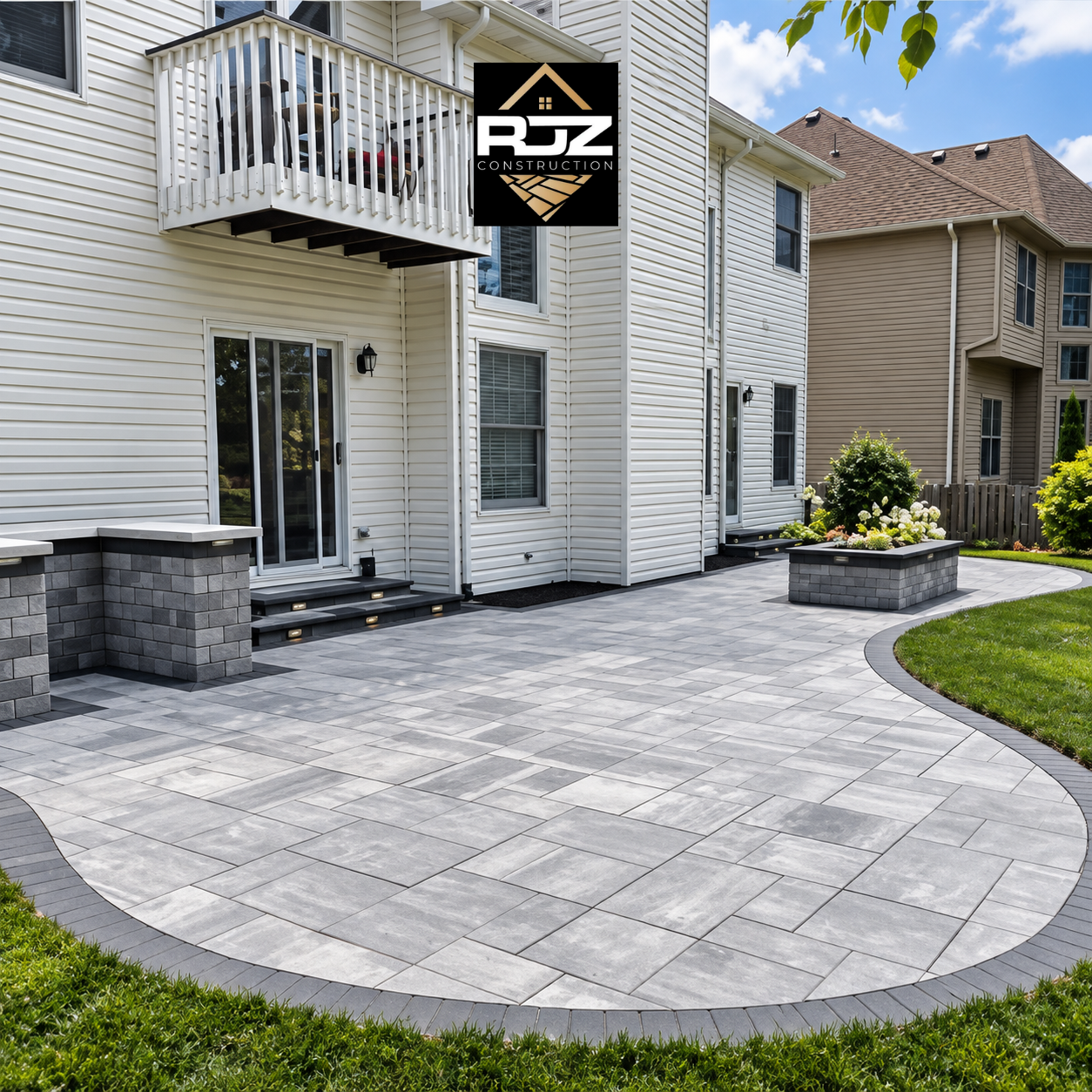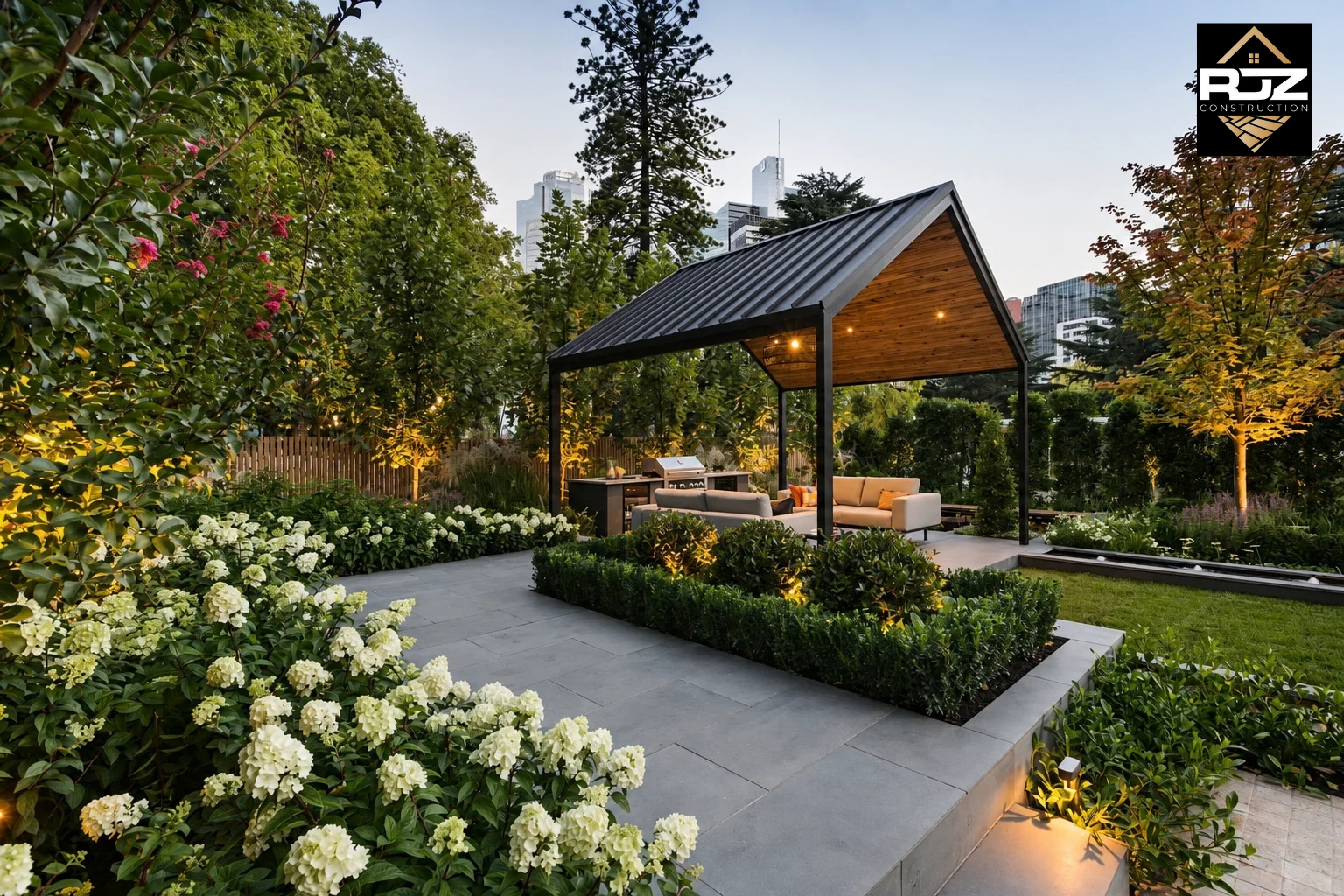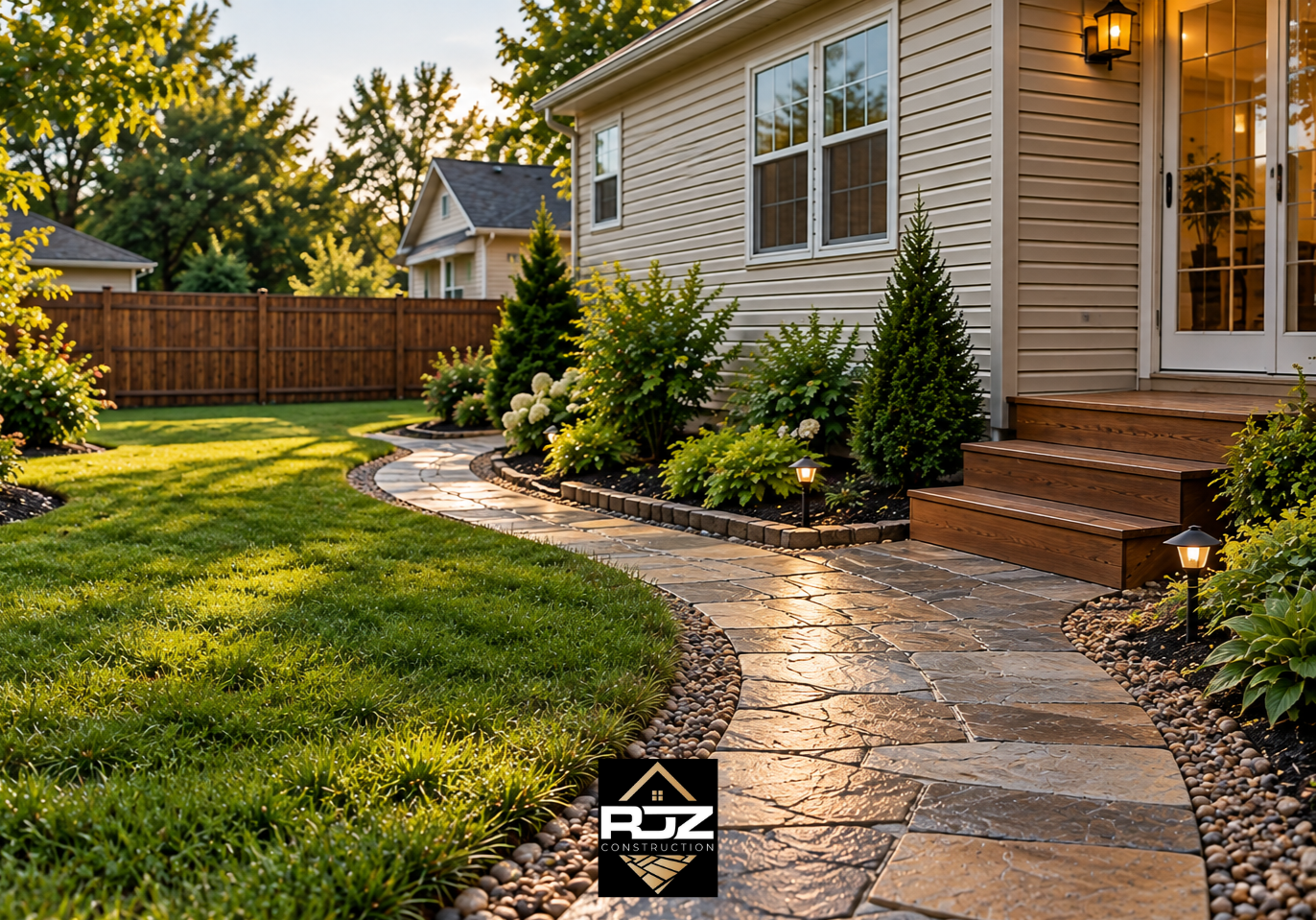
If your yard becomes a muddy mess whenever it rains, you're not alone. Many homeowners deal with soggy side yards, worn paths, and makeshift routes that track dirt into the house, making outdoor movement a hassle. A custom walkway can solve this problem by creating a durable, attractive path that improves access, protects your yard, and makes your property more enjoyable throughout the year.
At RDZ Construction LLC, we design and build outdoor spaces that work in real life, not just on paper. A well-planned walkway can be more than a shortcut between the driveway and the patio; it can improve drainage, define circulation, and give your yard a polished look. If you're considering a bigger upgrade, combining a walkway with landscape construction or even a new patio can transform an awkward yard into a space that feels intentional and easy to use.
According to the U.S. Environmental Protection Agency, managing runoff and reducing compacted, bare soil are important steps in keeping outdoor areas cleaner and more functional. A custom walkway supports both goals by directing foot traffic and helping vulnerable parts of the yard recover. In this guide, you’ll learn why muddy paths happen, what walkway materials work best, and how the right design can change how your outdoor space feels every day.
Why Muddy Yard Paths Happen
Heavy Foot Traffic Wears Down Soil
One big reason yards become muddy is simple: people keep taking the same route across soft ground. When grass can't regrow fast enough, repeated foot traffic creates a compacted strip that holds water, turning into a muddy track after rain or snowmelt. Over time, that path becomes the unofficial route through the yard, even if it was never meant to be.
This issue is common along side yards, dog runs, routes from a garage to a backyard, and shortcuts between outdoor living areas. Once the soil is compacted, water has a harder time soaking in, which means the surface stays wet longer. A custom path built with proper base materials, like one designed through our hardscape construction approach, helps solve that problem instead of covering it up.
Poor Drainage Makes It Worse
If water naturally collects in a low spot, mud is almost guaranteed. Clay-heavy soils, grading issues, downspout discharge, and poor runoff planning can all lead to persistent soggy areas. Even a yard with healthy grass can become slippery and muddy when drainage isn't moving water away efficiently.
This is why walkway design should never be treated as a standalone project. A path that crosses a wet area may need slope correction, edging, or support features like a retaining wall to keep the surrounding grade stable. A good design doesn’t just cover the mud; it addresses the conditions that create it.
Seasonal Weather Exposes Weak Spots
In climates with freeze-thaw cycles, muddy yard problems can get worse quickly. Snowmelt in early spring, summer storms, and autumn rain all expose trouble spots in a landscape. What feels manageable part of the year can become a daily annoyance during wet seasons.
That's why homeowners should think beyond temporary fixes like stepping stones placed directly on soil or straw patches over dead grass. Those options may work briefly, but they rarely offer lasting performance. A properly built walkway provides consistent access in changing weather and reduces the amount of maintenance your yard requires.
How a Custom Walkway Improves Daily Life
Cleaner Access to Every Part of the Yard
The most obvious benefit of a custom walkway is cleaner footing. Instead of stepping through wet grass or puddles, you have a dedicated path that keeps shoes cleaner and makes outdoor movement easier for kids, guests, and pets. This small improvement can significantly impact how often you use the backyard.
Walkways also improve access to areas that often get overlooked, like trash enclosure routes, side entrances, garden beds, and utility spaces. When movement is easier, outdoor routines become smoother. A practical path may seem simple, but it creates a major upgrade in comfort and convenience.
Better Curb Appeal and Property Value
A walkway can also change how the entire property looks from the street. Strong lines, quality materials, and a clean layout create a more finished appearance that makes a home look well-cared for. First impressions count, whether for visitors or potential buyers.
For those thinking about long-term value, walkways are one of the outdoor features that can deliver both visual and functional benefits. They coordinate well with front entry updates, planting beds, and driveways, creating a more complete exterior presentation. If you want the front of the house to feel more welcoming, a custom path can be a smart investment.
Safer Movement in Wet or Icy Conditions
Mud isn't just inconvenient; it can be slippery and unsafe. A walkway gives people a firmer surface to walk on during rain, snow, or early morning dew. That added stability matters for households with young children, older adults, or frequent guests.
Safety becomes even more important when the path leads to a frequently used entrance or connects to outdoor features like a fire area, patio, or side gate. In these spaces, traction, width, and lighting all matter. A well-designed path lowers the chance of slips while making the yard easier to navigate in every season.
Choosing the Right Walkway Material
Pavers for Flexibility and Style
Pavers are one of the most versatile walkway materials because they come in many colors, patterns, and shapes. They're a strong choice for homeowners who want a custom look that blends with the home’s architecture. Pavers can also be easier to repair than a continuous poured surface because individual units can be replaced if needed.
For many properties, pavers are the best option when the goal is a walkway that feels both durable and polished. They work especially well when paired with a nearby outdoor elements design, like seating walls, planter borders, or landscape lighting. The result is a pathway that feels like part of the overall outdoor plan rather than a standalone addition.
Natural Stone for a Timeless Look
Natural stone walkways offer a classic, high-end appearance that works well in many settings. Stone gives a project texture, character, and a more organic feel, especially when paired with lush planting beds or a traditional home exterior. It's often chosen for homeowners who want a refined yet natural look.
That said, stone selection and installation require careful planning. Thickness, base preparation, and joint stability all play major roles in longevity. When installed correctly, stone can be both beautiful and practical, but it should always match the site conditions and the level of daily use the path will receive.
Concrete and Hybrid Approaches
Concrete can be a good choice when the priority is straightforward function and lower upfront complexity. It can be shaped into clean modern lines, stained for visual interest, or combined with other materials for a hybrid design. In some yards, a well-detailed concrete path may be exactly what the layout needs.
However, the material alone doesn't determine quality. Base preparation, drainage, and edge support matter just as much as the surface itself. The U.S. Department of Agriculture’s Natural Resources Conservation Service offers helpful information about soil behavior and water movement, both of which influence how outdoor surfaces perform over time. A good installer considers all of these factors before the first material is placed.
Smart Design Ideas for Better Walkways
Plan the Path Around How People Move
The best walkways are designed from habit, not guesswork. A path should follow the most natural route between doors, patios, garages, gates, and destination points in the yard. When a walkway mirrors real movement patterns, it feels intuitive and gets used the way it should.
This is where professional planning matters. Through thoughtful landscape design, it becomes easier to identify the shortest useful route, the most attractive layout, and any drainage or slope concerns that need to be addressed before construction begins. A smart plan can save money and avoid awkward shapes that do not truly solve the problem.
Use Curves When They Improve the Layout
Curved walkways can soften the look of a yard and create a more natural flow. They are especially useful when a direct line would cut across an important lawn area, tree root zone, or planting bed. A gentle curve can also make a smaller yard feel more spacious and layered.
That said, curves should be intentional. A winding path only works if it still feels efficient and supports the way the yard is used. The goal is not to make the path more dramatic; it is to make the space easier and more pleasant to move through.
Think About Width, Lighting, and Borders
Walkway width is often overlooked, but it matters a great deal. A narrow path may be fine for a side yard, while a wider route might be better for the main approach to a backyard or patio. If two people will walk side by side or carry items along the path, extra width can make daily use much easier.
Lighting and edging also play important roles. Low-voltage lighting improves visibility after sunset, while defined borders keep the walkway looking crisp and help prevent surrounding soil or mulch from spilling onto the surface. These details may seem small, but they help a walkway stay functional and polished over time.
When a Walkway Should Be Part of a Larger Outdoor Project
Combine Pathways with Patios and Gathering Spaces
Many homeowners discover that a walkway works best when it connects multiple outdoor destinations. A path from the side yard to a patio, grilling zone, or garden area can make the entire property feel more organized. Instead of stepping through wet grass, guests can move easily between spaces that are intentionally linked.
That's why walkways are often designed alongside patios and other hardscape features. When these elements are planned together, the yard functions as a connected outdoor environment rather than a series of isolated sections. This approach can make even modest spaces feel more complete and comfortable.
Add Structure with Retaining Walls and Grade Changes
In sloped or uneven yards, a walkway often needs structural support. Retaining walls can help control grade, create level transitions, and protect the path from shifting soil. Without that support, a walkway may settle unevenly or collect water along its edges.
According to the National Park Service, nature-based and site-responsive solutions often improve performance by working with natural conditions instead of forcing them. That same principle applies to residential hardscaping. When a path is built to match the land, it has a better chance of lasting and performing well.
Create a More Complete Backyard Experience
Walkways also pair well with finishing features like seating walls, outdoor lighting, fire features, and planters. These details don't just improve appearance; they help define how the space is used. A path that leads somewhere meaningful makes the yard feel planned, not accidental.
If your outdoor goals include entertaining, relaxation, or more everyday use, the walkway may be one piece of a larger transformation. A full hardscape plan can bring together circulation, comfort, and visual balance in a way that a patchwork of isolated repairs never could.
What the Walkway Construction Process Usually Looks Like
Site Evaluation and Planning
Every successful walkway begins with a site review. This stage includes checking slope, drainage, soil conditions, existing access points, and the way the yard is currently being used. It also gives the design team a chance to spot potential issues before they become expensive mistakes.
During planning, the contractor may recommend a different route, a wider section, or support features that improve long-term performance. Homeowners often appreciate this step because it turns a vague idea into a practical plan. Good planning creates fewer surprises and usually leads to better results.
Excavation and Base Preparation
The base is one of the most important parts of any walkway. Soil is removed to the proper depth, the grade is adjusted, and the sub-base is compacted to create a stable foundation. If this stage is rushed, the walkway may shift, sink, or retain water later on.
A reliable base supports both appearance and durability. Even a beautiful surface will fail early if the foundation beneath it is weak. That is why professional installation matters so much; the work you do not see often determines how well the finished product performs.
Surface Installation and Finishing Touches
Once the base is ready, the chosen material is installed and aligned carefully. Edges are secured, joints are filled if needed, and the surface is finished to match the surrounding landscape. This is also when final adjustments are made for slope, flow, and appearance.
Finishing details matter because they determine how the path feels to use. Clean borders, even transitions, and thoughtful integration with nearby landscaping create a more seamless result. These touches are what separate a basic path from a custom walkway that truly improves the yard.
Maintenance Tips to Keep Your Walkway Looking Good
Keep the Surface Clean and Clear
Routine cleaning helps a walkway stay attractive and safe. Leaves, soil, and mulch should be swept off regularly so they don't stain or create slippery buildup. For some materials, occasional rinsing or light washing may also be helpful.
This kind of maintenance is usually simple, but it makes a big difference. A clean walkway reinforces the feeling that the yard is cared for, and it helps the surface last longer by reducing buildup around the joints and edges. Small habits often protect a major investment.
Watch for Drainage Issues Early
If you notice standing water, shifting stones, or soft areas near the path, don't ignore them. These can be early signs that water isn't moving properly around the walkway. Catching the issue early usually means a simpler repair and less damage to surrounding landscape features.
Drainage concerns are one of the reasons homeowners should think of a walkway as part of the larger property system. When water management is handled well, everything around it tends to perform better. If you're planning a larger improvement, it's smart to discuss runoff and grading at the same time as your path project.
Schedule Seasonal Inspections
After winter or heavy storm seasons, it's wise to inspect the path for movement, settling, or edge wear. Freeze-thaw cycles can expose weak points, especially if the original construction wasn't thorough. A seasonal check helps protect your investment and keeps the walkway ready for everyday use.
For homeowners in colder regions, this habit can be especially useful. It allows small concerns to be corrected before they grow into more costly repairs. A walkway should make life easier, not create another recurring problem to manage.
Frequently Asked Questions About Custom Walkways
How Wide Should a Walkway Be?
The ideal width depends on how the path will be used. A side-yard access route may be narrower, while a primary walkway to a patio or backyard gathering space should usually be wide enough for comfortable two-way traffic. A professional designer can help match the width to the purpose.
What Material Lasts the Longest?
There is no single answer because durability depends on installation quality, drainage, and maintenance. Pavers and natural stone are often chosen for their long-term performance, while concrete can also perform well when properly built. The best choice is the one that fits the property and is installed correctly.
Can a Walkway Fix a Muddy Yard by Itself?
A walkway can solve the traffic problem, but it may not fix the underlying drainage issue on its own. If water is pooling or soil is staying saturated, grading or other landscape improvements may also be needed. A complete plan usually delivers the best outcome.
Is This a Good Project for Resale Value?
Yes, because walkways improve usability and exterior presentation at the same time. Buyers tend to respond well to outdoor spaces that look organized and are easy to navigate. A custom walkway is one of those upgrades that can make a home feel better without being overly flashy.
Conclusion: Replace the Mud With a Path That Works
If you're tired of walking through mud every time you try to get around your yard, a custom walkway can make a major difference. It improves access, keeps outdoor spaces cleaner, adds safety, and gives your yard a more finished look. More importantly, it changes how you use your property every day.
The best walkway projects are designed around how your home actually functions. That means considering drainage, traffic patterns, material choices, and how the path fits with the rest of the yard. When all of those details come together, the result is more than a walkway; it's a practical improvement that makes the whole yard more enjoyable.
If you're ready to stop dealing with muddy shortcuts and want a walkway that is built to last, RDZ Construction LLC can help. Explore our landscape construction services, review your options for hardscape construction, or get in touch to start planning a cleaner, more functional outdoor space today. A better path through your yard is closer than you think.
To learn more about our work or discuss your project, visit RDZ Construction LLC or call (773) 412-3149. We help homeowners create outdoor spaces that are attractive, durable, and built for everyday life.