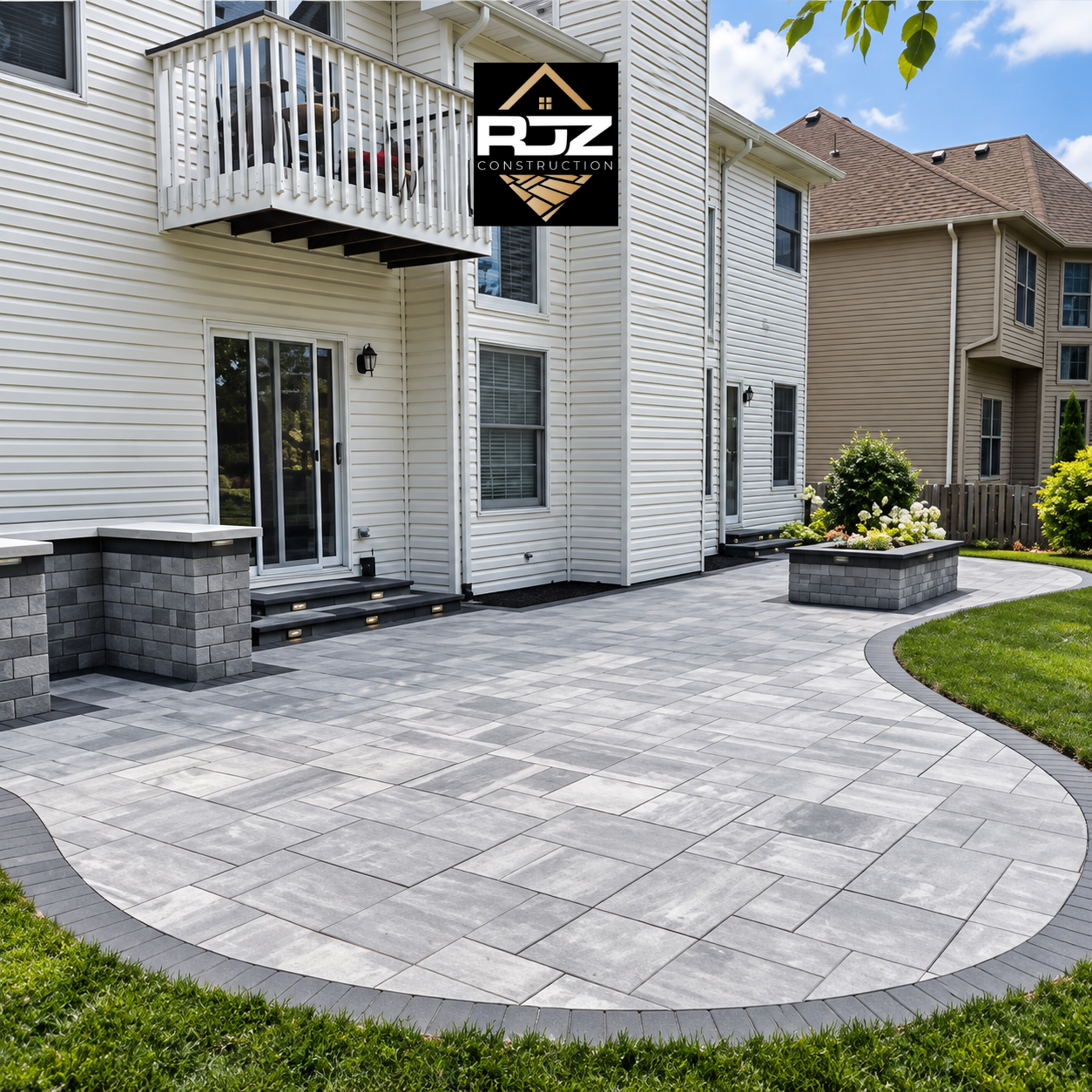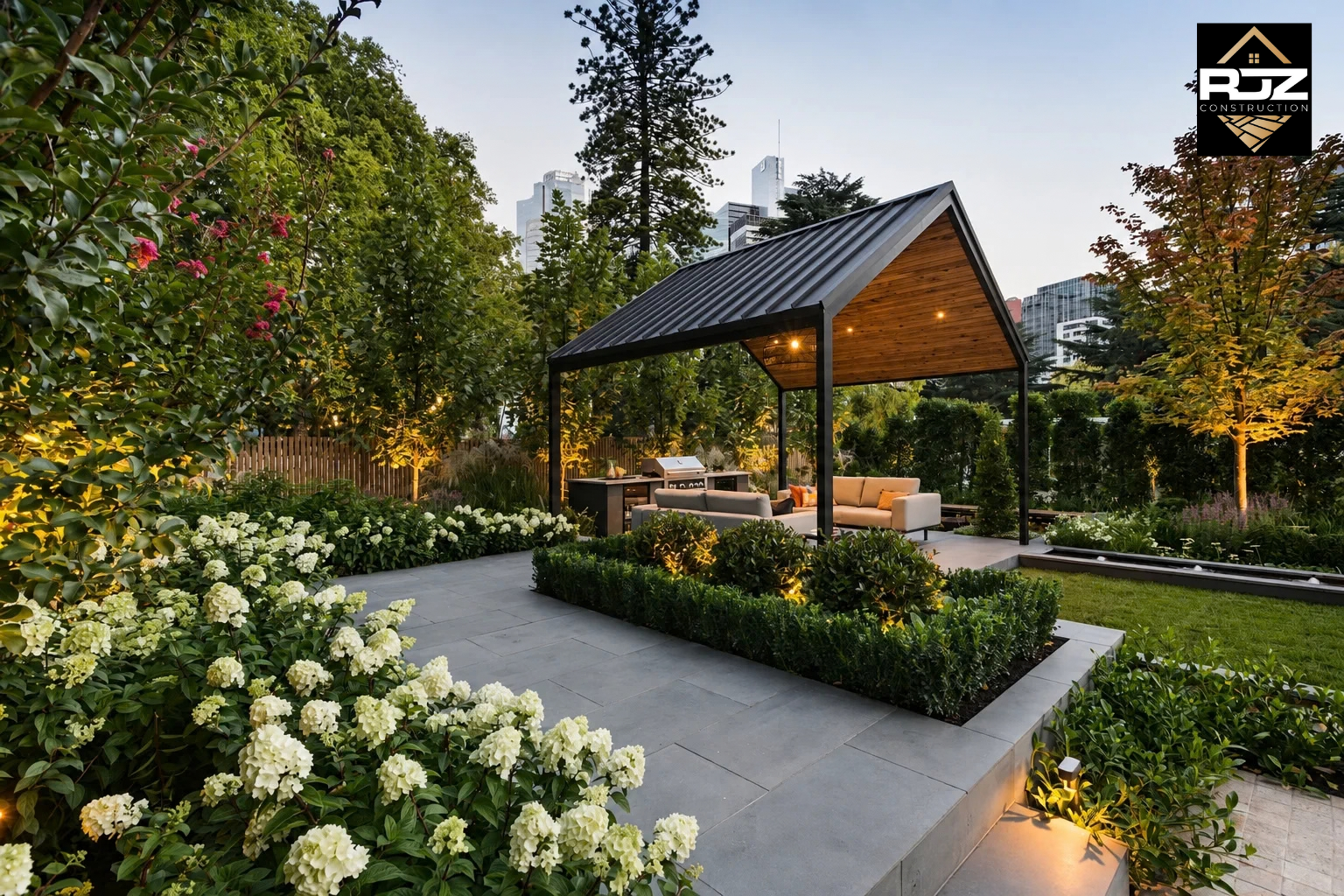
Hardscaping isn't just about making your yard look nice. When done right, it adds structure, helps with drainage, and makes your outdoor space easier to use day-to-day. For homeowners wanting more out of their property, hardscaping can turn an ordinary yard into a functional extension of your home.
At RDZ Construction LLC, we focus on both style and practicality. A well-crafted patio, walkway, or seating area can change how your family gathers and moves around your home. If you're thinking about a redesign, our landscape design services can help plan the layout, and our hardscape construction work makes it a reality with solid materials and craftsmanship.
This guide will show you how hardscaping makes your outdoor space more functional, what features matter most, and how smart design choices can add long-term value. You’ll also see how hardscape elements work with plants, lighting, and grading to create a space that’s easy to use and maintain.
What Hardscaping Really Means
Hardscape features are the backbone of a yard.
Hardscaping includes the non-living parts of an outdoor space, like patios, paths, retaining walls, and seating areas. These elements shape how you move through your yard and how different areas serve different purposes. Without them, even the nicest landscaping can feel unfinished.
The key point here is that hardscaping creates order. A yard with clear edges and defined zones feels more put-together. That’s why homeowners often start with essential features like custom patios and retaining walls before adding the final touches.
Function is just as important as appearance.
While many people think of hardscaping as decorative, its true strength is in function. A patio provides a place to eat outside. A path keeps foot traffic off the grass. A retaining wall manages a slope and helps prevent erosion. Each piece solves a problem while also enhancing the property's look.
Good hardscape design also prioritizes safety and durability. In climates with freeze-thaw cycles, surfaces that aren’t installed properly can shift, crack, or collect water in the wrong places. According to the U.S. Environmental Protection Agency, smart drainage and permeable designs can reduce runoff and manage stormwater more effectively, a big plus in urban and suburban settings.
How Hardscaping Improves Daily Use
It creates usable outdoor rooms.
Hardscaping can transform open yard space into usable rooms. Instead of one big, undefined area, you can create distinct zones for dining, relaxing, or gathering around a fire. This makes the space easier to enjoy and furnish.
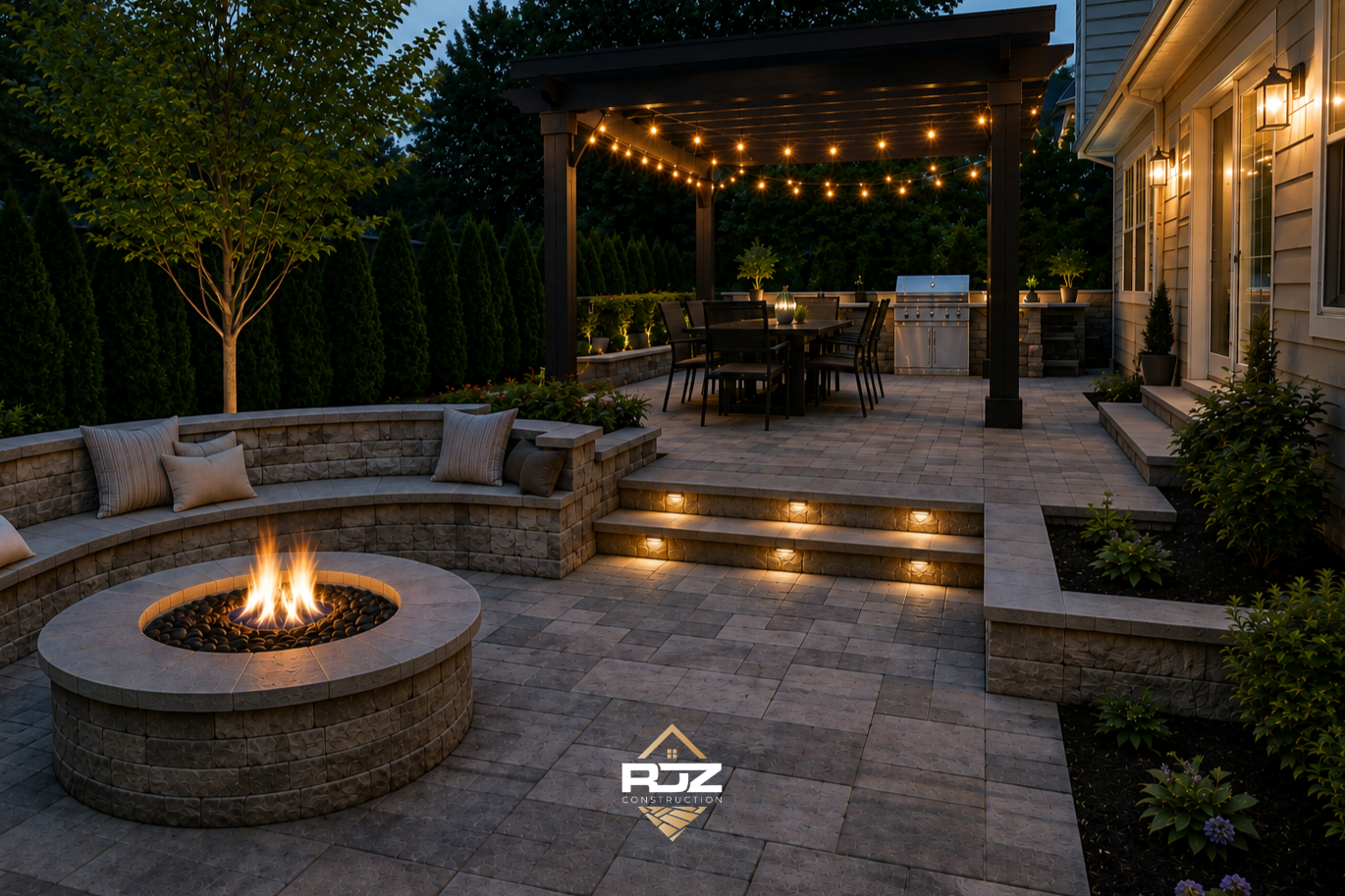
Let's say a family uses a patio for meals, a seating wall for casual chats, and a fire feature for evening hangouts. When designed together, the backyard becomes an extension of the home rather than just a patch of grass. If you're planning a bigger property upgrade, our landscape construction team can coordinate all these elements into one cohesive build.
It improves traffic flow and access.
Walkways and steps make it easier to move safely between outdoor areas. This is crucial when your yard has grade changes, garden beds, or multi-use sections. A well-thought-out path layout keeps people from cutting across muddy spots and helps maintain a cleaner space over time.
This means guests know where to walk, homeowners can move supplies easily, and outdoor features are connected logically. Well-placed access points also tie the backyard to side yards, garages, and front entry areas. Even small changes can greatly improve convenience when designed with daily habits in mind.
It reduces maintenance in high-traffic areas.
Grass and soft surfaces wear down quickly in high-use spots. By replacing these areas with pavers or stone, you reduce bare spots, mud tracking, and the need for constant patching. This makes the yard easier to maintain and keeps it looking better throughout the season.
While hard surfaces do require care, it’s usually more predictable than repairing turf. Sweeping, rinsing, and occasional sealing can go a long way. For those wanting a long-lasting solution, the goal is not to eliminate all maintenance but to make the right parts of the yard easier to manage.
The Most Functional Hardscape Features
Patios for living, dining, and relaxing
Patios are often the centerpiece of outdoor functionality. They provide a stable, level gathering spot. They can be small for intimate seating or wide enough for dining and entertaining. The right patio layout depends on how you’ll use it, not just how it looks in photos.
Material choice is important too. Pavers, natural stone, and poured concrete each have benefits, but the best option supports the homeowner’s goals and site conditions. A well-built patio often becomes the most used part of the property because it feels comfortable and easy to furnish.
Retaining walls for grade control and structure
Retaining walls do more than just hold back soil. They shape slopes and create usable flat areas. A yard with a steep grade gains much more usable space once a wall creates a level section for a patio or garden.
These walls help control erosion and can improve drainage when designed right. In areas prone to water collection, the wall must be engineered with the right base and drainage. For more on soil stability and erosion, the Natural Resources Conservation Service offers educational resources on land and water management.
Walkways and driveways for better movement
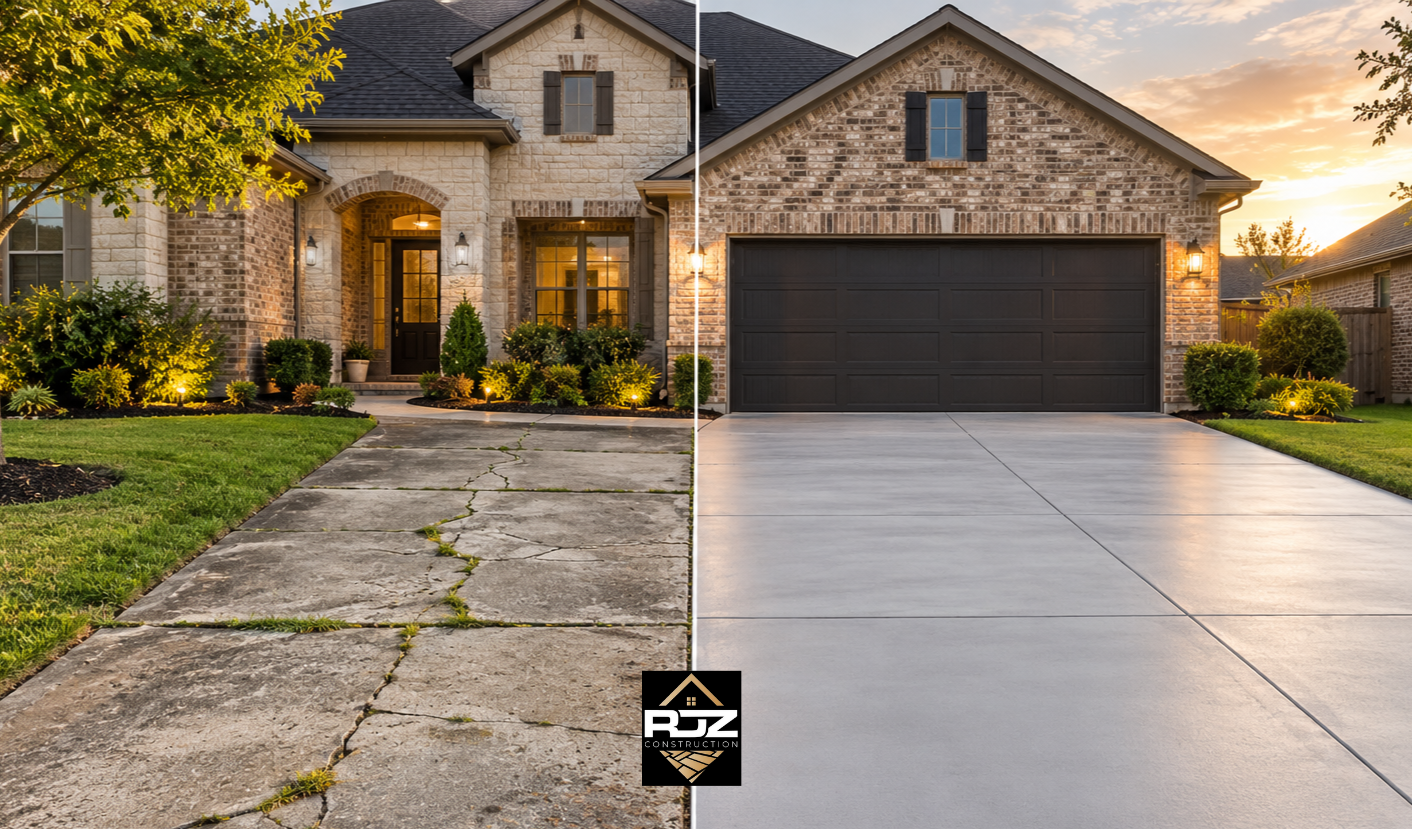
Walkways connect the most-used parts of a property, while driveways improve access and curb appeal. Together, they enhance daily function that homeowners notice right away. A smooth driveway and direct walkway make arriving and departing easier, helping the property feel complete.
Driveways also impact the first impression of a home. A cracked or too-narrow driveway creates frustration and reduces visual appeal. Our driveway construction work is designed to improve both access and appearance, making the entire property feel more organized and inviting.
How Design Choices Shape Functionality
Layout should follow the way people live.
The best hardscape projects start with lifestyle, not materials. A homeowner who entertains often may need a large patio and multiple seating areas. A family with kids may need open circulation and safe edges. Someone who enjoys quiet evenings might want a smaller, more private area with a fireplace and subtle lighting.
Designing around actual use helps avoid wasted space and makes the project feel more personal and useful right away. This is where thoughtful outdoor elements like lighting and seating walls add value by supporting the space's function instead of competing with it.
Material selection affects durability and comfort.
Materials influence not just how things look, but also traction, heat retention, upkeep, and lifespan. A smooth stone may feel elegant, but it should still offer good footing. A lighter surface may stay cooler in the summer, while a textured finish might perform better in wet conditions.
Durability matters because hardscape features face weather, foot traffic, and seasonal changes daily. According to the National Association of Home Builders, outdoor living spaces remain popular because they combine enjoyment with resale value when built correctly. Strong material selection should always be part of the planning process.
Drainage must be built into the plan.
A beautiful surface isn't functional if water pools on it or flows toward the house. Drainage planning should be part of every hardscape project from the start. It might include slope adjustments, drains, or permeable sections depending on the site.
Poor drainage is a common reason outdoor features fail early. Water can undermine pavers and wash out base materials. That's why proper design and installation are as important as the visible finish. A functional outdoor space handles weather well and stays usable even after storms.
Why Hardscaping Adds Long-Term Value
It increases usable square footage.
Outdoor space becomes valuable when it’s usable. Hardscaping effectively expands your home’s livable area by creating settings for dining, relaxing, and gathering. Even if it’s outside, the value often feels like adding another room.
This is especially true in smaller neighborhoods. A well-designed patio can make a small yard feel much larger because every inch has a purpose. That efficiency is why homeowners see strong returns from thoughtful outdoor construction.
It improves curb appeal and perceived quality.
Strong hardscape work is immediately noticeable as it signals care and planning. A finished front entry, clean driveway, or structured walkway can make a property look more maintained before you even step inside. That visual impact influences both guest impressions and buyer interest.
If you want to boost curb appeal, features like a refined entry path or a low retaining wall can make a big difference. These upgrades aren’t just decorative; they help the home feel more complete and intentional.
It supports future outdoor upgrades.
Hardscaping often lays the groundwork for future improvements. Once a patio or wall is in place, adding lighting, fire features, or even outdoor cooking spaces is easier. This means one project can create a base for several later phases.
This approach is helpful for homeowners wanting to invest strategically over time. Instead of doing everything at once, start with the most important structural elements and build outward from there. A strong foundation saves time and reduces the chance of needing to rework the layout later.
Planning a Functional Hardscape Project the Right Way
Start with goals and pain points.
Before picking materials, identify the biggest issues in your current yard. Is it hard to use because it slopes too much? Does it lack seating? Is there nowhere dry to gather after rain? Clear goals make the project easier to design and more satisfying when done.
A good plan should also consider how the yard will be used in different seasons. A summer-friendly patio might need wind protection or a fire feature for cooler months. If you want a full outdoor transformation, our fireplace service can add warmth and a natural gathering point for cooler seasons.
Think in zones, not isolated features.
Functional outdoor spaces work best when each part supports the others. For instance, a patio should connect naturally to a walkway, which may lead to a seating wall. When these pieces are linked, the yard feels easier to navigate and enjoy.
This zoning approach is also useful with different elevations or property boundaries. A retaining wall can define one section, while a hardscaped path opens access to another. Good planning makes the whole property feel more coherent.
Use experienced builders for structural work.
Hardscaping might seem simple from the outside, but the hidden work determines long-term performance. Base depth, compaction, and drainage all affect how long the project lasts. If these details are skipped, even expensive materials can fail early.
Professional installation matters because experience helps prevent settlement, shifting, and water issues that are hard to fix later. Homeowners investing in outdoor construction should prioritize craftsmanship and technical skills, not just visual inspiration.
Examples of Hardscaping That Solve Real Problems
Turning a sloped yard into a usable entertaining space
One common hardscaping challenge is a steep or uneven backyard. On its own, that kind of yard is tough to furnish or navigate safely. By using retaining walls and grade adjustments, you can convert it into a level area for a patio and seating.
This changes how the property is used daily. A family that once avoided the yard can start hosting dinners or enjoy quiet evenings outside. The structure created by the hardscape gives the space purpose, and the purpose gives it value.
Replacing a worn path with a cleaner entry route
Another issue is a side yard or front path that becomes muddy or uneven after rain. Replacing it with a properly installed walkway makes access safer and more attractive. It also keeps dirt from being tracked indoors and reduces lawn wear.
Small projects like this deliver big benefits because they improve daily routines. People use the front entry constantly, so even a modest upgrade can make the property feel significantly more refined. That’s why walkways are among the most practical hardscape investments.
Adding outdoor gathering zones for year-round use
Some homeowners want a space that works beyond the warm months. In those cases, a patio with lighting, a fire feature, and sheltered seating can extend usability into cooler seasons. This makes the outdoor area more flexible and enjoyable year-round.
According to research from the Iowa State University Extension, outdoor spaces planned with function and comfort in mind are more likely to be used regularly. That matches what many homeowners experience: spaces with clear purposes are the ones they enjoy most.
Frequently Asked Questions About Functional Hardscaping
What is the most useful hardscape feature to start with?
For many, a patio is the best starting point because it creates a true outdoor living area. From there, add walkways and lighting to improve flow. If the yard has slope issues, a retaining wall might be the first step.
How do I know if my yard needs hardscaping?
If your outdoor space feels hard to use, lacks clear pathways, has drainage problems, or doesn’t support the activities you want, hardscaping might be the answer. The best projects usually solve a practical issue while also improving appearance. A consultation with an experienced contractor can help identify the most effective starting point.
Can hardscaping work in a small yard?
Yes. Smaller yards often benefit the most because every square foot matters. A compact patio or walkway can make a small space feel organized and functional without overcrowding it. Smart design choices are more important than size.
How long should hardscape features last?
When installed correctly, with proper base preparation and drainage, hardscape features can last for many years. The exact lifespan depends on materials, usage, climate, and maintenance. Routine care and timely repairs help protect the investment.
Build a Space That Works Every Day
Function should guide every outdoor decision.
A beautiful yard is rewarding, but a functional yard is the one you use most. That’s the real value of hardscaping: it gives your property structure, purpose, and daily convenience. When patios, walls, and walkways are planned together, they create an outdoor space that feels natural to live in.
If you’re ready to improve your property with a smarter layout and more durable features, now is the time to plan carefully. The right mix of design and construction can transform how your outdoor space looks and works for years.
Partner with a team that understands design and construction
RDZ Construction LLC helps homeowners create outdoor spaces that are both attractive and practical. From landscape construction and patios to walls and driveways, our work focuses on long-term value and everyday use. We build with precision, durability, and a clear understanding of how people actually live outside.
To learn more about transforming your yard into a more functional outdoor space, visit RDZ Construction LLC or explore our services to see what best fits your goals. A well-designed hardscape does more than improve a property; it improves how you enjoy it every single day.